
The complete guide
How To Choose A Camping Cookware Set That Actually Gets Used
The problem with camp cooking
Most people do not give up on camp cooking because they cannot cook. They give up because the gear makes it miserable. One saucepan borrowed from the kitchen, a wobbly handle that gets too hot to hold, a pan that burns eggs onto the base, and a washing-up session in cold water that takes longer than the meal did. After a couple of trips like that, everyone defaults to instant noodles and cereal bars.
The fix is not more gear. It is the right small set. A proper camping cookware set gives you two pot sizes, a pan or two, something to eat from, and a way to pack it all into one shape that fits your bag. Once you have that, cooking outside stops being a chore and starts being one of the nicer parts of the trip.
What this set is and how it works
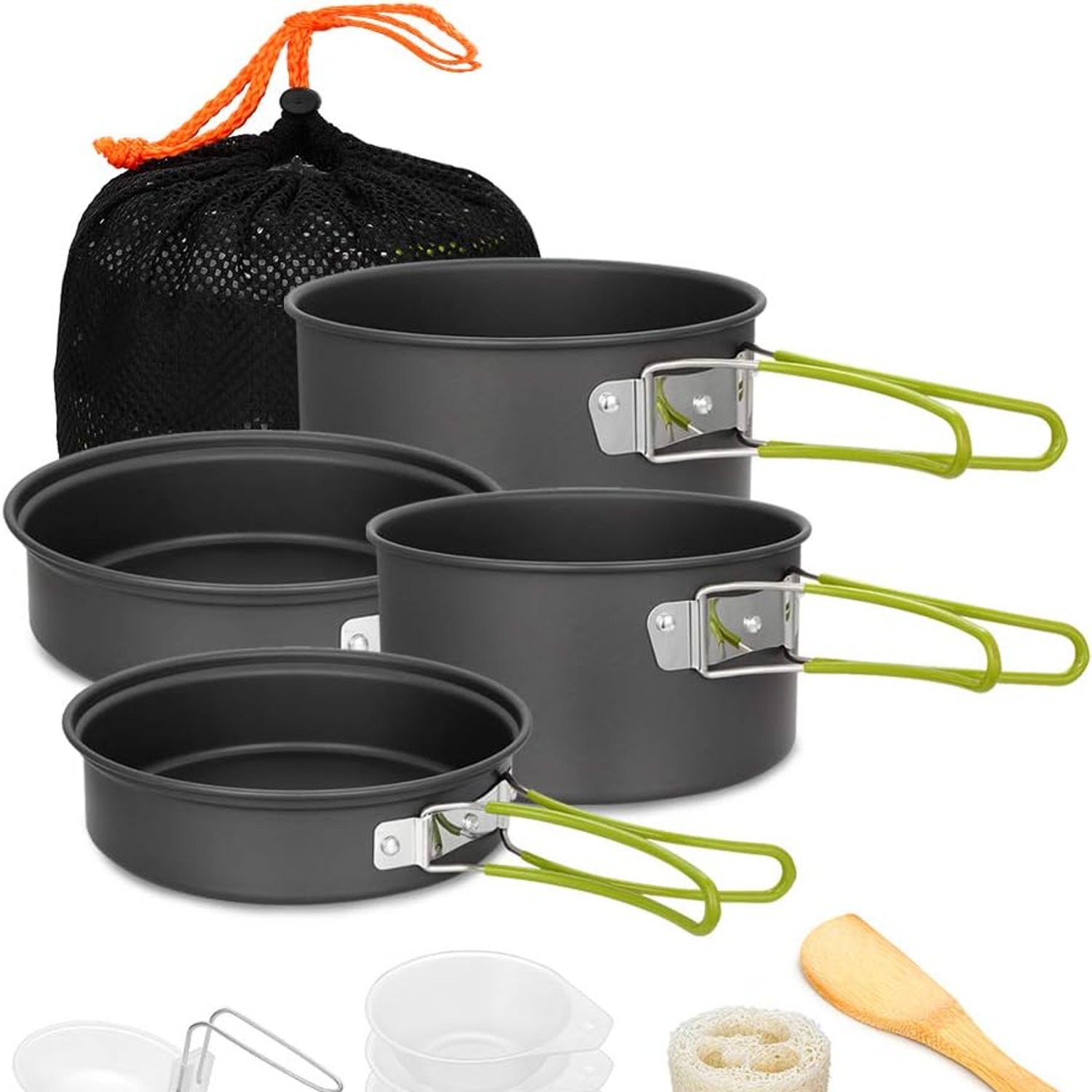
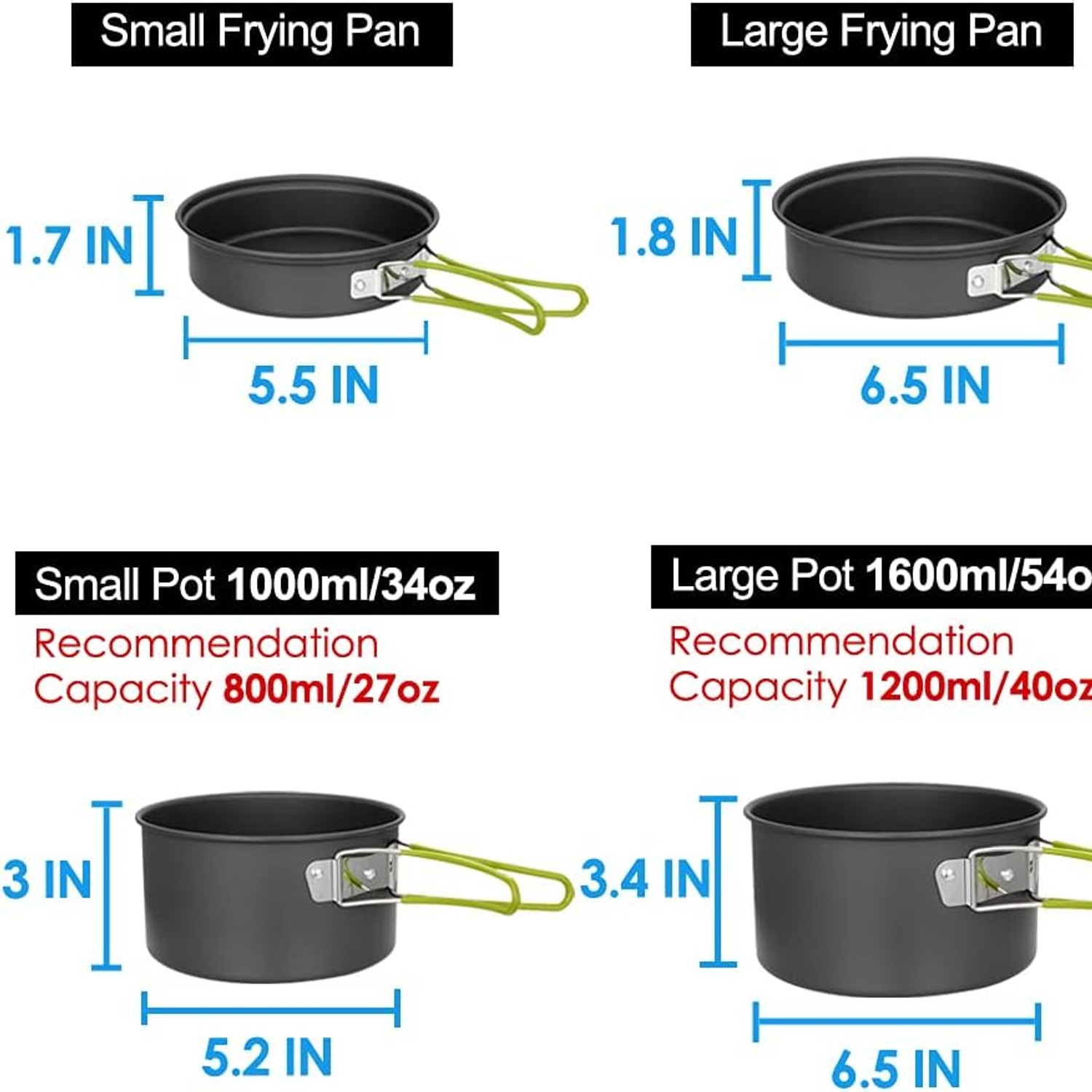
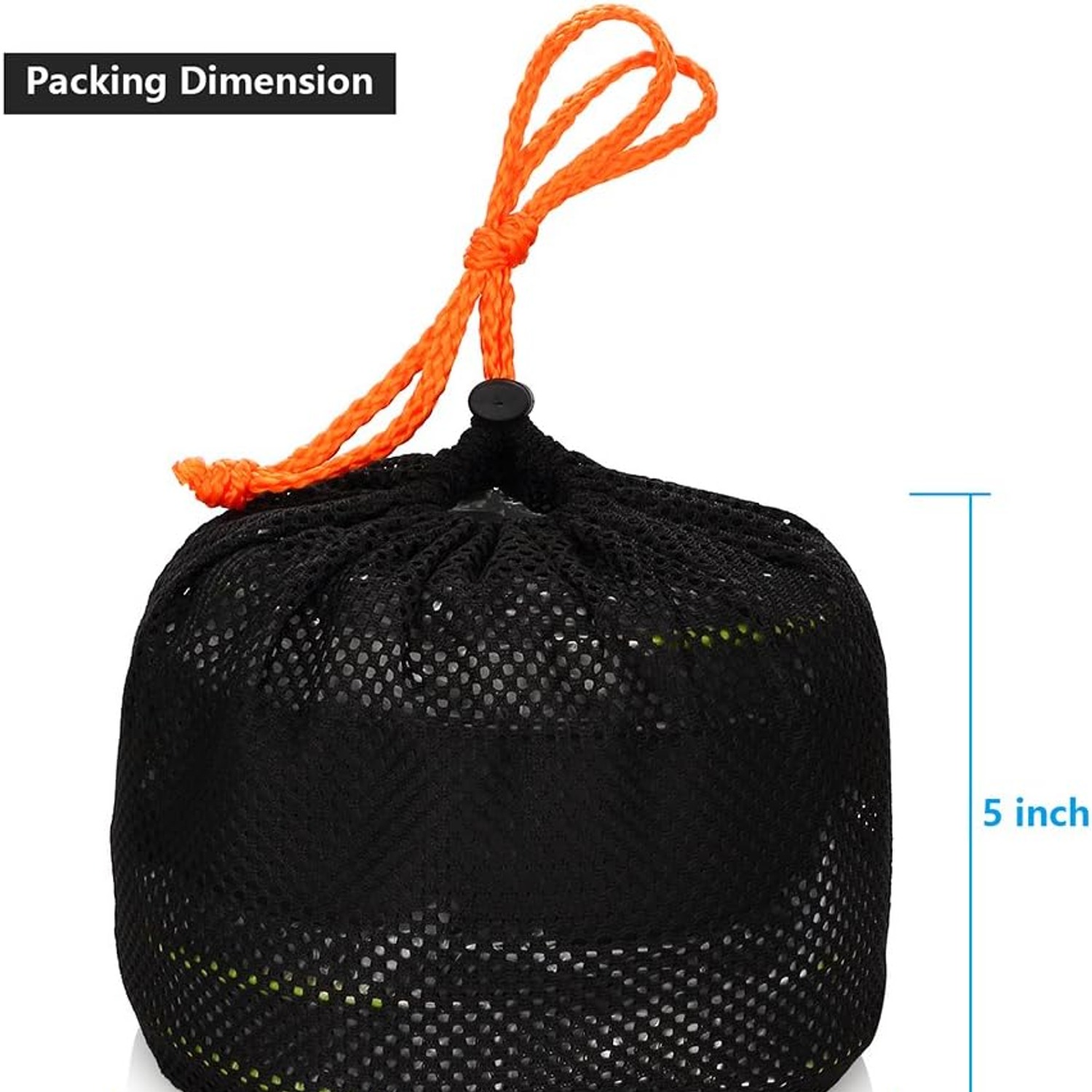
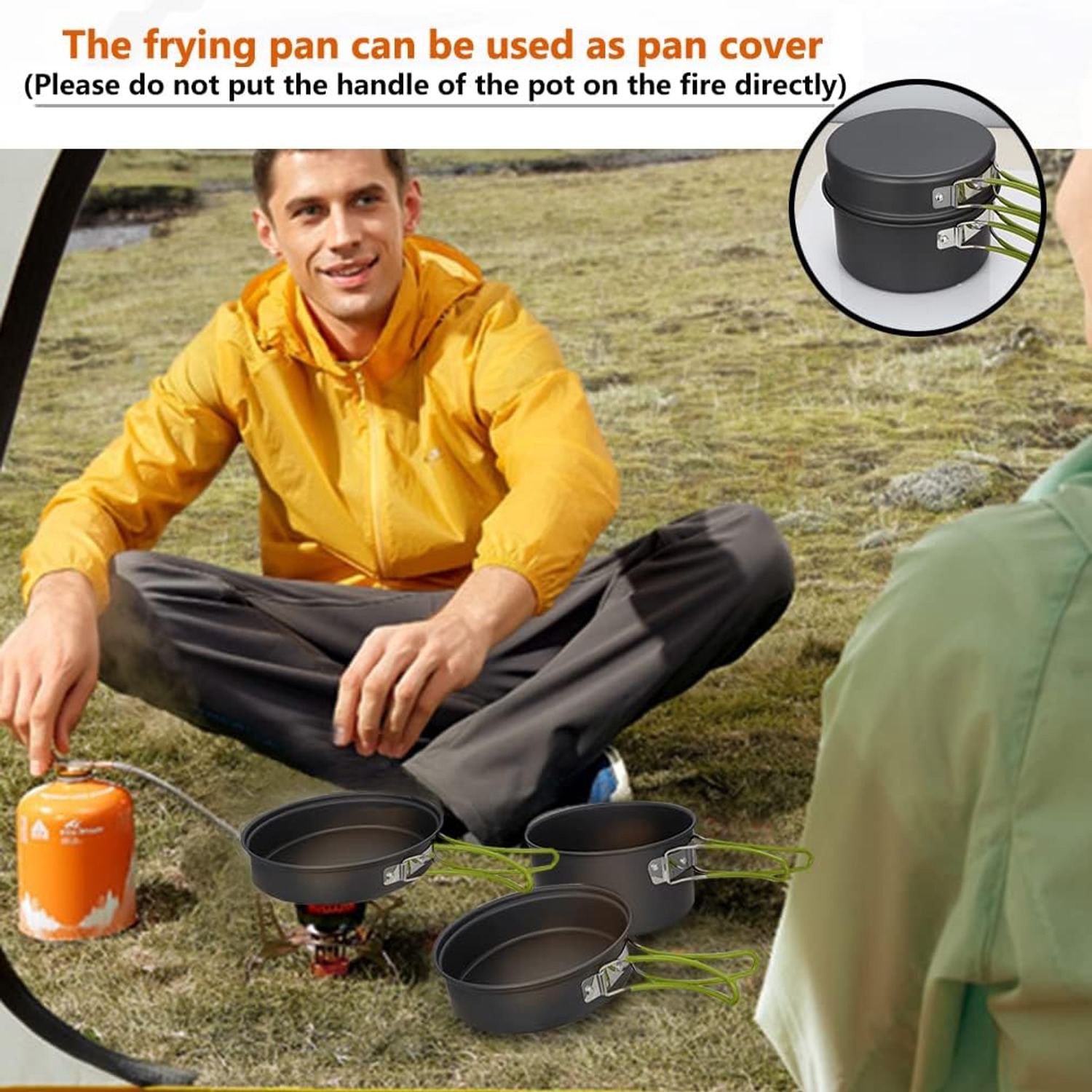
This is an 11 piece kit built around a 1.8 litre pot and a 1 litre pot, both aluminum with a non-stick cooking surface. Two pans come with it, one large and one small, and both are sized to sit on top of the pots as lids. Then there are three BPA free bowls, a soup spoon, a bamboo spoon, a cleaning sponge and a nylon travel bag.
The two material choices here matter more than the piece count. Aluminum is light and it moves heat fast, which is exactly what you want when you are burning canister gas. Water boils sooner, food comes up to temperature sooner, and the fuel lasts longer across a weekend. Heavier materials hold heat better, but you pay for that every time you pick the bag up.
The non-stick surface handles the other half of the problem. Camp washing-up is always worse than kitchen washing-up, because you rarely have hot running water and plenty of space. A surface that lets a fried egg or a sticky sauce slide off with a sponge turns a fifteen minute job into a three minute one.
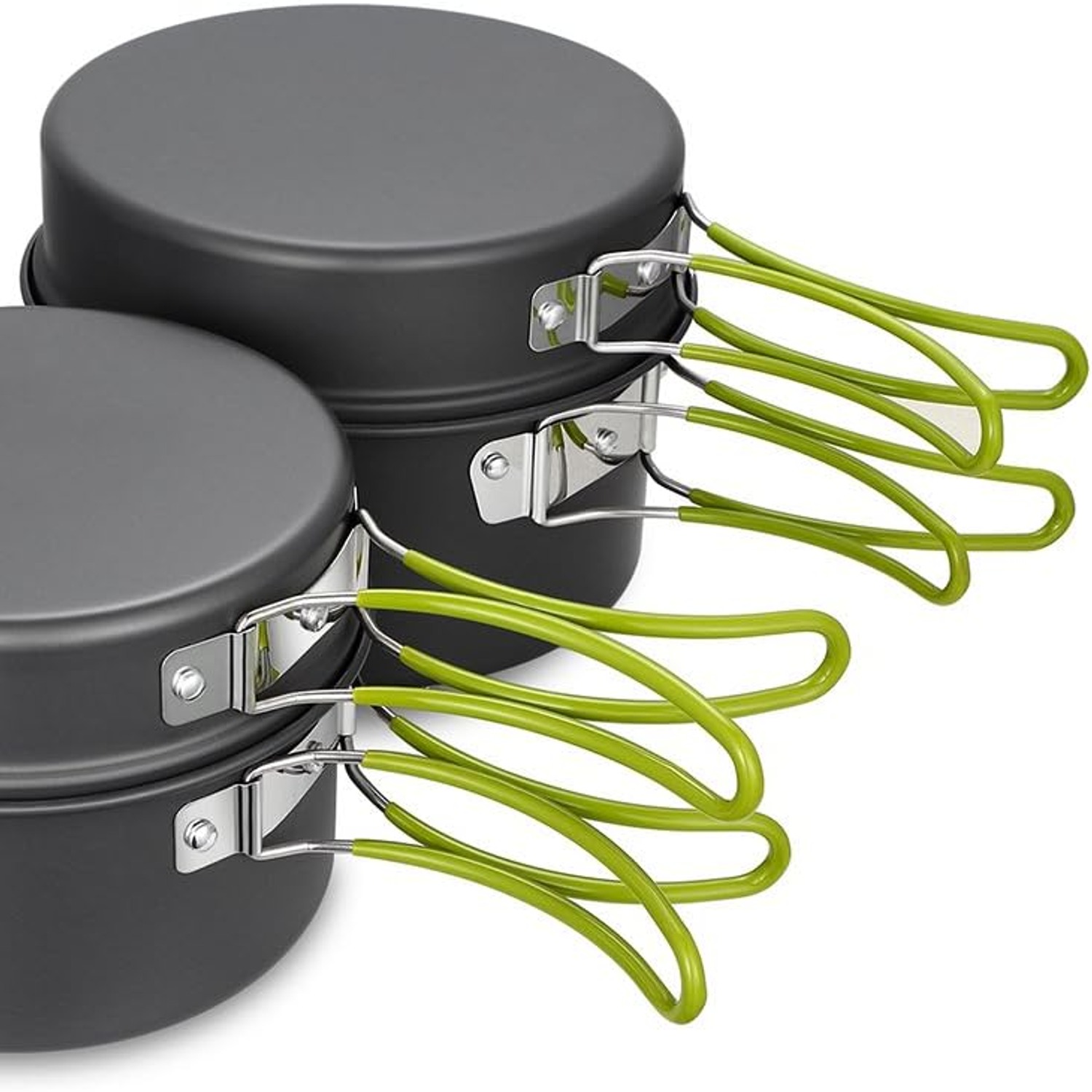
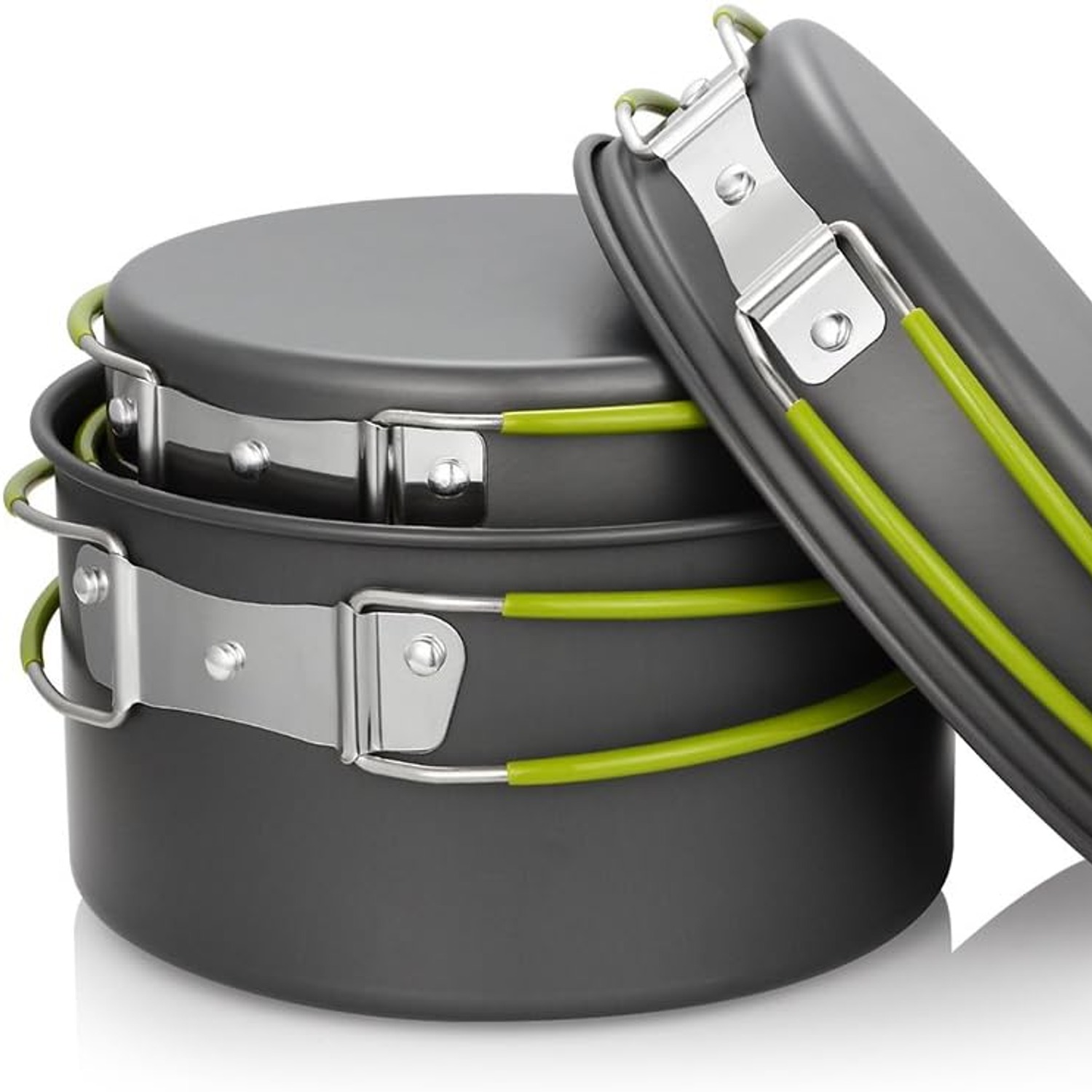
The handles fold flat. That sounds like a small detail until you try to pack a pot with a fixed handle, which wastes space in every direction. Folded handles let the pots nest cleanly, and the silicone tubing over them gives you a better grip when you lift. One rule to remember: keep the flame under the base. The covers take heat well, but sustained direct fire on a handle is asking for trouble.
Who it suits
Two people is the sweet spot. Couples, a parent and a child, two mates on a hiking weekend, or one person who likes having a spare pot going. The 1.8 litre pot handles the main meal while the 1 litre pot does rice, a side, or hot water for drinks. Three bowls give you a bit of slack if a third person joins for dinner.
It also works well for anyone short on storage. Van owners, caravanners, boat owners and people with small flats all like a kit that collapses into one stack instead of sprawling across a cupboard. At around 1 kg packed, it is light enough that backpackers take it seriously, and complete enough that car campers do not feel like they are roughing it.
Where it is not the right choice: large groups, and anyone cooking on an induction hob at home. Aluminum does not work on induction, so this is a camp stove and fire kit, not an indoor replacement set.
How to choose between sets
Start with headcount, then work backwards. A two person set should give you at least one pot near 1.5 to 2 litres. Anything smaller and your pasta boils over. Anything larger and you are carrying air.
Second, check how it packs. The question is not how many pieces you get, it is whether those pieces nest. A ten piece set that nests into one pot beats a six piece set that does not. Look for pans that double as lids, handles that fold, and a bag that holds the stack together so nothing clatters in your pack.
Third, think about weight honestly. People get obsessive about grams and then pack three bottles of sauce. A 1 kg kit is a sensible figure for two people with real pots. If you are counting every gram for a long solo hike, a single titanium mug is a different product for a different trip.
Fourth, look at the cooking surface. Bare metal is tough and takes abuse, but you will scrub it. Non-stick is easier to live with day to day as long as you treat it well. For most campers cooking eggs, noodles and one-pot dinners, non-stick wins.
Finally, count what else comes along. Bowls, a serving spoon and a sponge sound like filler until you are at a campsite without them. A set that includes them saves you three separate purchases and three more loose items to lose.
Getting the best out of it
Before the first trip, hand wash everything and dry it. Then rub a thin film of cooking oil over the non-stick surfaces. It takes a minute and helps condition the coating.
Cook on low to moderate heat. Non-stick surfaces do not like being blasted empty over a roaring burner, and aluminum heats fast enough that you rarely need full flame anyway. If you are simmering, put the pan on as a lid and turn the heat down further.
Use soft utensils only. Wooden, silicone or smooth plastic. The included bamboo spoon is there for exactly this reason. One careless pass with a metal fork can leave a scratch that spreads over time.
Wash with warm water, a mild detergent and a sponge or cloth. If food has caught, soak it rather than scraping. Steel wool and gritty cleaning powders will take the coating off faster than any amount of cooking.
Dry every piece fully before nesting. This is the step people skip, and it is the reason kits come out of storage smelling stale. A damp stack sitting in a bag for a month is a problem you can avoid in two minutes with a tea towel.
Packing it smart
Nest the small pot inside the large pot, then slot the pans on top as lids. Bowls and spoons tuck into the gaps. Give the whole thing a shake before you zip the bag, and if it rattles, repack it, because rattling gear wears itself down over a long walk.
If you are carrying gas, the canister often fits neatly inside the large pot alongside the small one. That turns dead space into useful space and keeps the canister protected. Some people wrap a dishcloth around the stack as padding, which also gives you something to grab a hot pot with.
The short version
This is a complete two person camp kitchen that fits in one pot. Aluminum construction keeps it light and quick to heat, the non-stick surface keeps washing-up short, the pans double as lids, and the handles fold so everything packs flat. You get two pots, two pans, three bowls, two spoons, a sponge and a bag, all for about 1 kg.
If you camp, hike, fish, travel in a van or just want a tidy spare set that lives in a cupboard without taking over, it covers the job. Treat the coating kindly, dry it before you pack it, and keep the flame under the base rather than on the handles. Do that and it will keep turning out hot meals trip after trip.