
The complete guide
Gazebo Side Walls Buyer's Guide: Fit, Fabric and Getting More Days Out of Your Canopy
The problem with an open gazebo
A gazebo roof solves exactly one problem. It keeps the sun and rain off the patch of ground directly underneath it. Everything else about the weather carries on as normal.
Anyone who has set one up at a market, a camp site or a backyard barbecue knows the feeling. The roof is up, the chairs are out, and then the breeze picks up and starts lifting the tablecloth. Or a shower rolls through at an angle and the two metres nearest the edge get soaked. Or, the classic one, the sun drops past four in the afternoon and shines straight in sideways, which means half your guests are squinting and the other half have moved their chairs into a corner.
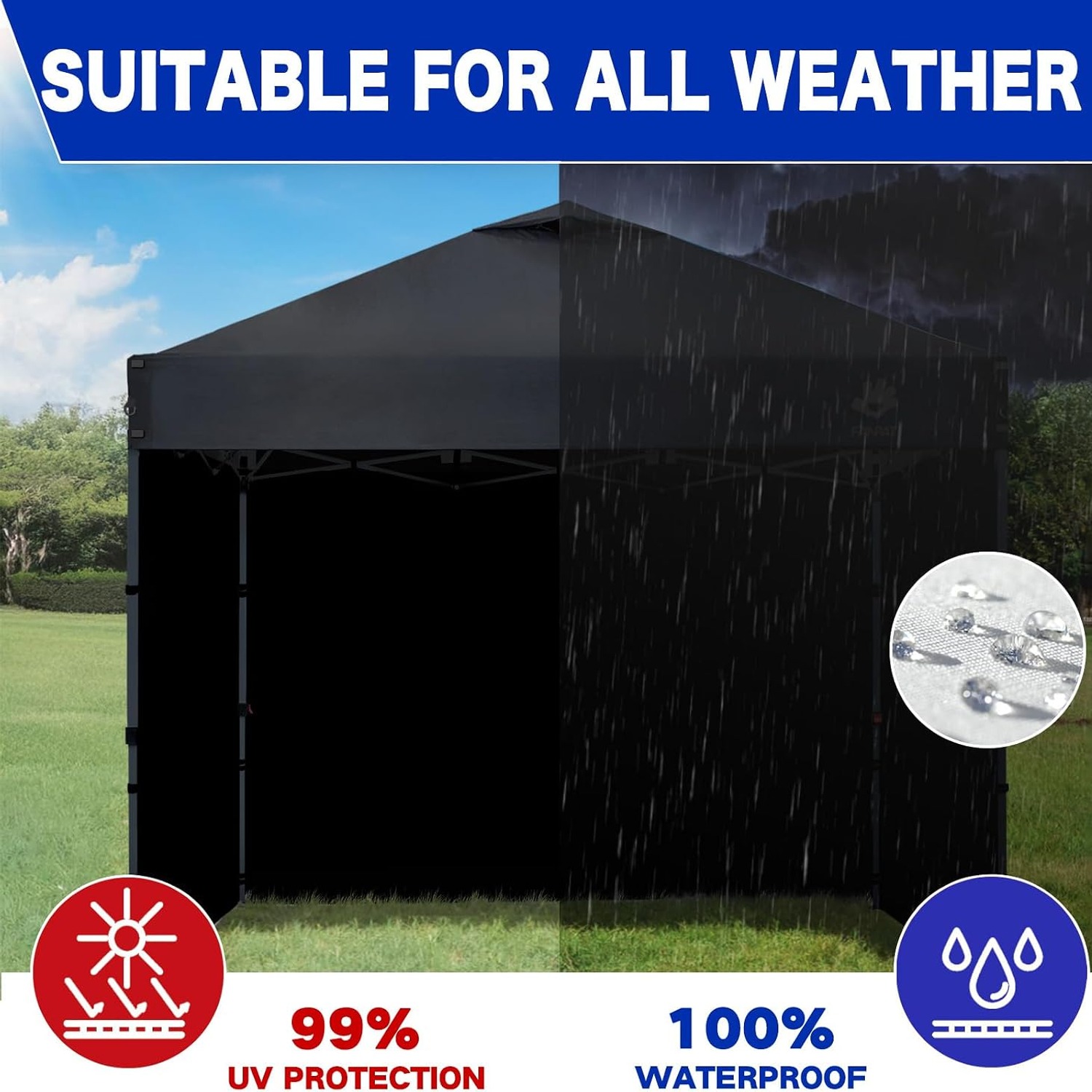
Side walls are the simple fix. They close off the parts of the frame the roof cannot reach, and they turn an open canopy into something that feels like a room. Not a sealed room, since these panels sit at seated height rather than running floor to roof, but enough structure that the wind stops being a nuisance and the sun stops being a problem.
How these panels work
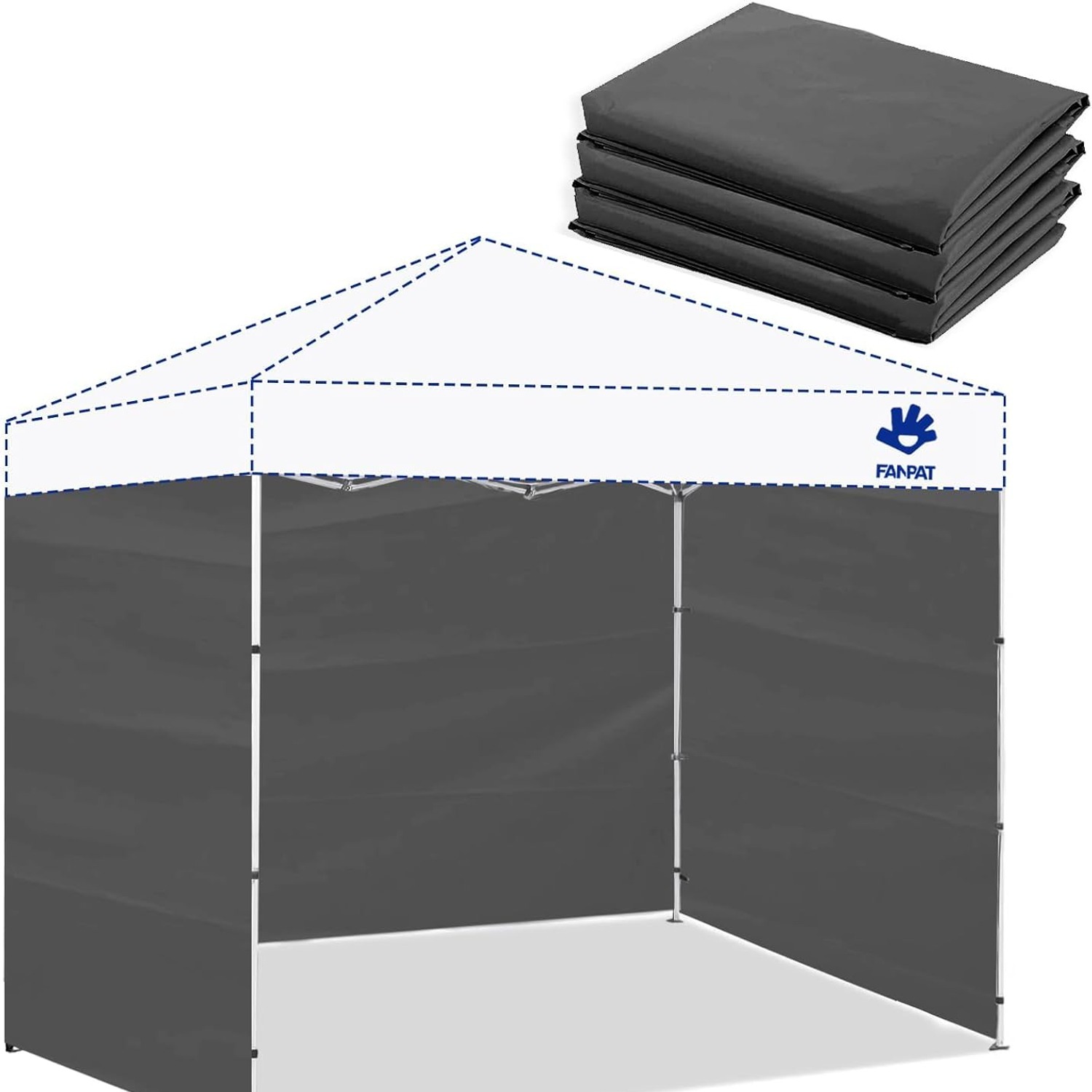
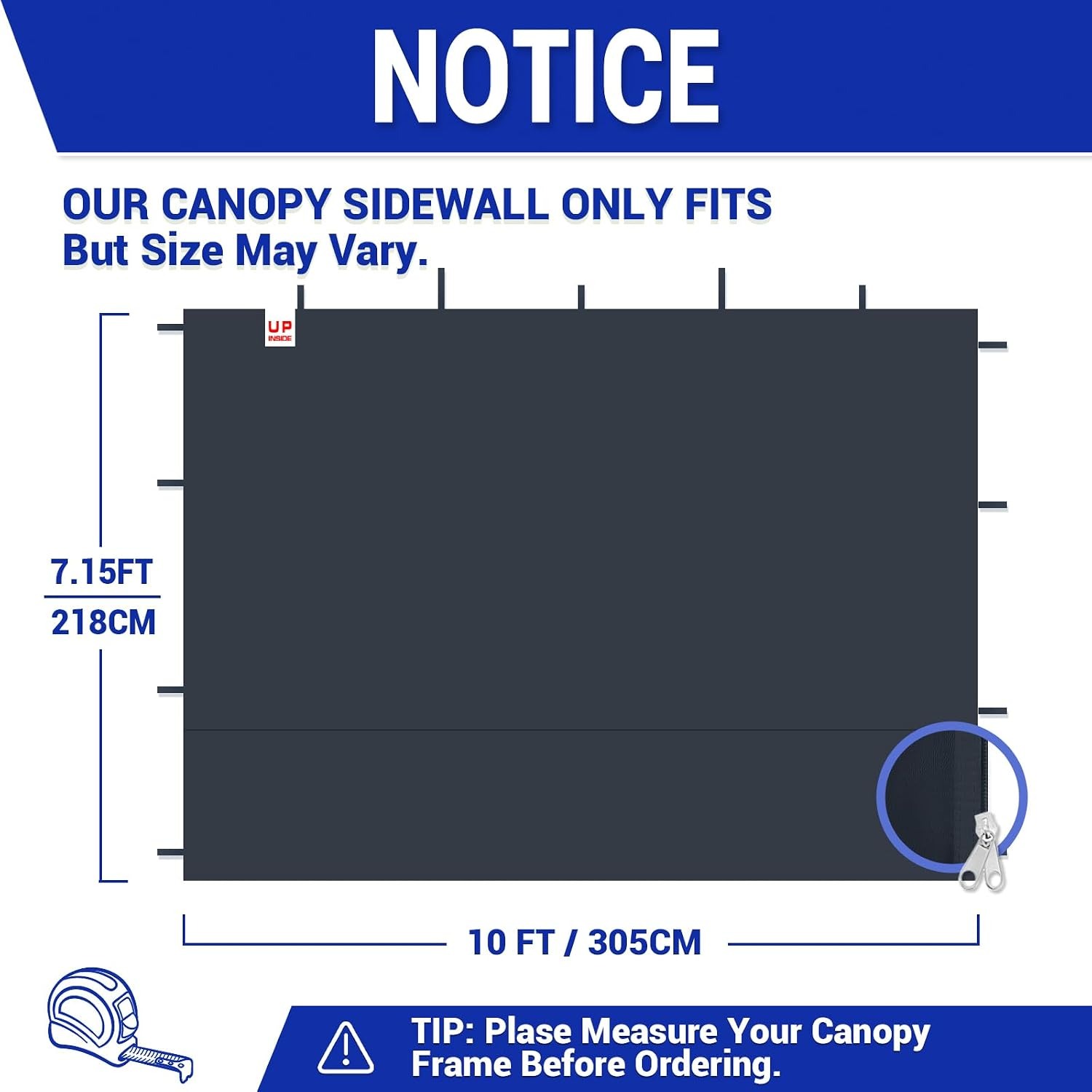
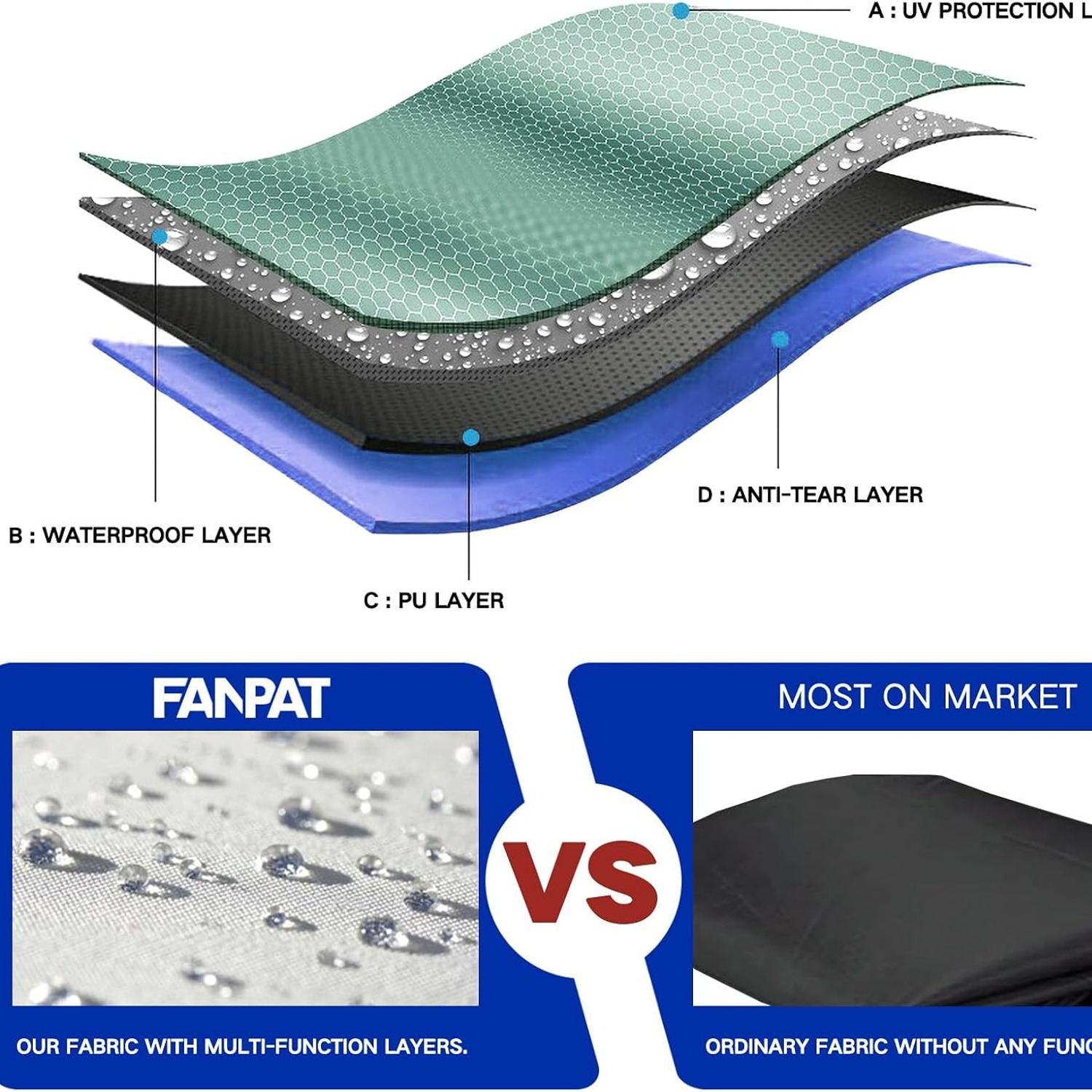
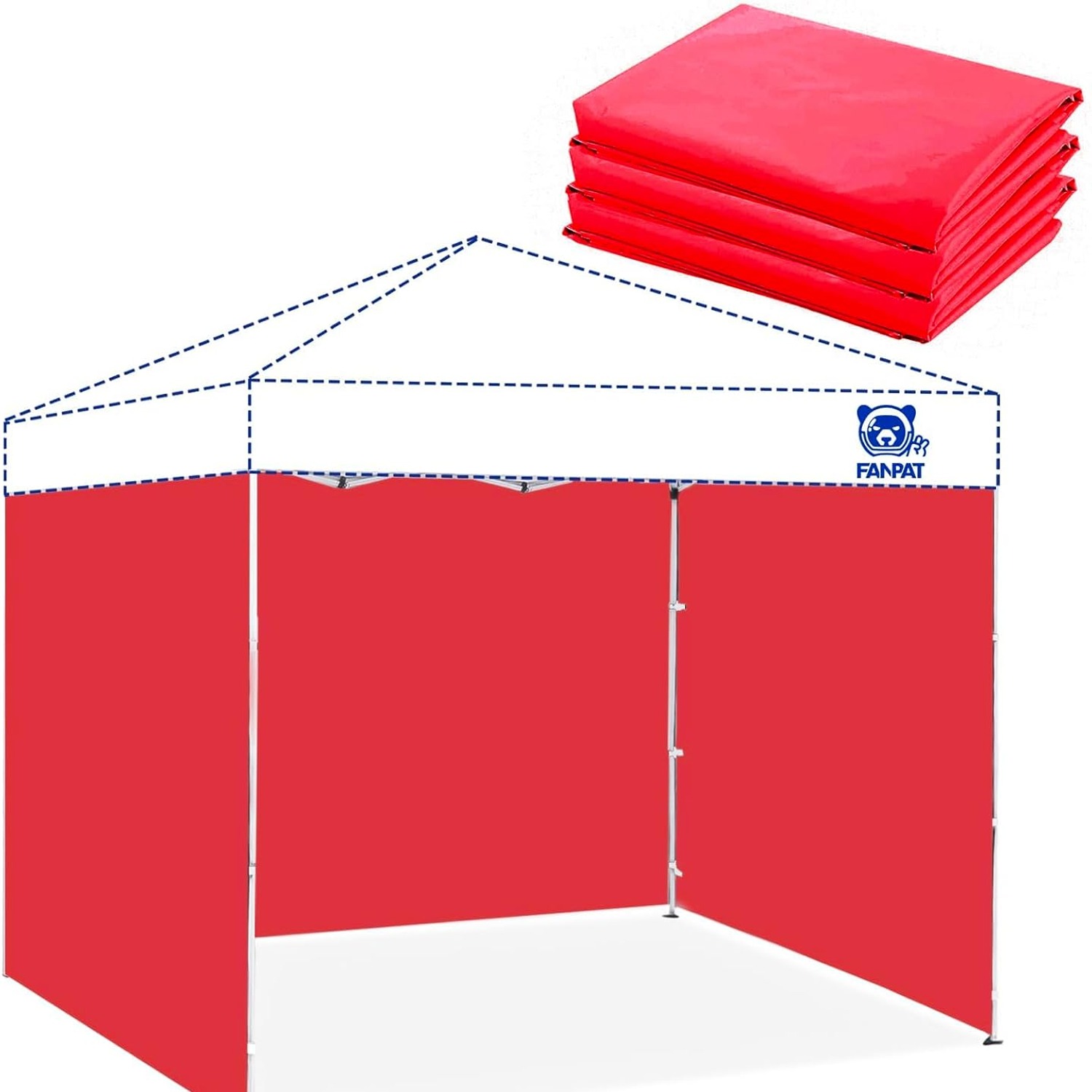
This set gives you three panels. Each one is 3 metres wide and 0.86 metres high, which adds up to 9.3 square metres of coverage across the three. They are made from polyester with a waterproof finish, so water beads and runs off rather than wicking through, and the fabric blocks ultraviolet light on the side that is catching the sun.
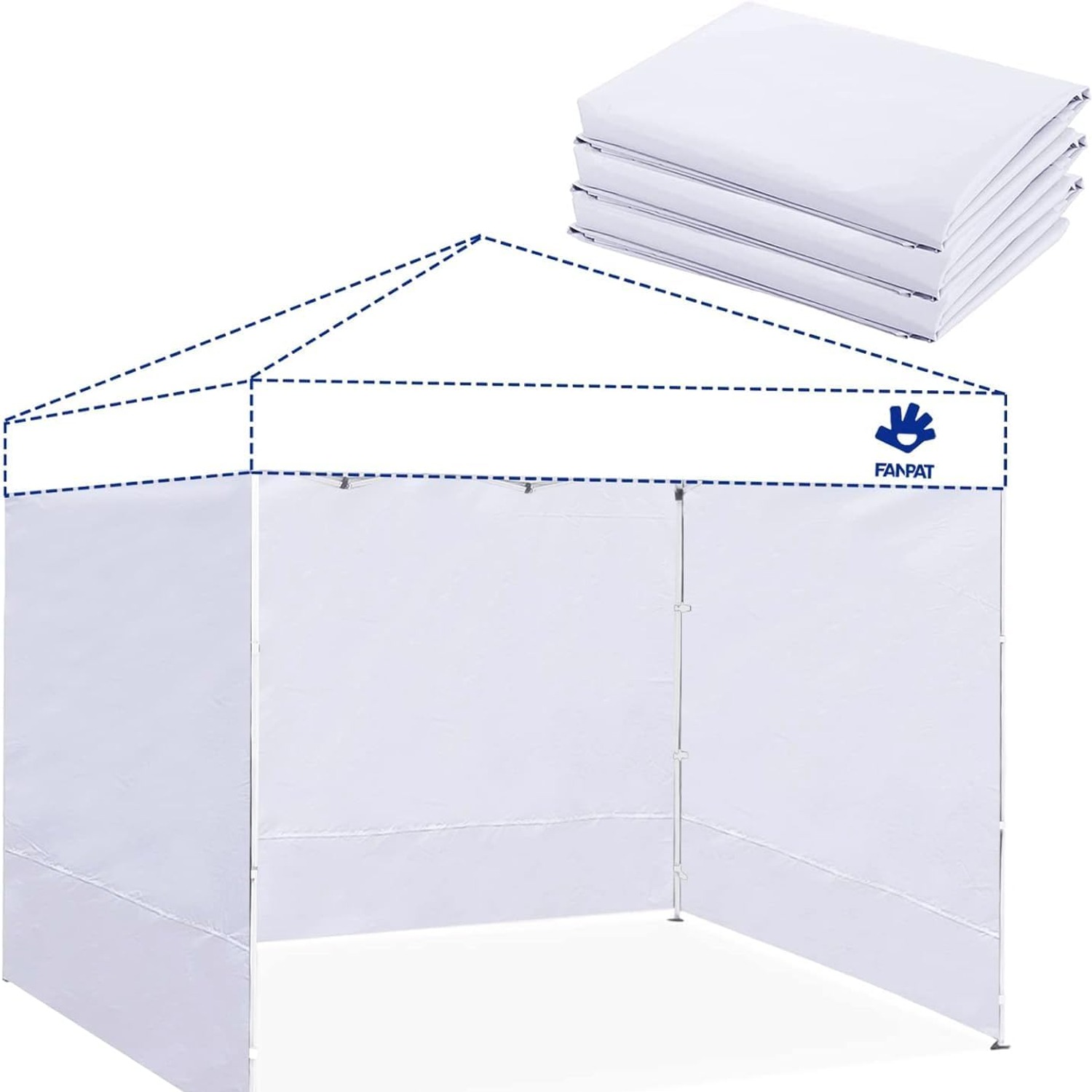
The attachment system is hook and loop. The top edge of each panel wraps around a horizontal bar on your gazebo frame and presses closed along its length. That is the whole mechanism. There are no clips to snap, no poles to thread through sleeves, no bolts, and no tools required in either direction.
It sounds almost too simple, but the simplicity is the point. Clip systems break and get lost. Pole sleeves need two people and a bit of swearing. A hook and loop wrap works on round tube and square tube alike, can be adjusted up or down the leg to suit your frame, and comes off in seconds when you need to pack up in a hurry.
Who gets the most out of them
Stallholders. If you trade at weekend markets, side walls do double duty. They stop the wind pushing your display around and they give you a plain black backdrop that makes your stock stand out. Three walls plus an open front is the standard stall setup for good reason. Plenty of traders go looking for the best gazebo side walls after one windy Saturday teaches them why they need them.
Campers. Camping is the listed use for these panels, and it fits. A walled gazebo at a camp site becomes the cooking and eating area, which keeps the breeze off a gas burner and gives everyone somewhere to sit that is not a tent. If the site has afternoon sun, one panel on the western side changes the whole feel of the space.
Backyard hosts. For parties, a set of outdoor gazebo panels means a sudden shower does not clear the garden. People stay put, the food stays dry, and the gazebo stops being a fair-weather-only item.
Sideline parents and club volunteers. Sports fields are exposed by design. A couple of walls on a club gazebo makes a sheltered spot for scorers, first aid kits and anyone waiting to go on.
Getting the fit right
This is the only part worth slowing down for, because everything else about these panels is forgiving.
Measure the distance between two legs along one side of your gazebo. Not the roof, the legs. Some frames marketed as 3 x 3 metres are measured at the canopy's outer edge, which can be a bit wider than the leg spacing underneath. If your leg-to-leg measurement is close to 3 metres you are fine, since the hook and loop closures give you a little room to play with.
If your frame is a 2.4 metre or 4 metre model, these will not work. Hunting for 3x3 gazebo side walls when you own a 4 metre frame is a common and frustrating mistake, so it is worth taking the tape measure out before you order.
Also check the height. At 0.86 metres these are partial walls, designed to sit along the frame at seated height. They are not full curtains. If you want to completely enclose a gazebo for privacy or overnight use, these are not that product, and it is better to know up front.
Thinking about wind
A gazebo with walls catches far more wind than an open one. There is no getting around the physics. The roof already acts as a sail, and adding fabric to the sides gives the wind more to push against.
This is not a reason to avoid side walls. It is a reason to anchor your gazebo properly once they are on. Peg every leg if you are on grass. Use weights if you are on concrete or pavers. Guy ropes to the corners help a lot in exposed spots.
And know when to stop. If the wind is strong enough that the frame is flexing, take the panels off first. That alone usually settles things down. If it keeps building, take the whole gazebo down rather than finding it in your neighbour's yard. Most gazebo damage happens in gusts that could have been ridden out if someone had pulled the walls off twenty minutes earlier.
Looking after them
Polyester is low-maintenance fabric, and these panels need very little from you.
Clean them with a damp cloth and a bit of mild soapy water, then rinse the suds off with fresh water. Skip the bleach and skip any solvent-based cleaner, since both can attack the waterproof finish. Do not put them in a washing machine. The agitation stresses the hook and loop and can lift the coating.
The one rule that really matters is drying. Fabric packed away damp will grow mildew, and that smell is almost impossible to get rid of once it sets in. After a wet event, hang the panels over a fence or a clothesline until they are properly dry, including the fastener strips, which hold moisture longer than you expect.
For storage, roll or loosely fold them and keep them in a dry bag or tub out of direct sunlight. Sunlight is what breaks down outdoor fabric over the years, so time spent in a dark cupboard is time added to their life.
A few practical notes
Black is a sensible colour for this kind of gear. Grass stains, mud splashes and general dust do not show the way they would on a cream panel, which means the walls still look tidy after a muddy market day.
Three panels is the right count for most setups, since you need a way in. If you want all four sides closed off, buy two sets and keep the fourth panel as a spare. Spares are handy, because the one thing that tends to go wrong with portable gear is a tear from a snagged branch or a sharp bracket.
And remember what this set is. Panels only. No roof, no frame, no legs. It assumes you already own a 3 x 3 metre gazebo and want to make it useful in more conditions.
The short version
If you own a 3 x 3 metre gazebo and you have ever packed up early because of wind, spray or low sun, this set fixes that. Three waterproof polyester panels, 3 metres wide and 0.86 metres high each, attached with hook and loop in a couple of minutes per wall, no tools involved.
Measure your leg spacing first. Peg or weight the frame properly once the walls are on. Dry the panels before you store them. Do those three things and a set of walls will get you a lot more usable days out of a gazebo you already own.