Camping Company
Company
Shop By Category
T&Cs
Shop Online
  • Clear materials and product specifications
  • Free tracked Canada-wide delivery over C$150
  • 14-day returns

Snow And Sand Tent Stakes | Aluminum Tent Pegs | Beach Tent Pegs

Azarxis Aluminum Snow and Sand Tent Stakes (6 Pack)

C$95.99 C$114.99 Save C$19
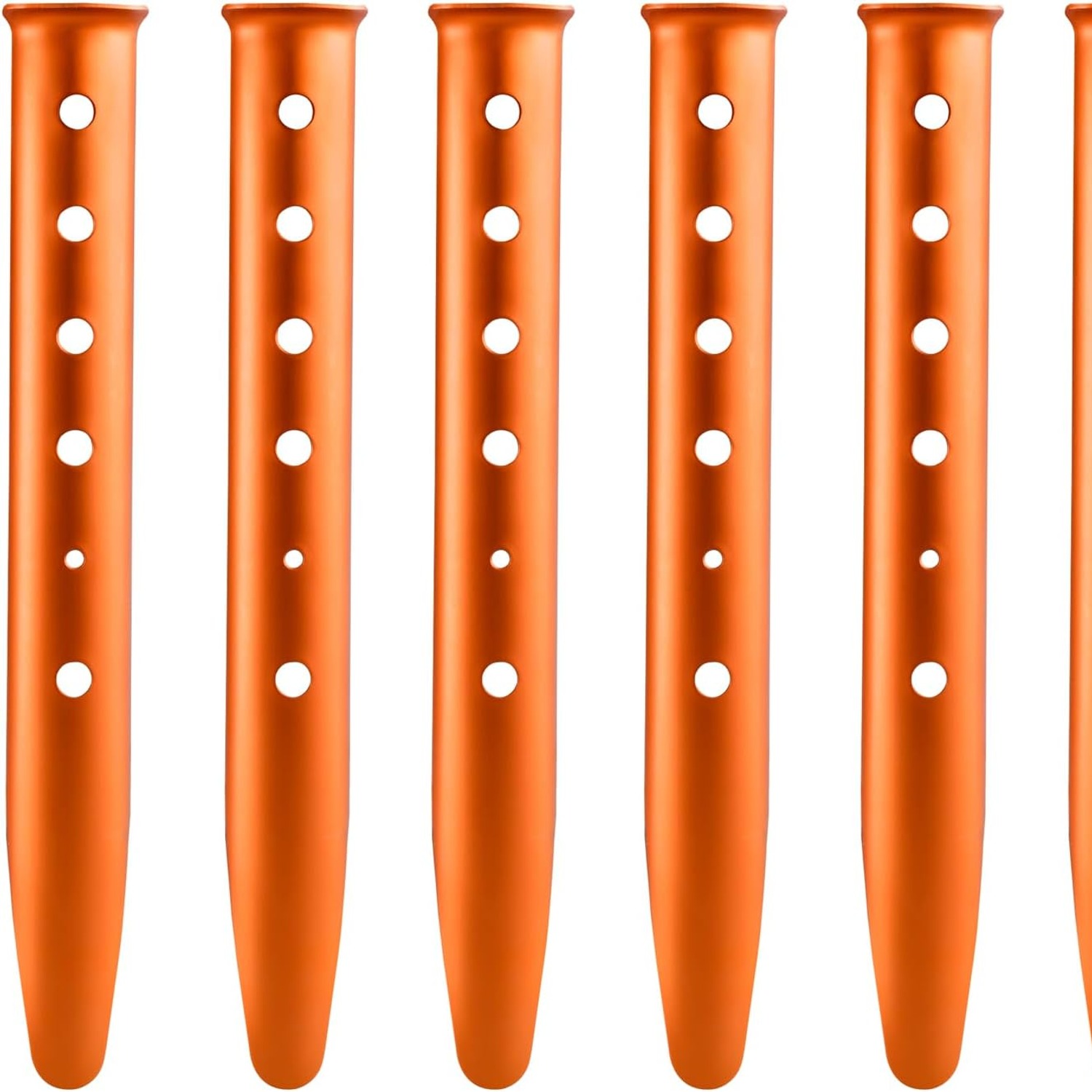
  • Wide 3.6cm Blade
  • 52g Per Stake
  • Anodised Finish
  • Bright Orange

Price: C$95.99 C$114.99

  • Free tracked Canada-wide delivery on orders C$150+, otherwise a flat C$20
  • Pay by card or PayPal, handled by the payment provider
  • 14 days to change your mind, plus your statutory rights
Product specifications
BrandAzarxis
Model Number3316
StyleTent Stake
MaterialAluminum
ColourOrange
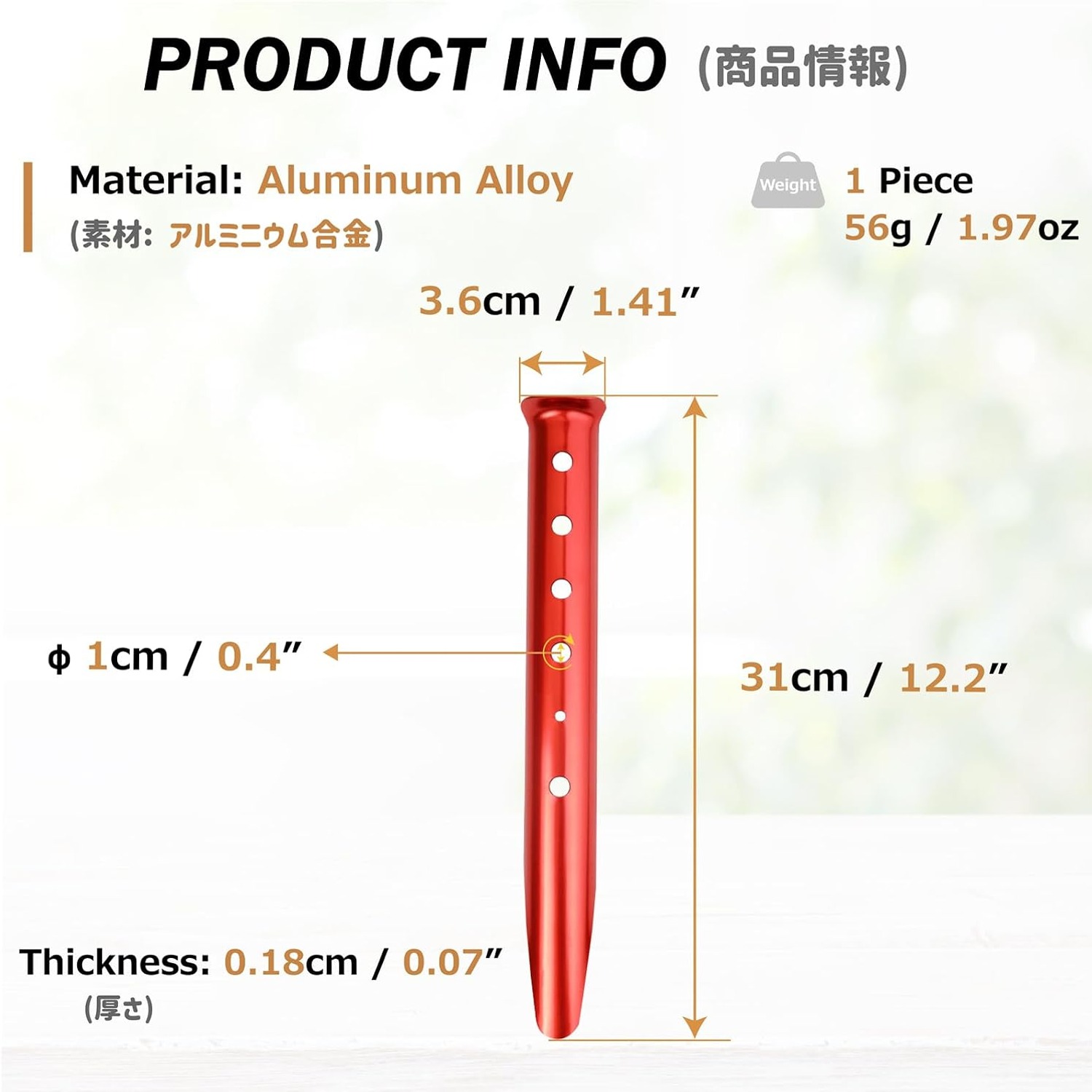
Length31 cm
Width3.6 cm
Item Dimensions31 L x 3.6 W cm
Weight Per Stake52 g (1.84 oz)
Number Of Pieces6
Recommended UsesCamping, hiking, backpacking, picnics, shade canopies, beach, snow
Weight0.05 kg
Shipping & returns

Tracked delivery anywhere in Canada. It is free on orders of C$150 or more, and a flat C$20 below that.

If it is not right for you, send it back within 14 days of delivery in resaleable condition and we refund the price you paid, including standard delivery. That is a voluntary policy we offer on top of your legal rights. You cover the cost of returning it unless the item is faulty.

If it arrives faulty, damaged or not as described, we put it right at no cost to you under the consumer protection law of your province or territory (for example the Ontario Consumer Protection Act, 2002), return postage included.

Shipping details · Refunds and returns

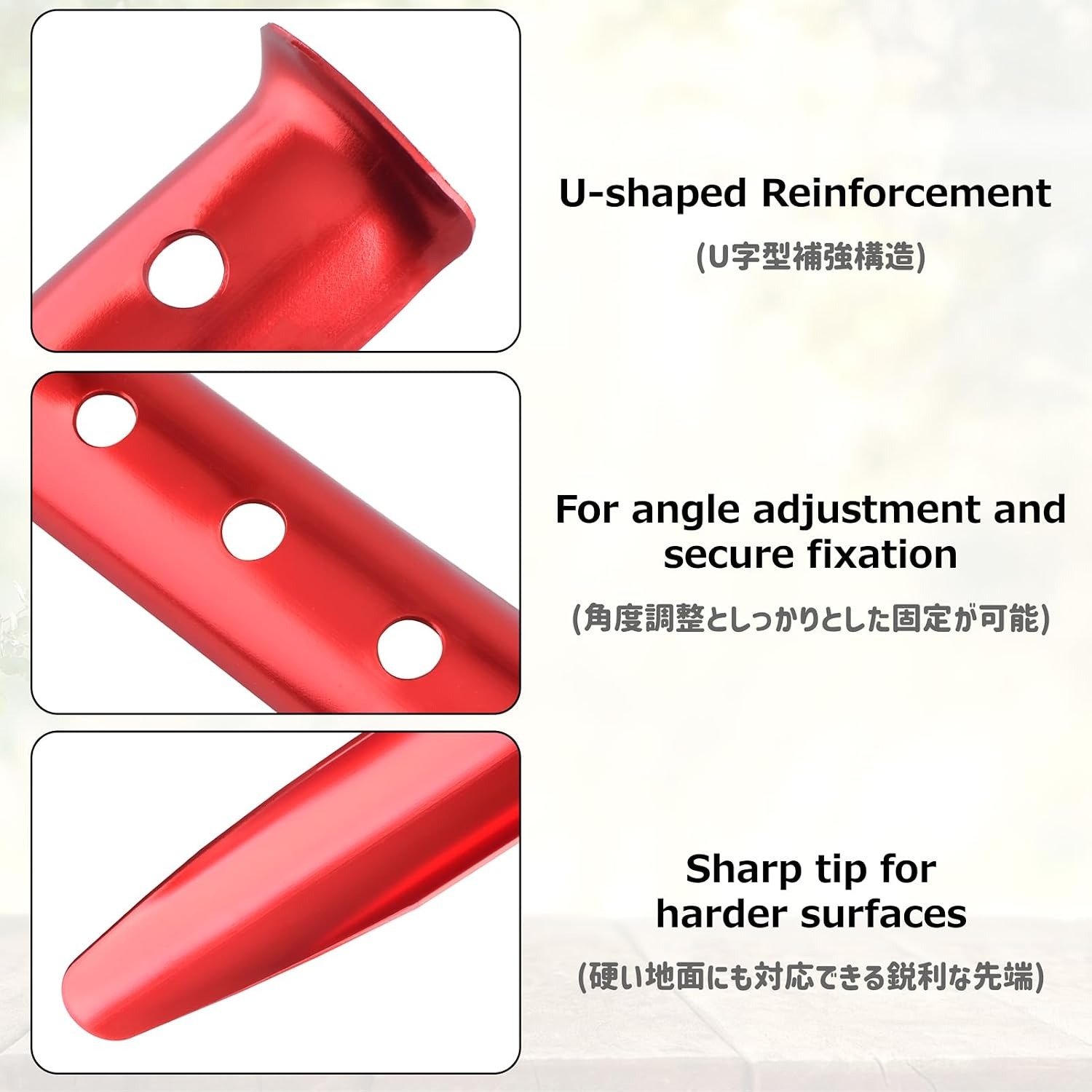
Wide 3.6cm BladeExtra surface area holds in sand, snow and soft soil.
52g Per StakeLight enough to carry in a hiking or backpacking kit.
Anodised FinishHarder wearing surface than bare aluminum.
Bright OrangeEasy to see at pack-up time so fewer get left behind.

Keep your shelter planted in loose ground with snow and sand tent stakes built for the places normal pegs give up.

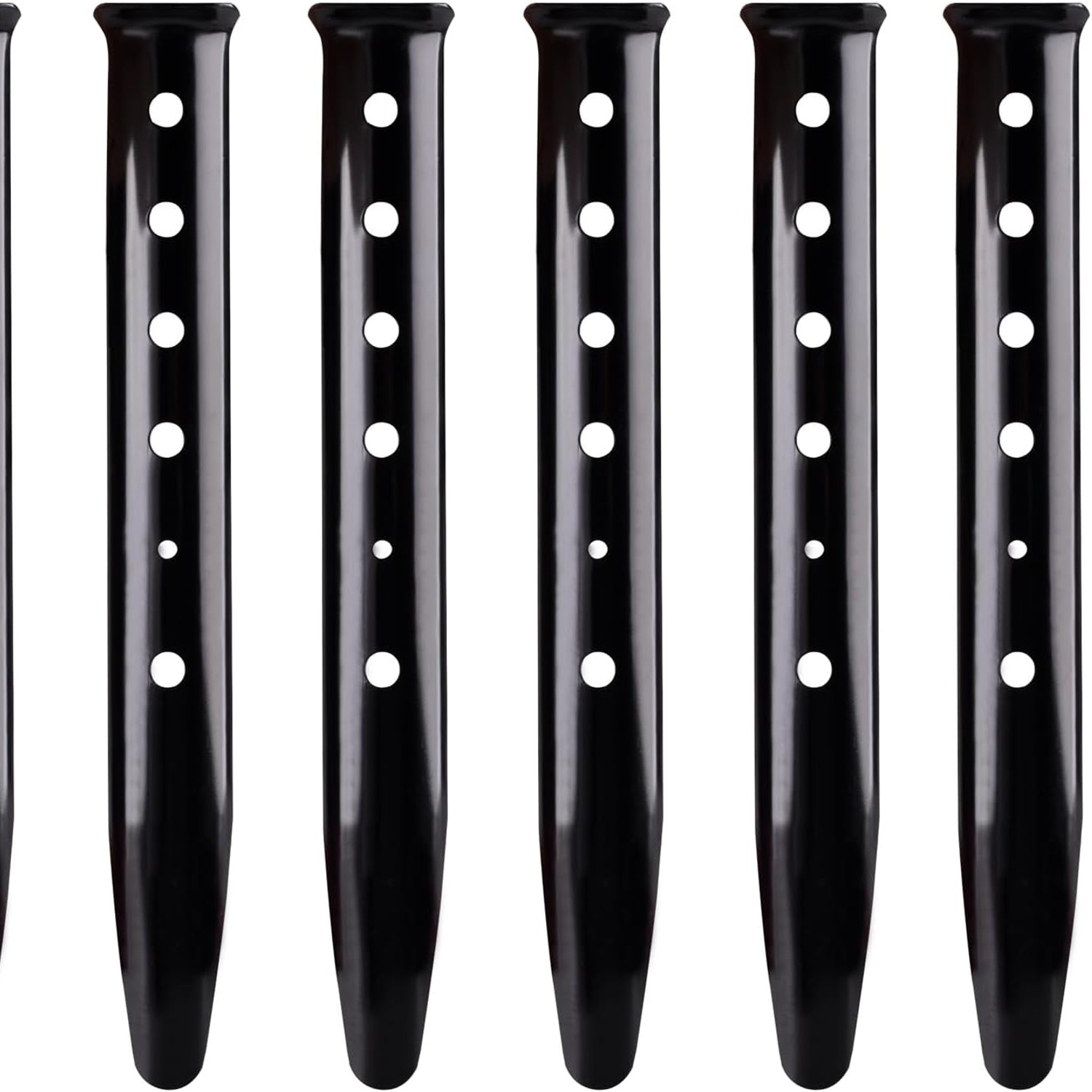
Six anodised aluminum stakes, 31cm long and 3.6cm wide, weighing 52g each, with a bright orange finish that stays easy to spot when you pack down.

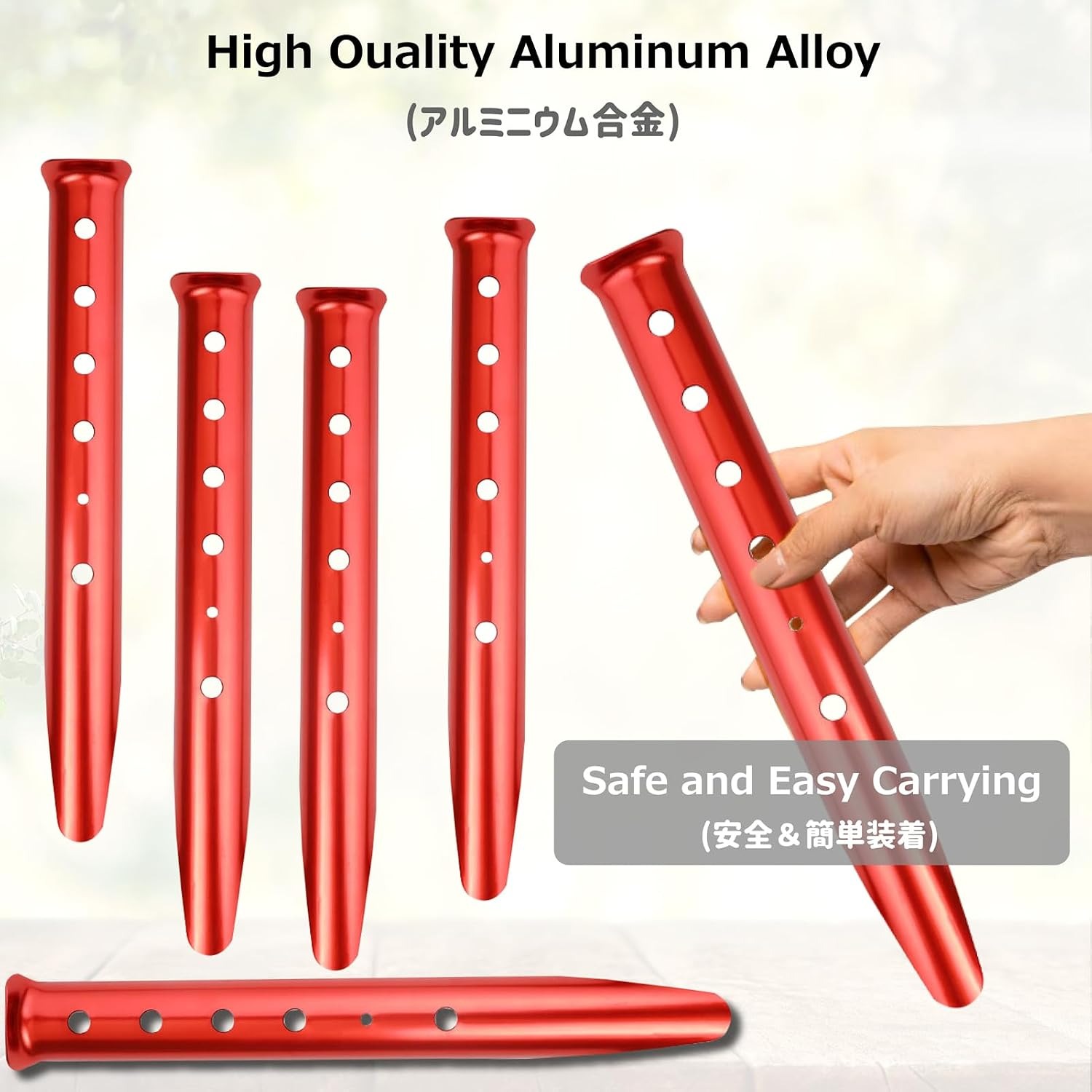
Six aluminum snow and sand tent stakes designed for the loose ground where thin round pins simply slide out.

Each stake measures 31cm long and 3.6cm wide, giving a broad blade that packs sand or snow against it instead of cutting through.

At 52g per stake, the set adds very little to a pack and suits camping, hiking, backpacking and day trips to the beach.

An anodised surface treatment gives the aluminum a tougher, more wear-resistant finish and keeps the orange colour bright.

Suited to beaches, soft ground and snow, not to hard-packed earth, rocky sites or stony ground.

Azarxis Aluminum Snow and Sand Tent Stakes (6 Pack)

Standard round tent pins work because the soil squeezes back around them. On a beach or in fresh snow there is nothing to squeeze. The grains or flakes flow out of the way, the pin tilts, and the first real gust walks your shelter sideways. These stakes solve that with shape rather than length alone. Each one is 31cm long and 3.6cm wide, so instead of a thin shaft you get a broad blade with real surface area pressing against the ground.

Azarxis Aluminum Snow and Sand Tent Stakes (6 Pack)

The set is made from aluminum and each stake weighs 52g, which is 312g for all six. That is light enough that keeping them in a hiking kit or the bottom of a day pack is not a decision you have to think about. Backpackers who normally count grams can carry a mixed set, standard pins for firm sites and a few of these for the nights that end up on sand or snow.

Azarxis Aluminum Snow and Sand Tent Stakes (6 Pack)

After forming, the stakes get an anodising treatment. That gives the surface a harder, more wear-resistant layer than raw aluminum, which matters when a stake spends its life being pushed into grit and pulled back out. The treatment also holds the bright orange colour. Orange reads clearly against pale sand, white snow and dark soil, and that is the practical reason most people lose fewer pegs with coloured stakes than with silver ones.

Azarxis Aluminum Snow and Sand Tent Stakes (6 Pack)

These are built for a specific job. The listing is clear that they suit beaches, soft land and snow, where a wide blade can bury itself and let the ground pack down over the top. They are not intended for hard or stony ground, and forcing an aluminum blade into packed earth or gravel is how it gets bent. If your usual sites are rocky, pair these with steel or hardened pins and use the Azarxis stakes when the surface turns soft.

Azarxis Aluminum Snow and Sand Tent Stakes (6 Pack)

One other fitment note worth reading before you order. The supplier states the stakes are not suited to tents that use small needle loops at the four corners, because the wide head does not pass through a tight loop the way a thin pin does. Check your corner attachments first. Most webbing loops, guy line loops and canopy tie-outs work fine.

Not sure yet? That is fine.

Camping gear has to suit your trip and your climate, and you cannot always judge that from a photograph. If it is not right for you, send it back within 14 days of delivery in resaleable condition and we refund the price you paid, including standard delivery. That is a voluntary policy we offer on top of your legal rights.

If it turns up faulty, damaged or not as described, that is on us. The consumer protection law of your province or territory covers you, and we pay the return postage. Read the full detail on our refunds and returns page, or ask us anything before you order.

Frequently Asked Questions

What exactly is in the pack?

You get six aluminum snow and sand tent stakes in orange. Each one is 31cm long and 3.6cm wide and weighs 52g. The pack has no other accessories listed.

Why do normal tent pegs fail in sand?

A round pin relies on soil pressing in around it. Dry sand simply flows, so the pin tilts and lifts under load. A wide blade works instead by holding a large column of sand above and beside it.

How wide is the blade?

Each stake is 3.6cm wide along its length. That is several times the width of a typical round camping pin, which is where the extra holding power in loose ground comes from.

How long are these stakes?

31cm, which is around 12.2 inches. The extra length gets the blade well below the loose surface layer on a beach or in snow.

How much does the whole set weigh?

Each stake is 52g, so six stakes come to roughly 312g before any pouch or packaging. That is light enough for most backpacking kits.

What are they made from?

Aluminum, with an anodising treatment applied to the surface. The anodising gives a harder and more wear-resistant finish than untreated aluminum and holds the orange colour.

Will they work on hard ground?

No. The supplier is specific that these are not suited to hard land, grassland or stony ground. Driving a wide aluminum blade into packed earth risks bending it, so keep a set of harder pins for those sites.

Are they good for snow?

Yes, snow is one of the intended uses. In snow the usual method is to bury the stake horizontally rather than drive it straight down, which turns it into a deadman anchor.

How do I use them as a deadman anchor?

Dig a shallow trench, tie your guy line around the middle of the stake, lay the stake flat across the trench, then pack snow or sand firmly on top. Let it set for a few minutes and the hold is far stronger than a vertical peg.

Can I use them vertically in sand?

You can, and for light shade canopies on firm damp sand it often holds fine. For dry loose sand or windy days, burying them flat gives a much better result.

Are these among the best sand tent pegs for a beach shelter?

They cover the main things that matter for sand, a wide blade, enough length and low weight. Whether they are the best beach shelter anchors for you depends on the wind you camp in and how heavy your shelter is.

Will they fit my tent?

Most tents with webbing corner loops, guy line loops or canopy tie-outs work. The supplier notes the stakes do not suit tents that use small needle loops at the four corners, because the wide head will not pass through a tight loop.

Can I use them with a tarp?

Yes. They work well as tarp pegs for sand, where the pull is usually along the guy line rather than straight up. Spread your tie-out points so no single stake takes the whole load.

Do they work for shade canopies and gazebos?

They are listed for shade canopy use. Light beach canopies on sand are a good match. Heavy frame gazebos in strong wind need more anchoring than six stakes can provide, so add weights.

How many stakes do I need for a tent?

A small two person tent usually needs four corners plus two guy lines, which matches this six pack. Larger tents with more tie-out points will need a second set.

Why orange and not silver?

Visibility. Orange shows up clearly against sand, snow and dark soil, so you are far less likely to leave one behind or step on one at night. Lost pegs are the most common way a set shrinks over time.

Will the colour wear off?

Anodising bonds the colour into the surface layer rather than sitting on top like paint, so it holds up better than a sprayed finish. Expect some scuffing on the tip and head with heavy use.

How do I get them out of wet sand?

Rock the stake gently back and forth to break suction, then lift. Do not yank straight up on the guy line, and never lever against the blade with a rock.

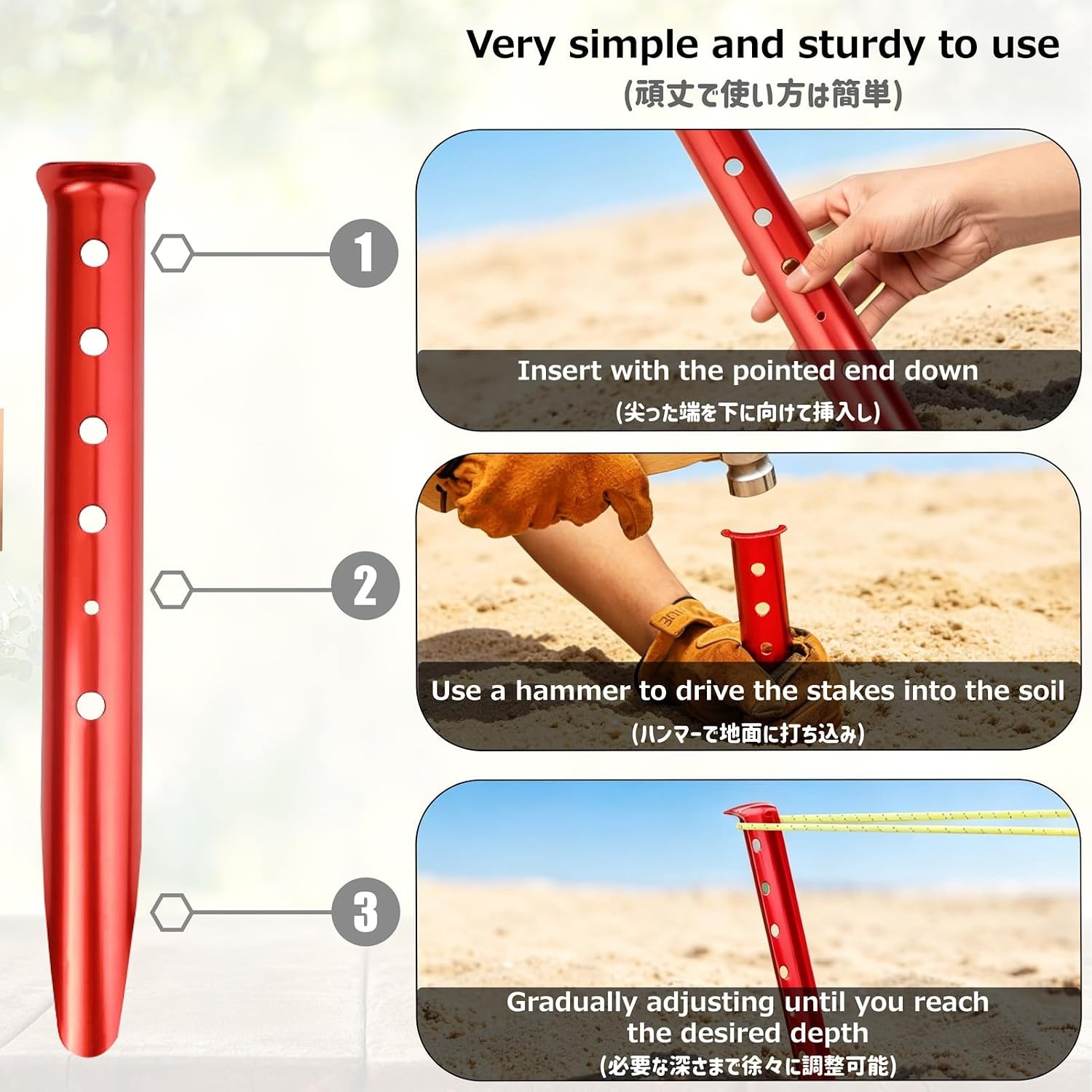
Can I hammer them in?

Light taps with a soft mallet are fine in soft ground. Avoid striking aluminum hard with a steel hammer, and never hammer them into hard or stony ground.

Do they bend easily?

Aluminum is softer than steel, so any aluminum peg can bend if forced into the wrong ground. Used as intended in sand, snow and soft soil they should hold shape. A mild bend can often be straightened by hand.

How do I clean them?

Rinse with fresh water after beach or snow use, especially to remove salt. Wipe off sand and mud with a cloth or soft brush and let them dry fully before packing away.

How should I store them?

Keep all six together in a small pouch or a side pocket of your tent bag. Loose stakes rattling against hard gear are the ones that end up bent or lost.

Are these suitable for backpacking?

At 52g each they are reasonable for a pack. Many backpackers carry two or three of these alongside lighter standard pins and swap in the wide blades only when the site turns soft.

Can kids handle them safely?

They are blunt compared with steel spikes, but they are still a metal blade with edges. Supervise younger children, and keep stakes flagged with a guy line so nobody trips over a low tie-out.

Do they come with a carry bag?

No bag is listed in the product details. A small drawstring pouch or a zip bag is a cheap addition and makes the set much easier to keep together.

Are they sold individually?

This listing is a pack of six. If you need more tie-out points, ordering a second pack is the straightforward option.

What is the country of origin?

The country of origin is not specified in this product record. The brand listed is Azarxis and the model number is 3316.

Is there a warranty?

No warranty terms are recorded for this listing on our side. Any manufacturer guarantee would be handled through the brand, and our own returns policy applies as normal.

How does delivery and returns work?

Orders ship once processed and you receive tracking by email. If something arrives damaged or incorrect, contact us with your order number and photos and we will sort it out.

What if they are not right for my setup?

If the stakes do not suit your tent or your usual ground, get in touch within the returns window with them unused and in their packaging. We will arrange a return or help you pick something better matched, such as a standard peg set for firm sites.

Snow and Sand Tent Stakes, A Practical Buyer's Guide

6 min read Camping Company

The problem with pegs on a beach

Anyone who has pitched a tent on sand knows the feeling. You push the pin in, it goes in beautifully, and then the first decent gust lifts the corner and the pin comes out with almost no resistance. You push it in deeper. Same result. By the third attempt you are piling rocks on the corners or burying your water bottles.

It is not a fault in your pegs. A standard round tent pin works because soil grips it. Clay, loam and turf all press back against the shaft, and that friction is what holds. Dry sand does not press back, it flows. Fresh snow behaves the same way. So the thin pin that works perfectly in a grassy field is close to useless the moment the ground turns loose.

Wide blade stakes change the geometry. Instead of relying on friction along a narrow shaft, they rely on the weight and resistance of the material sitting above and around a broad surface. The Azarxis stakes are 31cm long and 3.6cm wide, so each one presents a large face to the ground rather than a thin edge. That is the whole idea.

How a wide stake actually holds

Picture pulling a dinner knife straight up out of a bowl of flour. Easy. Now picture pulling a spatula out of the same bowl, laid flat. Much harder, because you are lifting everything sitting on top of it. That is the difference between a round pin and a blade.

In practice you can use these stakes two ways. Driven in vertically, they work in damp firm sand and in soft soil where the ground still has some body to it. The blade compresses the material beside it and the extra width stops the stake rotating under a side load. That is usually enough for a beach shade or a light tarp.

The second method is the one experienced campers reach for in dry sand and snow. You dig a shallow trench, tie your guy line around the middle of the stake, lay the stake flat in the trench, then pack sand or snow firmly over the top and stamp it down. This is called a deadman anchor, and the holding power is in a different league. In snow, give it five or ten minutes to sinter and the anchor becomes genuinely difficult to pull out by hand. The 31cm length is useful here because a longer buried object displaces more material.

Both methods benefit from spreading the load. Six anchor points sharing the pull will always outperform two anchors taking all of it, so use every tie-out your shelter has.

Weight, finish and the small details

Each stake weighs 52g, so all six come to about 312g. That is not nothing, but it is light enough that most people stop thinking about it. If you are counting grams on a long trip, a sensible approach is a mixed kit. Carry your usual thin pins for ordinary ground and three or four of these wide blades for the nights that turn out to be beach, river bar or snow.

The stakes are anodised. Anodising is an electrochemical process that grows a harder oxide layer on the aluminum surface. The practical payoff is better wear resistance, because a peg spends its life being shoved into grit and dragged back out, and that is abrasive work. Anodising also carries colour into the surface rather than sitting on top of it like paint, which is why the orange stays bright rather than flaking after a season.

That orange matters more than it sounds. Silver pegs vanish against pale sand and disappear completely in snow. Bright colour means you spot them at pack-up, you see them before you tread on one, and your set does not quietly shrink from six to four over a few trips. If you want to go further, tie a short loop of coloured cord through the head of each stake.

Where these stakes do not belong

This is the part worth reading twice. These are specialist stakes for loose ground. The supplier states plainly that they are not suited to hard land, stony ground or grassland. Aluminum is softer than steel, and a wide blade meeting a buried rock will bend or fold rather than push through.

So if your camping is mostly firm turf, gravel pads or rocky alpine sites, this set should not be your only pegs. Keep a set of steel or hardened pins for those, and treat the wide blades as the tool you bring out when the surface turns to sand, mud or snow. Most regular campers end up with two or three peg types in a bag for exactly this reason.

There is also a fitment note. The stakes are not suited to tents that use small needle loops at the four corners, because the head of a wide blade will not pass through a narrow loop designed for a thin pin. Have a quick look at your tent corners before ordering. Webbing loops, D-rings, guy line loops and canopy tie-out straps are all fine.

Choosing the right number

A pack of six covers a small tent neatly, four corners and two guy lines. If you run a three or four person tent with a full fly and multiple guy points, you will likely want a second pack. For a beach shade canopy, four corners plus two windward guys is a sensible minimum, and in anything above a light breeze you should add weight as well, such as a sandbag or a filled dry bag on each leg.

Think about where you actually camp. If sand is occasional, one pack carried as a supplement makes sense. If you camp on dunes, river flats or snow regularly, buy enough that every tie-out on your shelter has a proper anchor. Running out of good anchors at the worst moment is how shelters get damaged.

Looking after them

Care is simple and takes two minutes. Rinse the stakes in fresh water after beach or snow use, because salt left on metal is never helpful. Brush off caked sand or mud rather than scraping with something harder than aluminum. Let them dry before they go back in the bag so you are not sealing damp grit into a pouch for a month.

Keep the set together in a small pouch. Loose pegs rolling around in a tent bag knock against poles and each other, and those are the ones that come out bent. Before a trip, run your eye down each stake for bends and feel the head for burrs. A light bend can usually be eased straight by hand against your knee. A sharp kink means that stake has done its time.

When pulling stakes out of wet sand, rock them gently to break the suction and then lift. Do not haul on the guy line, and do not lever the blade against a rock, which is the quickest way to put a crease in it.

The short version

If you pitch on sand, soft soil or snow, thin round pins will let you down and no amount of pushing harder fixes it. Wide blade stakes work by holding a large volume of loose material instead of relying on friction. These are 31cm long, 3.6cm wide, 52g each, six to a pack, aluminum with an anodised finish in orange so you can find them again.

Use them vertically in damp firm sand, bury them flat as deadman anchors in dry sand and snow, and keep a separate set of harder pins for rocky or packed ground. Check your tent corner loops for fit, rinse the stakes after salt exposure, and store the six together. Do that and this is a small, light addition to your kit that quietly removes one of camping's most annoying problems.

Browse the shop

Not sure these suit your tent?

Tell us your shelter type and where you camp, and we will point you to the right peg set.

Ask us a question

Page summary

Azarxis aluminum snow and sand tent stakes, model 3316, sold as a pack of six. Each stake is 31cm long and 3.6cm wide and weighs 52g (1.84 oz), giving a total pack weight of roughly 312g. The stakes are made from aluminum with an anodising treatment for a harder, wear-resistant surface, and are finished in orange for visibility. The wide blade is designed for loose ground such as beach sand, soft soil and snow, where thin round pins pull out. The supplier states they are not suitable for hard, rocky or stony ground, or for tents using small needle loops at the corners. Country of origin and packaging dimensions are not specified in this record.