
The complete guide
How To Choose A Folding Camping Chair That You Will Actually Bring
The problem with camp seating
Everyone has done it at least once. You drive out, set up the tent, get the fire going, and then realise there is nowhere comfortable to sit. So you perch on an esky, or a log, or a rolled sleeping mat, and within twenty minutes your back is complaining. The food tastes the same, the view is the same, but the evening is shorter than it should have been because sitting became work.
The flip side is just as common. You buy a big steel-framed chair with cup holders and a padded headrest, use it twice, and then leave it at home because it eats half the boot and weighs more than the tent. A chair you do not bring is not a chair. It is storage.
A folding camping chair solves both problems when it hits the middle ground. Light enough that packing it is not a decision. Sturdy enough that you forget you are sitting on something that collapses into a bag.
How a packable chair works
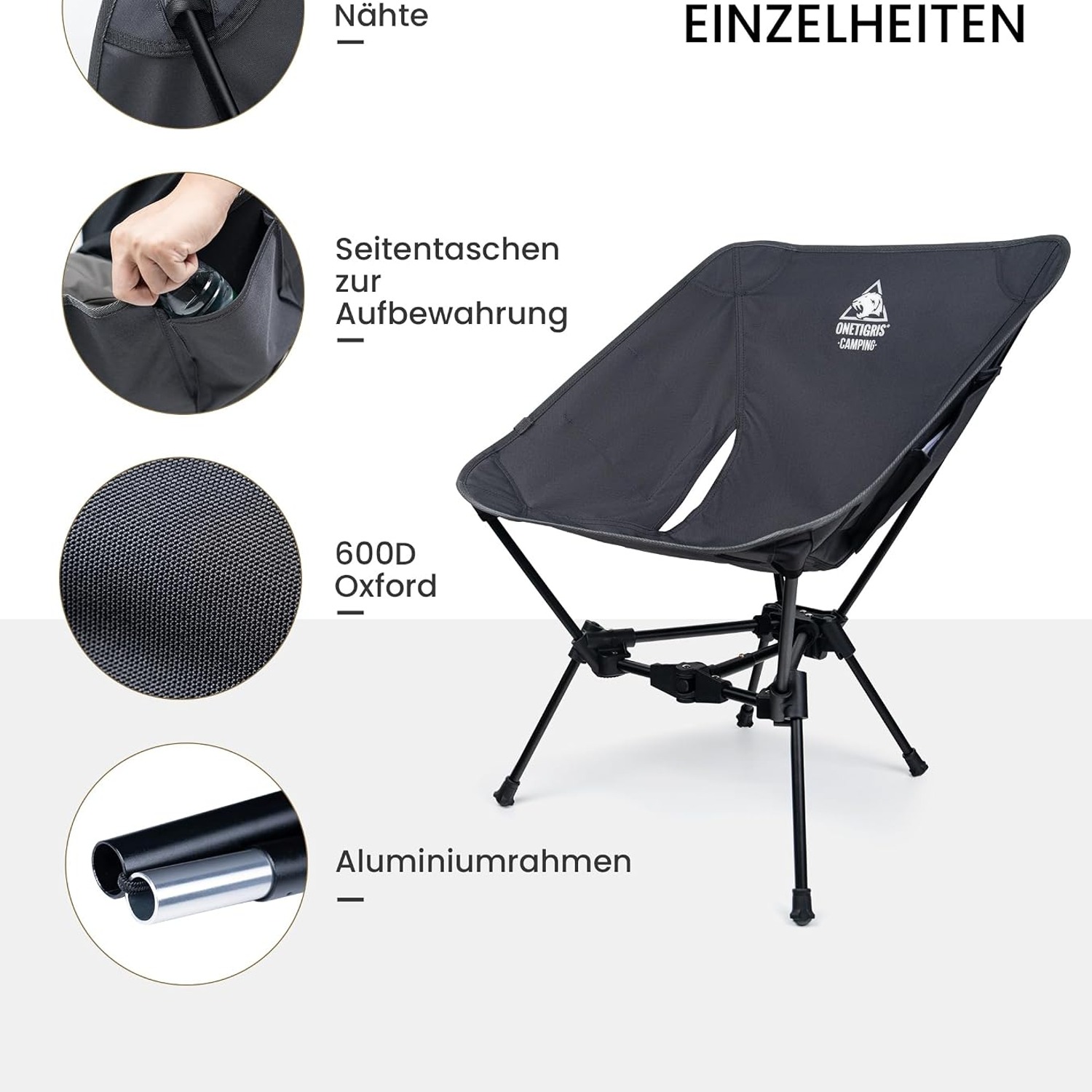
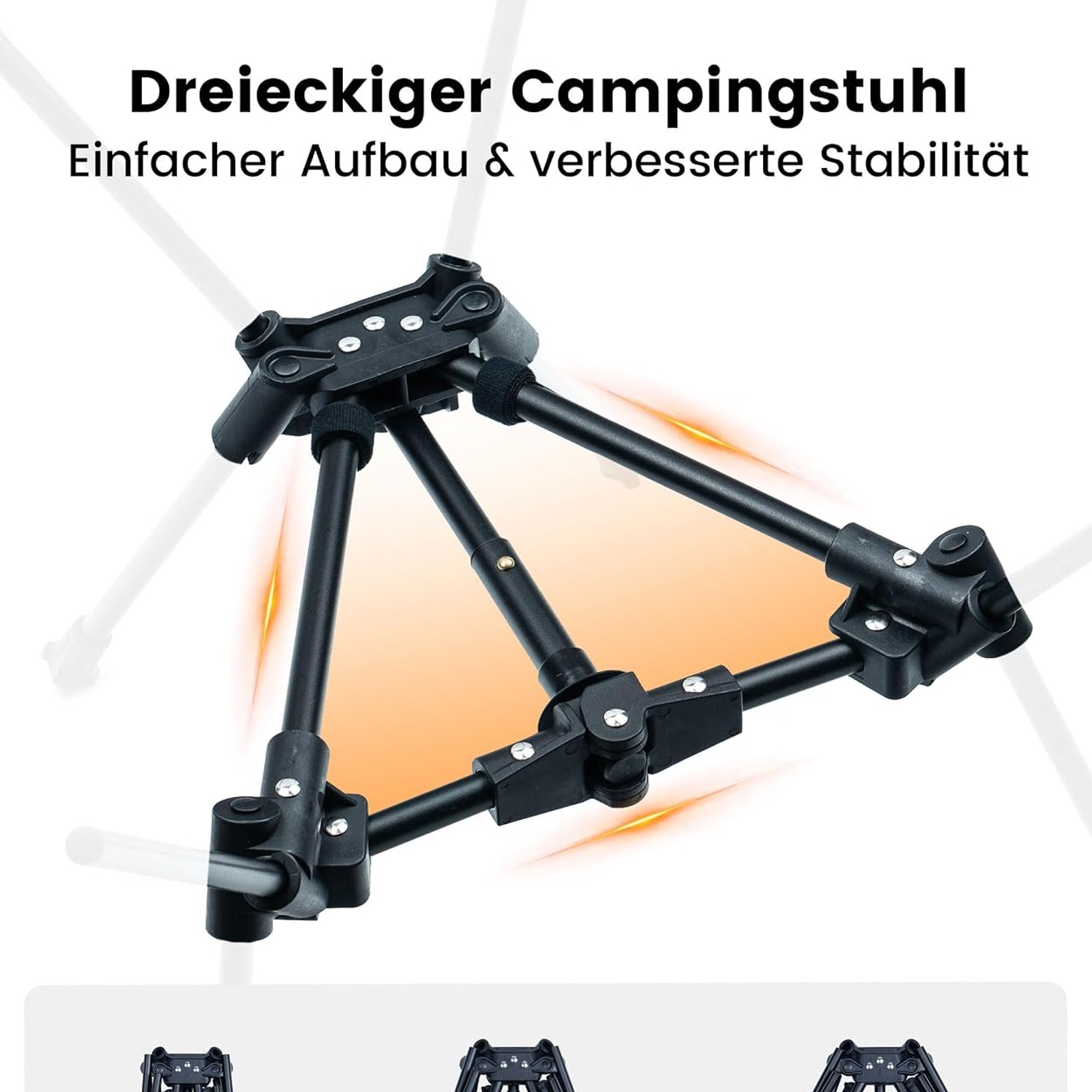
The design is simple once you see it. Sectioned aluminum poles connect into a frame, usually with shock cord running through them so the pieces stay together. A fabric seat with sewn pockets at each corner slips over the pole ends and gets pulled taut. Your weight pulls the fabric down, the fabric pulls the poles together, and the whole thing becomes rigid. It is the same idea that makes a tent pole arch hold its shape.
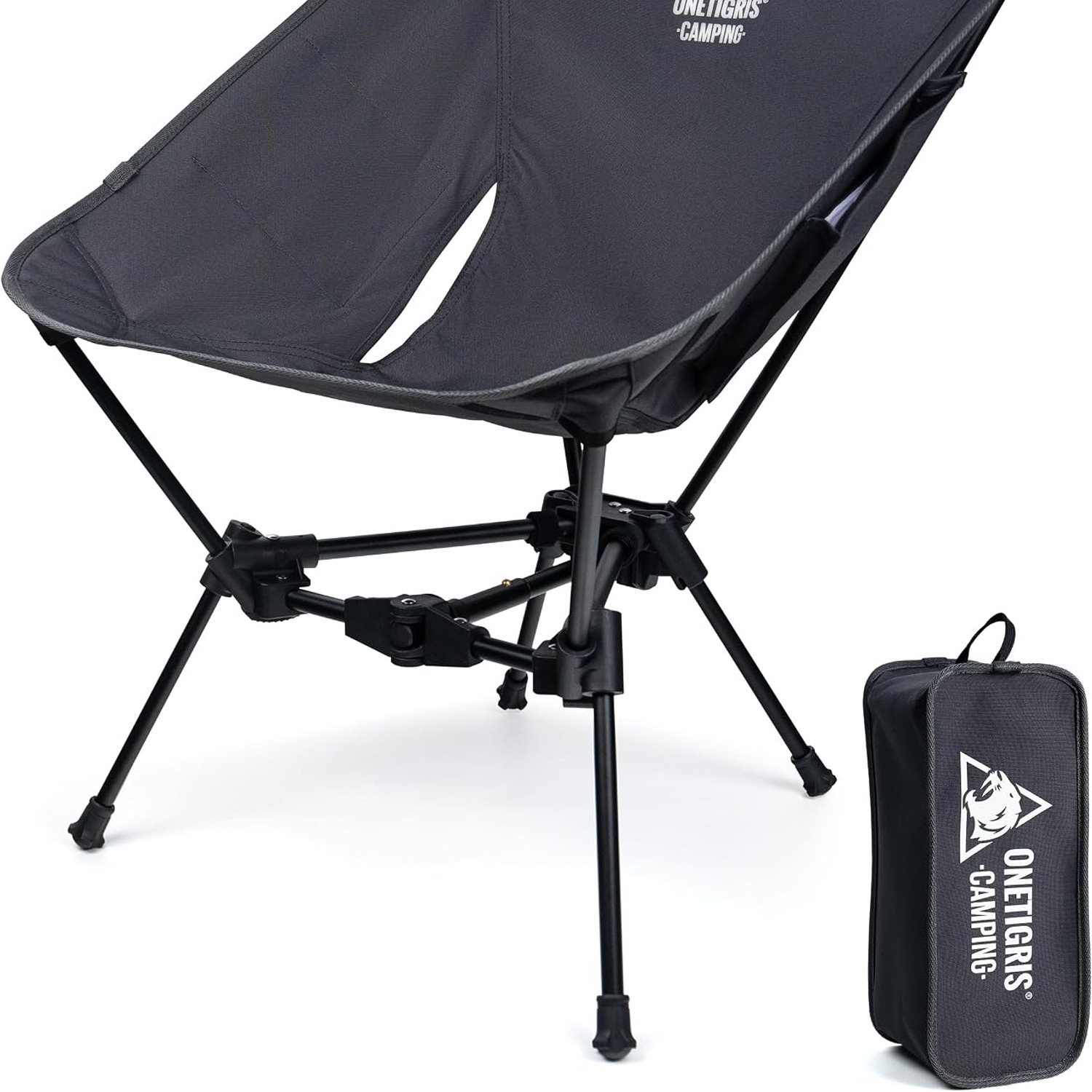
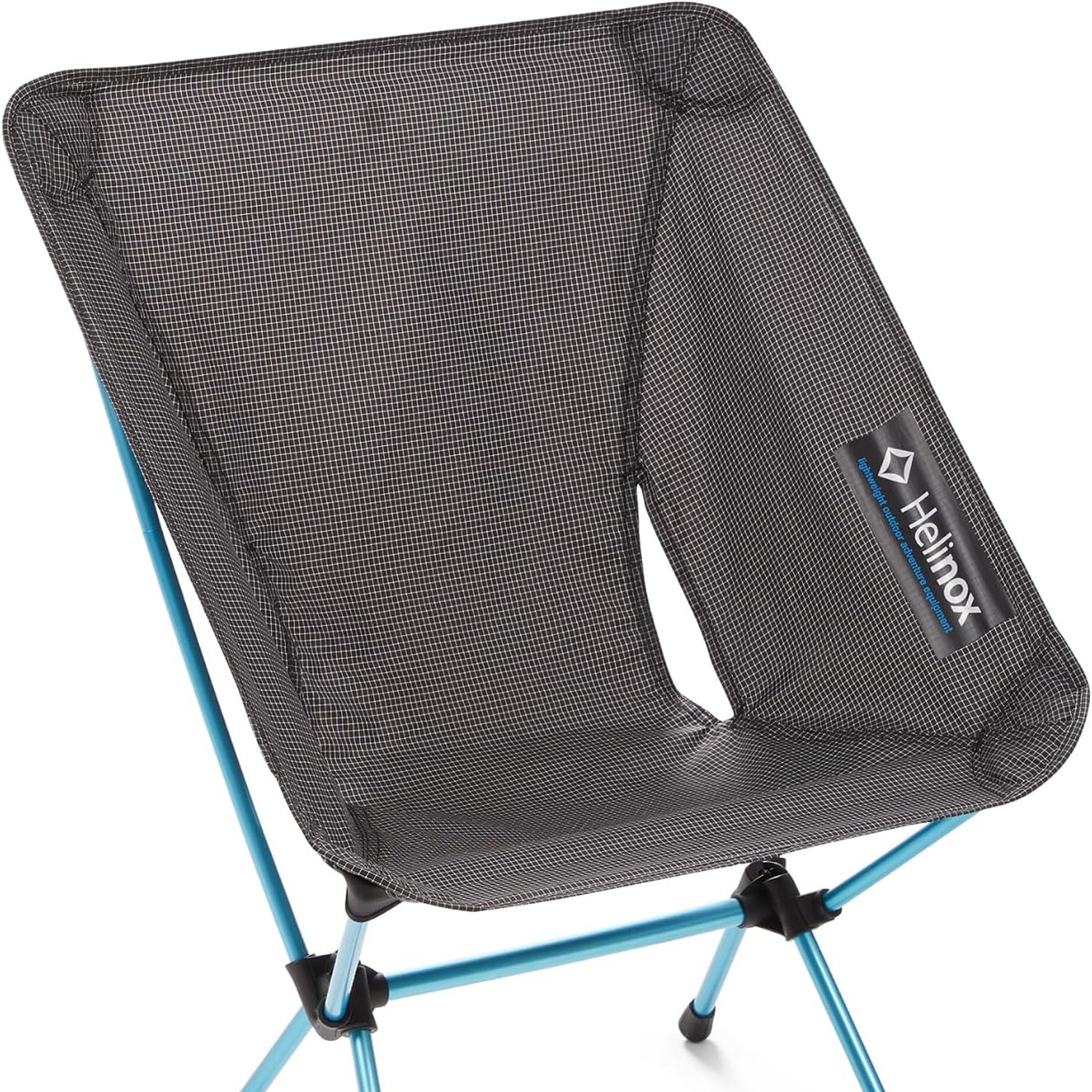
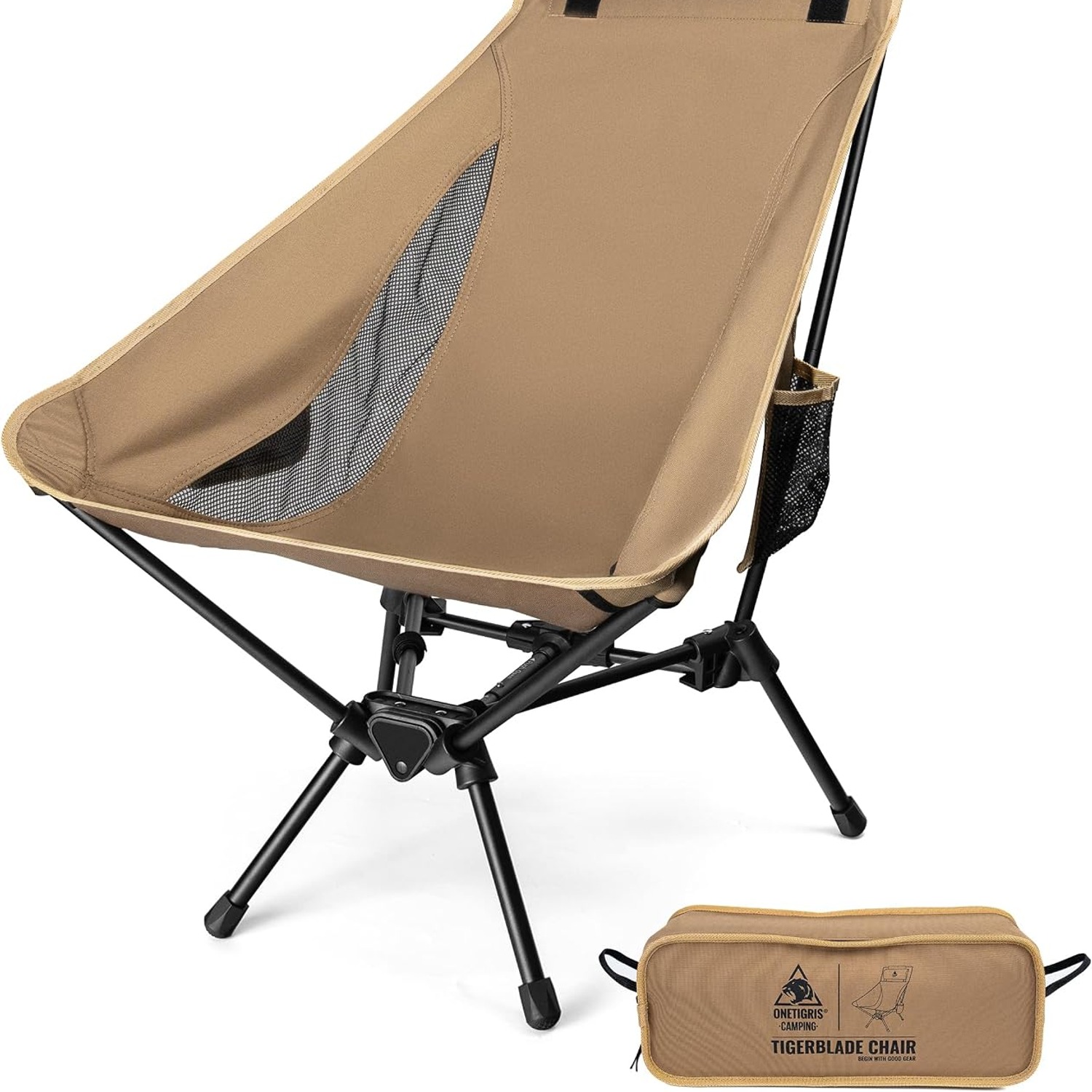
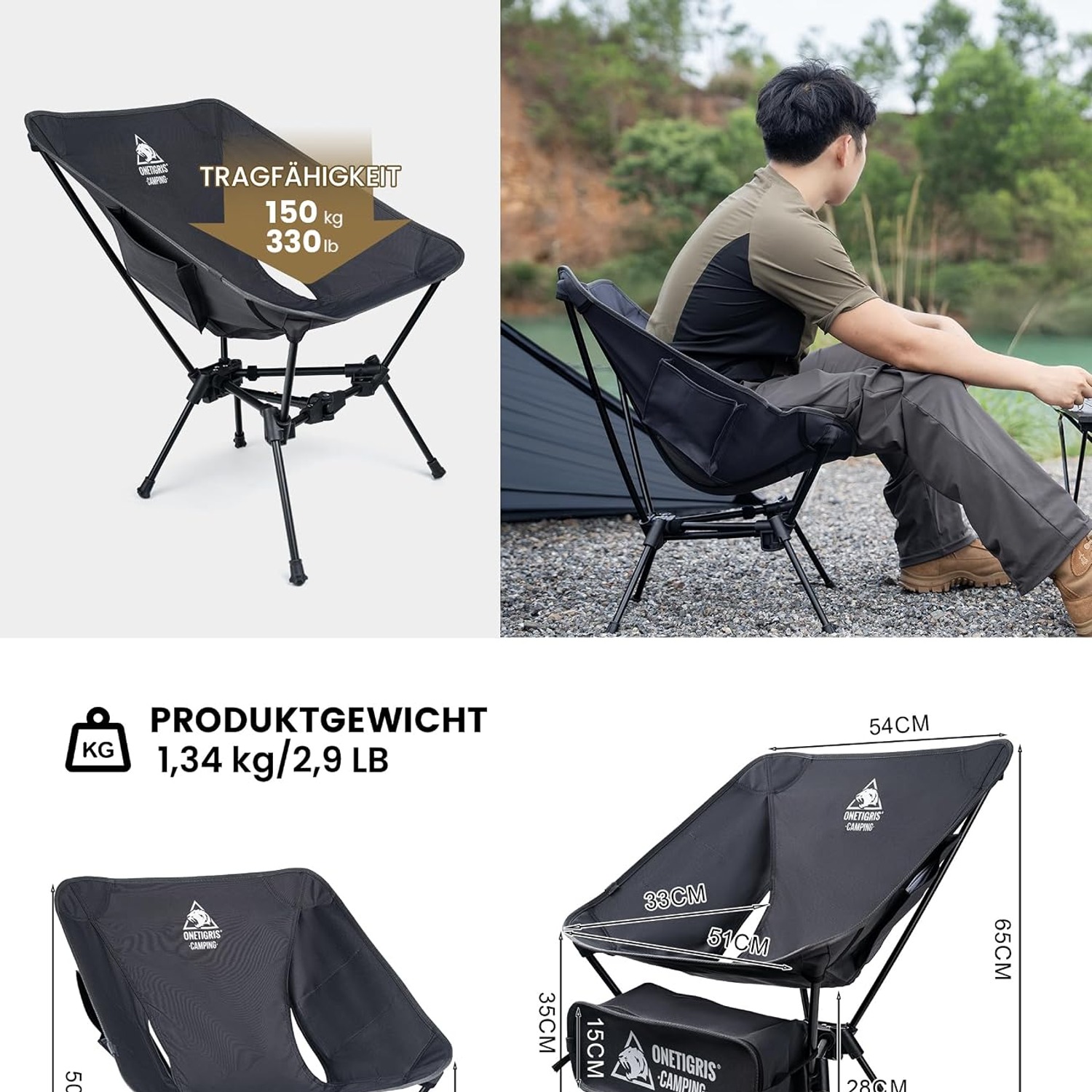
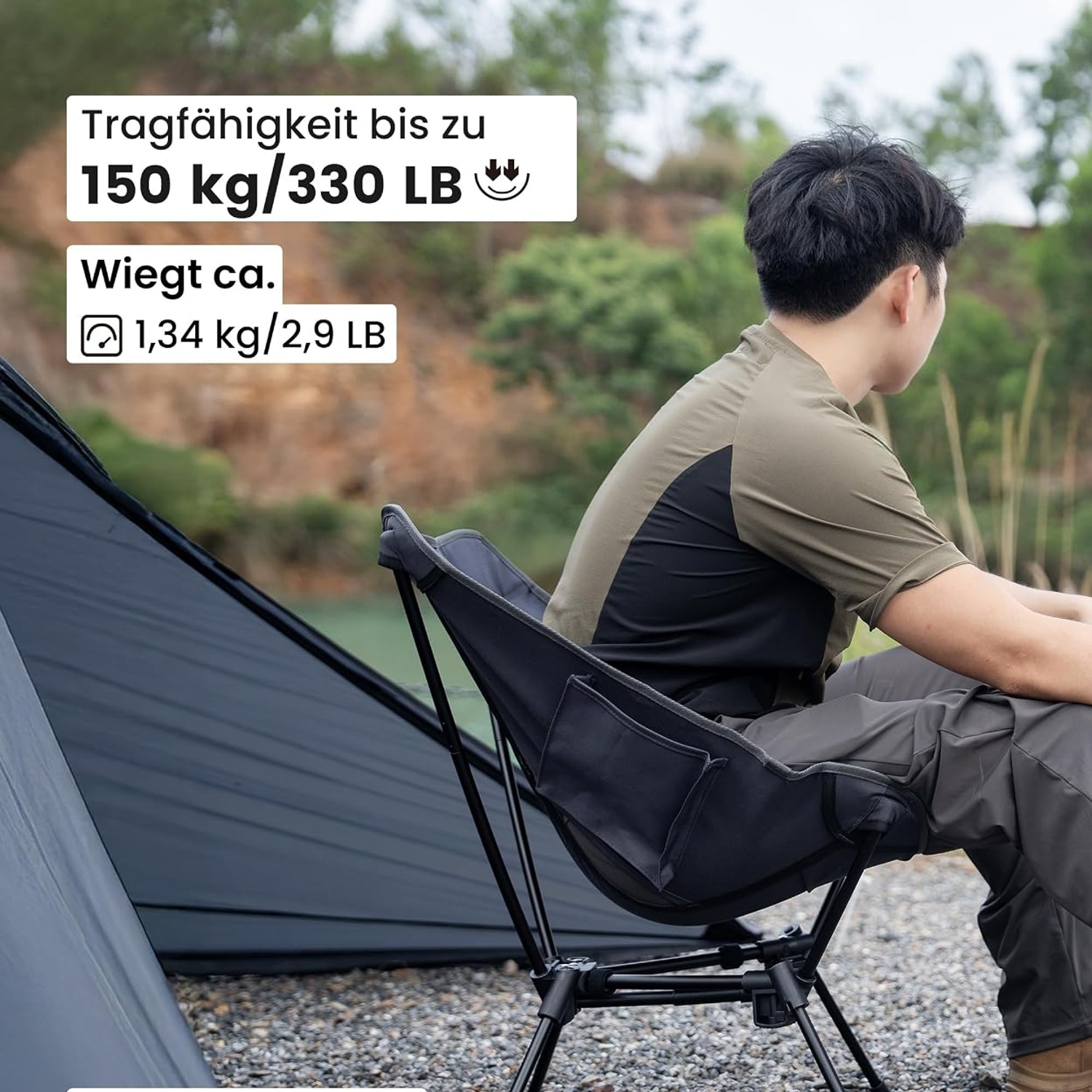
This chair uses an aluminum frame and a polyester seat, with flattened legs where the frame meets the ground. The flat profile spreads the load a bit more than a round tube would, which helps on grass and softer ground. There is one seating position, a solid back and no armrests. The maximum recommended weight is 150 kg and the whole chair weighs 1.4 kg.
The two side pockets are a small thing that changes how you use the chair. Phone, keys, head torch, bottle cap, a packet of biscuits. Everything you would otherwise put on the ground has somewhere to live at arm height.
Who it suits
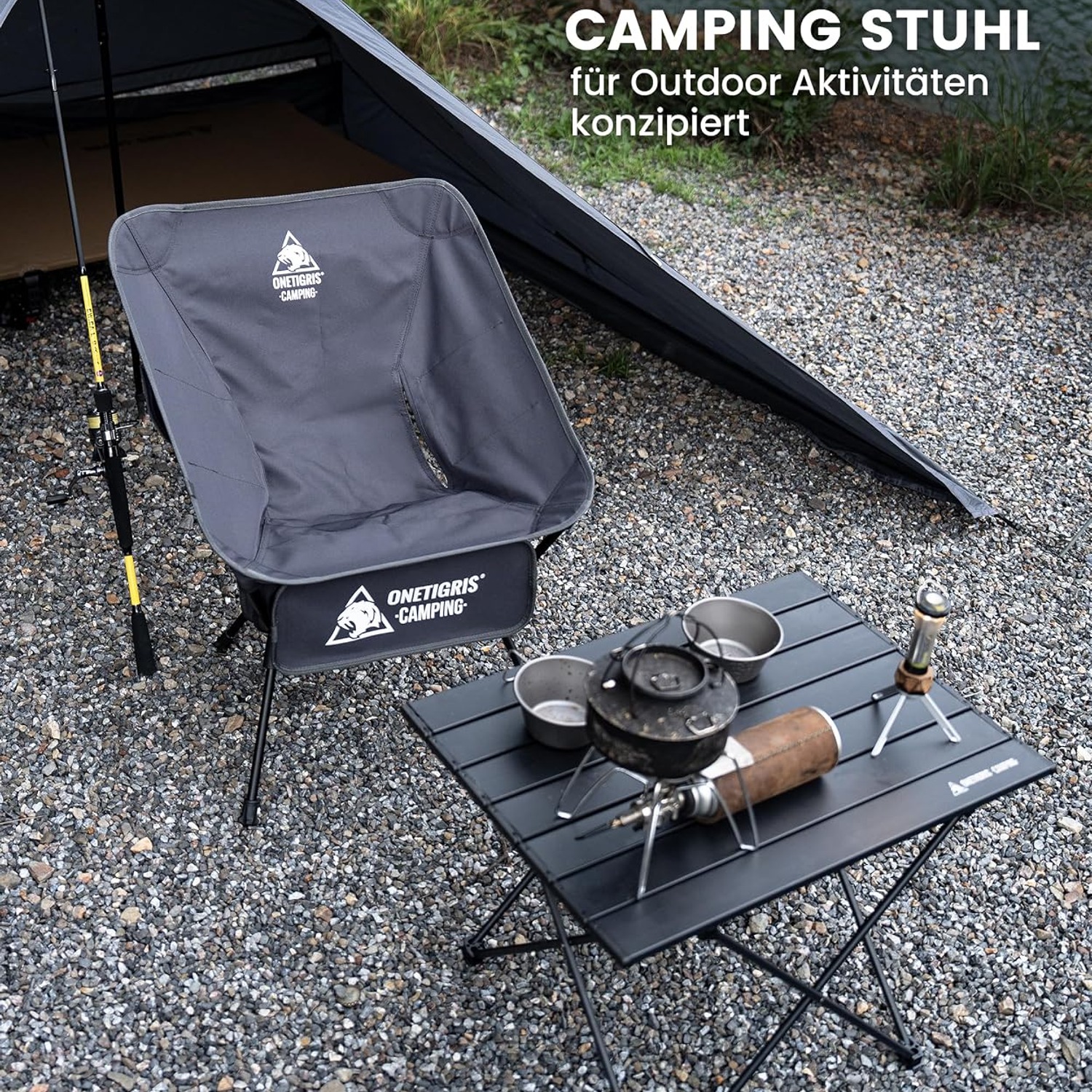
Car campers get the most obvious benefit. The chair lives in the trunk year round, comes out at the campsite, the beach, the park or the sideline of a Saturday morning sports game, and goes back in its bag without taking over the car.
Walkers and paddlers who carry gear in are the other big group. A 1.4 kg chair is a real consideration on a hike-in trip, but if the plan involves sitting around for an evening rather than racing between huts, most people decide it earns its place. On a canoe or kayak trip where weight matters less than bulk, it is an easy call.
Anglers often like an armless chair because nothing gets in the way of casting or netting. Gardeners use them for the same reason they use kneelers, somewhere to sit between jobs without walking back to the house. Festival and event crowds appreciate anything that packs small and carries easily across a car park.
It is less suited to someone who wants a deep lounger to nap in, or to anyone who needs arms to push up from when standing. There is no recline adjustment, so if you picture reading at a 45 degree angle, this is not that chair.
How to choose
Start with weight, because it drives everything else. Ask yourself the honest question, how far will I carry this? If the answer is from the boot to the picnic table, almost any chair works. If the answer involves a track and a pack, every hundred grams matters and a 1.4 kg chair starts to look very reasonable.
Then look at capacity. The 150 kg maximum recommended weight here covers most adults with margin. Treat that number as a limit rather than a target, and avoid flopping down hard, which puts a sharp load on the joints.
Think about seat height next. This chair stands 65 cm high overall, which puts the seat in the lower, more reclined zone typical of packable designs. Some people love sitting low near a fire. Others, especially taller users or anyone with stiff knees, prefer a higher seat that is easier to stand from. Measure a dining chair at home for comparison and you will know straight away which camp you are in.
Pack size matters for storage as much as transport. This one folds into the supplied bag, so the poles stay together and nothing rattles loose in the trunk. A chair without a bag always ends up with one leg under the spare tire.
Finally, count your chairs. The package contains one chair and one bag. Families and couples need multiples, and it is worth sorting that before the trip rather than discovering it at the campsite.
Setting it up without the fuss
The first assembly is the slow one. Lay the poles out, let the shock cord pull the sections together, and build the frame before you touch the fabric. Then work the seat corners onto the pole ends, doing the two tightest corners last. There is usually a moment where it feels like the fabric will not reach. It will. A firm, steady push gets the final corner seated.
Do this once in the backyard before you leave. Learning any new piece of gear in the dark with a torch in your teeth is how things get broken.
Taking it down is the reverse, and it is faster. Pop the seat corners off, let the frame fold, and slide everything into the bag. Keeping the bag with the chair at all times is the single best habit you can build.
Looking after it
Polyester is forgiving. Wipe spills with a damp cloth and a little mild soap, then let the chair dry in the open position before folding. The gray colour hides the usual campsite dust better than a pale fabric would, but it still appreciates an occasional clean.
After beach trips, shake sand out of the frame joints. Grit in a pole section is what turns a smooth assembly into a fight. A freshwater rinse after salt exposure is worth two minutes, because while aluminum does not rust like steel, salt left sitting on metal and stitching does no favours.
Store it dry. Packing a damp chair into a closed bag is the fastest way to end up with marks and a musty smell. If you got caught in rain, open it at home for a few hours before it goes away.
Check the frame before each trip. Look for any pole section that does not seat fully, and check the fabric corners for wear. Catching a small problem at home beats discovering it three hours from the nearest shop.
The short version
This is a 1.4 kg folding camping chair on an aluminum frame with a polyester seat, rated to a maximum recommended weight of 150 kg. It is armless, has a solid back, one seating position, two side pockets, and it packs into the included storage bag. Set up, it measures 33 cm deep by 51 cm wide by 65 cm high.
Buy it if you want a seat that is light enough to actually bring, small enough to live in the car, and comfortable enough that you stay by the fire instead of heading to the tent early. Look elsewhere if you want armrests, adjustable recline or a high seat. For most people packing for a weekend outdoors, that trade is an easy one to make.