Camping Company
Company
Shop By Category
T&Cs
Shop Online
  • Clear materials and product specifications
  • Free tracked Canada-wide delivery over C$150
  • 14-day returns

Tent Footprint | Waterproof Camping Tarp | Ground Sheet Tarp

Waterproof Tent Footprint Tarp

C$62.99 C$75.99 Save C$13
  • 420D Oxford Build
  • Waterproof Finish
  • Only 367 Grams
  • Grommet Eyelets

Price: C$62.99 C$75.99

  • Free tracked Canada-wide delivery on orders C$150+, otherwise a flat C$20
  • Pay by card or PayPal, handled by the payment provider
  • 14 days to change your mind, plus your statutory rights
Product specifications
BrandAzarxis
Model NumberAZ-OS0108
Manufacturer Part NumberAZ-OS0108GR-M
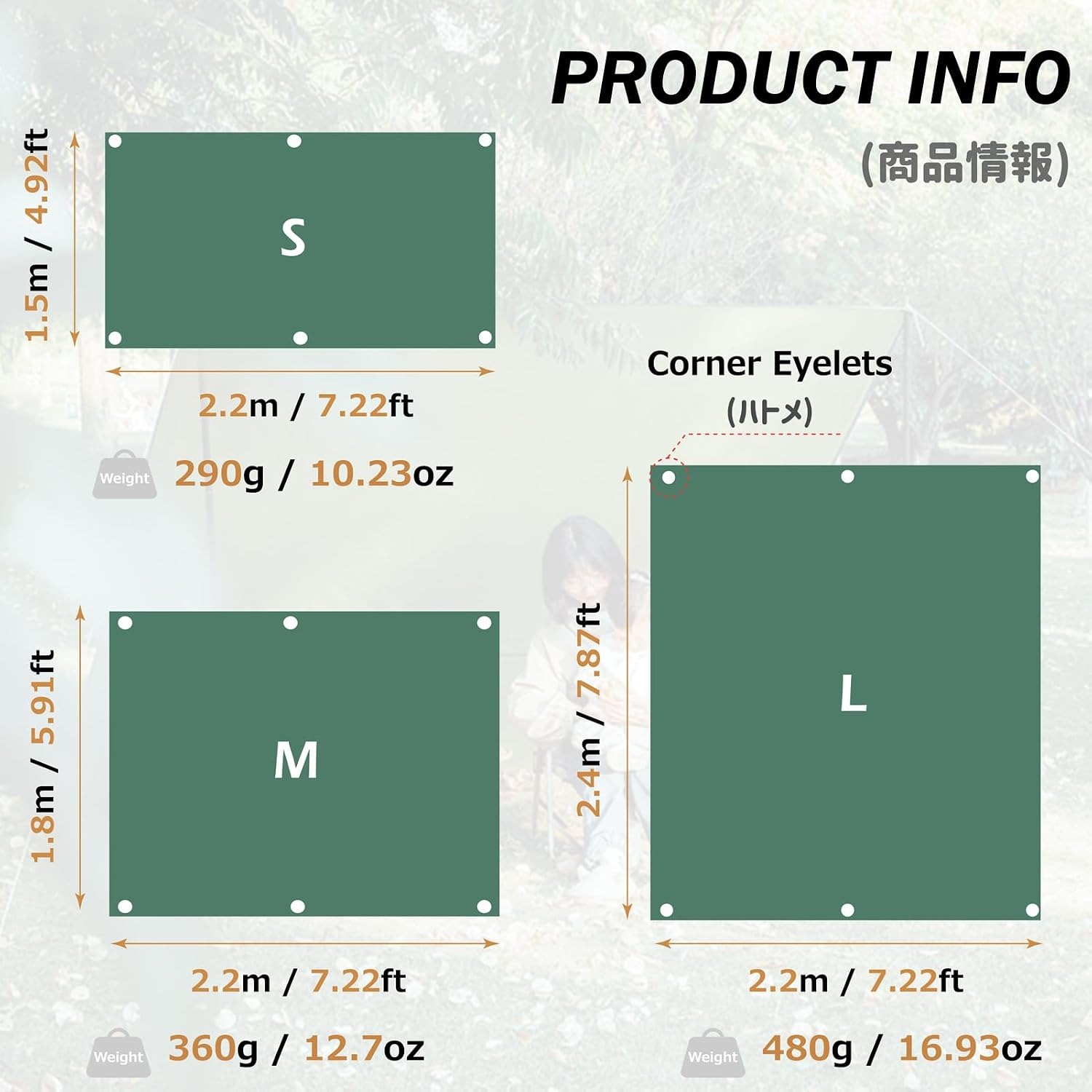
SizeMedium, 1.8 x 2.2 m
Item Dimensions (L x W)2.2 m x 1.8 m
MaterialOxford
Colour01 Army Green
Water Resistance LevelWaterproof
UV ProtectionNot rated
Item Weight367 g
Included ComponentsFoldable footprint, storage pouch
Number of Items1
Recommended UsesCamping, hiking, picnic, blanket, shelter
UPC605244311242
Weight367 g
Shipping & returns

Tracked delivery anywhere in Canada. It is free on orders of C$150 or more, and a flat C$20 below that.

If it is not right for you, send it back within 14 days of delivery in resaleable condition and we refund the price you paid, including standard delivery. That is a voluntary policy we offer on top of your legal rights. You cover the cost of returning it unless the item is faulty.

If it arrives faulty, damaged or not as described, we put it right at no cost to you under the consumer protection law of your province or territory (for example the Ontario Consumer Protection Act, 2002), return postage included.

Shipping details · Refunds and returns

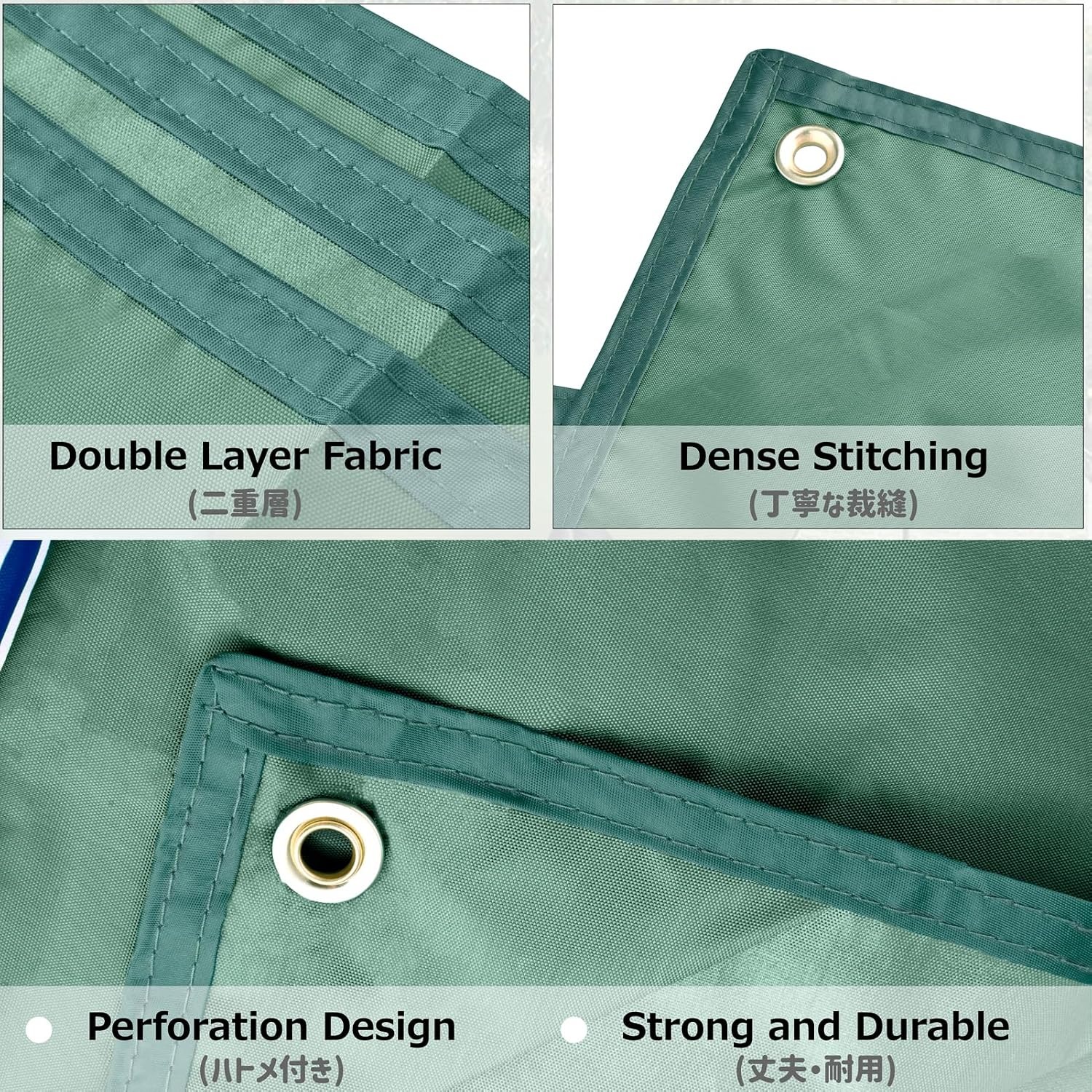
420D Oxford BuildTough woven fabric that stands up to grit, twigs and repeat packing.
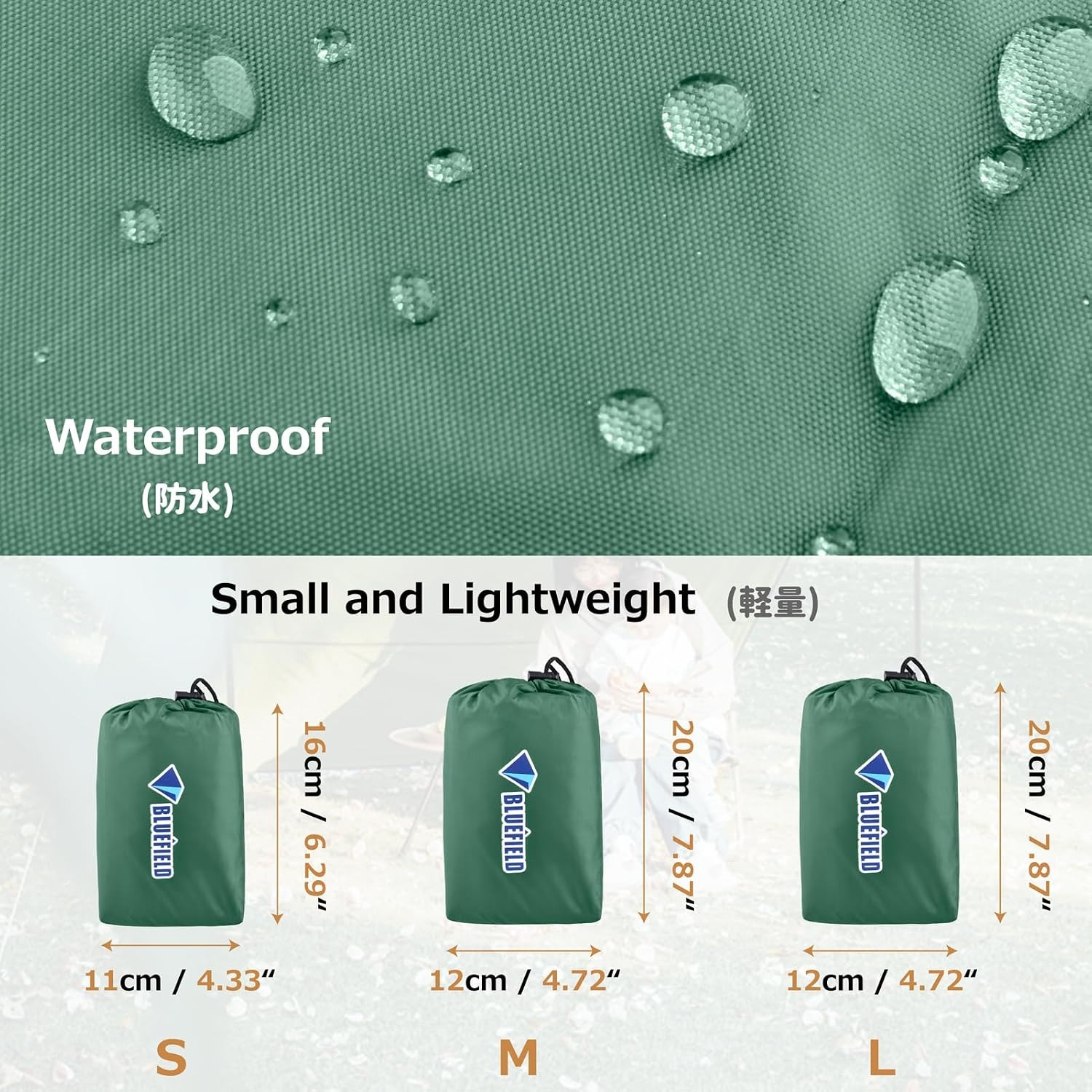
Waterproof FinishKeeps ground moisture away from your tent floor and your gear.
Only 367 GramsLight enough to carry on a hike and packs into its own pouch.
Grommet EyeletsMetal eyelets let you peg it flat or rig it as a shade awning.

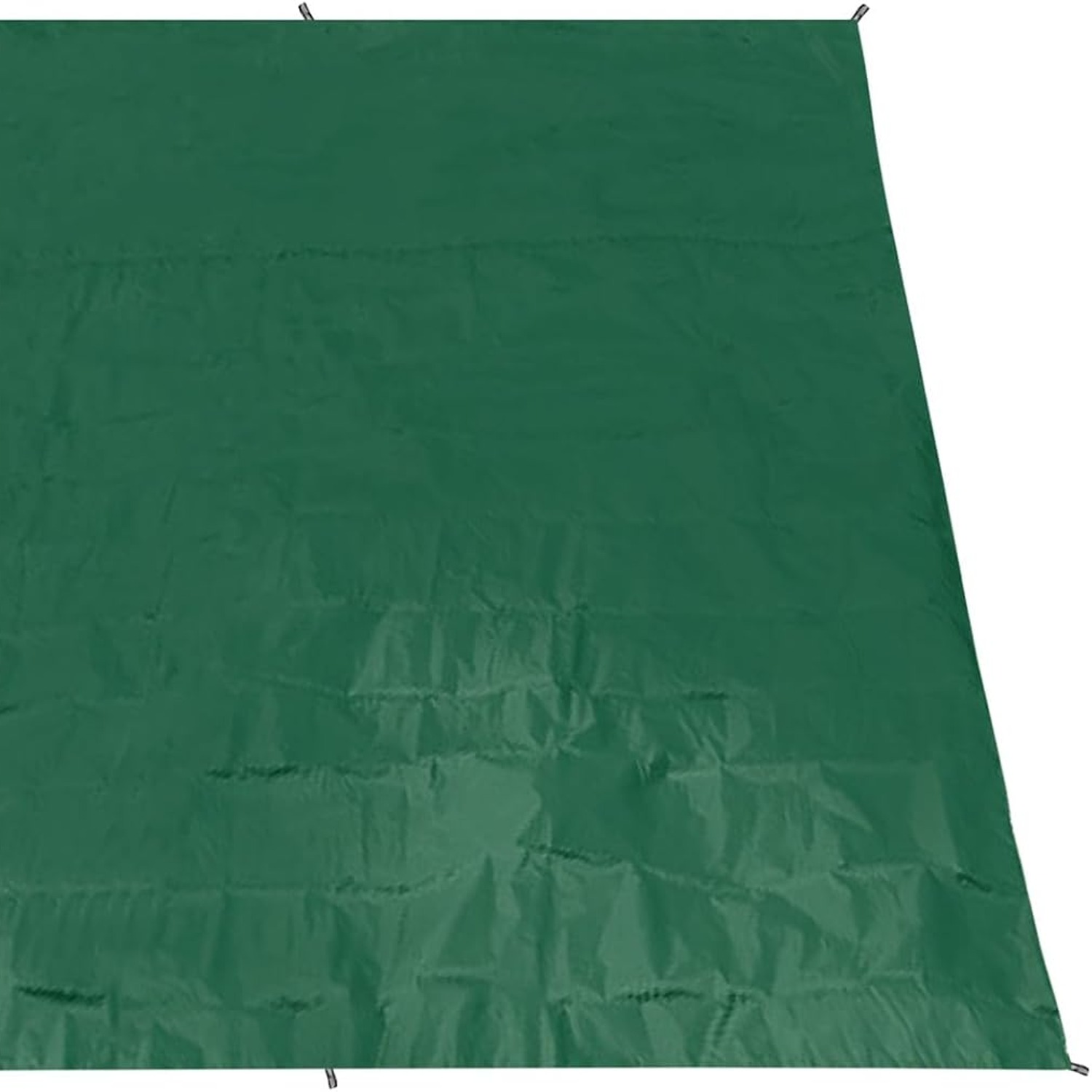
Put a tough waterproof camping tarp between your tent floor and whatever the ground is hiding.

Made from 420D Oxford fabric with a waterproof finish and metal grommet eyelets, this 1.8 x 2.2 m tent footprint packs into its own pouch and weighs just 367 grams.

A 1.8 x 2.2 m tent footprint that sits under your tent and takes the abrasion your tent floor would otherwise cop.

Made from 420D Oxford cloth with a waterproof treatment, so damp ground stays on the outside.

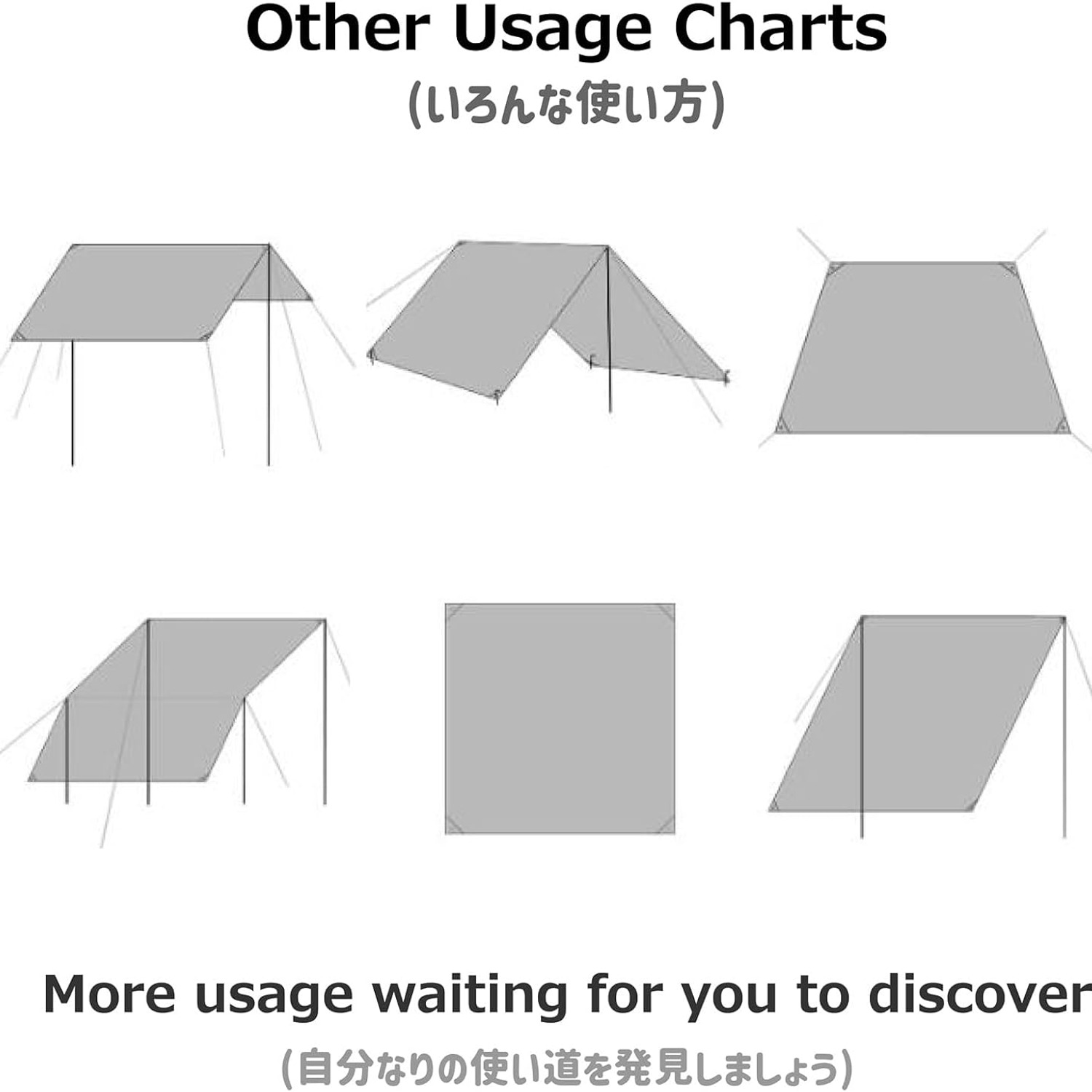
Metal grommet eyelets along the edges let you stake it down flat or string it up as a simple sun canopy.

Folds down small and comes with a storage pouch, with the whole thing weighing 367 grams.

Useful well beyond camping, for picnics, beach days, gear sorting and covering kit in the back of a vehicle.

Waterproof Tent Footprint Tarp

A tent floor is usually the thinnest part of a tent, and it takes the worst treatment. It gets dragged across gravel, pressed into sticks, and left sitting on wet grass all night. A separate groundsheet between the floor and the dirt changes that. This footprint is cut to 1.8 x 2.2 m, which suits most two to three person tents, and it takes the wear so the tent does not have to.

Waterproof Tent Footprint Tarp

The fabric is 420D Oxford, a woven polyester with a tight weave and a waterproof treatment. It has enough body to resist small stones and twigs without being stiff or heavy, and it does not go papery and brittle the way a thin plastic sheet does after a few trips. At 367 grams it is a reasonable carry even when you are counting grams, and it folds into the included pouch so it is not flapping loose in your pack.

Waterproof Tent Footprint Tarp

Metal grommet eyelets are set around the edge. That small detail opens up a lot of uses. Peg it taut under the tent so it cannot flap or collect puddles, or run guylines through the eyelets and pitch it overhead between trees or poles for shade and light rain cover. On a beach day it works as a clean surface to sit on, and in a car park it works as a mat to kneel on while you sort gear.

Waterproof Tent Footprint Tarp

Setting it up takes about a minute. Unfold the tarp, lay it flat where the tent will go, and tuck any edge that sticks out beyond the tent footprint back underneath. That last step matters. An exposed lip catches rain and funnels it under your tent, which is exactly the thing you bought the groundsheet to prevent.

Waterproof Tent Footprint Tarp

Care is simple. Brush off sand and soil, wipe it down with cool water when it gets muddy, and let it dry completely before it goes back in the pouch. Treated the right way a sheet like this outlasts several tents, which is a fair argument for keeping one permanently in the camping box.

Not sure yet? That is fine.

Camping gear has to suit your trip and your climate, and you cannot always judge that from a photograph. If it is not right for you, send it back within 14 days of delivery in resaleable condition and we refund the price you paid, including standard delivery. That is a voluntary policy we offer on top of your legal rights.

If it turns up faulty, damaged or not as described, that is on us. The consumer protection law of your province or territory covers you, and we pay the return postage. Read the full detail on our refunds and returns page, or ask us anything before you order.

Frequently Asked Questions

What exactly is a tent footprint?

It is a protective sheet of fabric that goes under your tent, between the tent floor and the ground. Its job is to take the abrasion and the ground moisture instead of your tent. It is one of the cheapest ways to extend the life of an expensive tent.

What size is this tarp?

This is the medium size, 1.8 metres wide by 2.2 metres long. That suits most two person and many three person tents. Measure your tent floor before ordering so you know how it will sit.

What is it made from?

Oxford fabric, which is a tightly woven polyester. The manufacturer describes it as 420D with a waterproof treatment. It has more body than a cheap plastic sheet and handles repeat folding better.

Is it actually waterproof or just water resistant?

The water resistance level is listed as waterproof. In practice that means ground moisture and light rain sit on the surface rather than soaking through. Water can still get in from the edges if the sheet sticks out past your tent, so tuck the edges under.

How much does it weigh?

It weighs 367 grams. That is light enough to carry on a multi day hike, and barely noticeable if you are car camping. It is one of the lighter options among the best tent footprint choices for shared loads.

Does it come with a bag?

Yes, a storage pouch is included along with the foldable footprint. The pouch keeps it folded and stops it unrolling loose in your pack. It also keeps damp fabric away from clothing and sleeping gear.

What colour is it?

It is listed as 01 Army Green. The muted shade blends into bush and grass settings and does not show every mark the way a pale fabric would.

Are there eyelets for pegs?

Yes, there are metal grommet eyelets around the edge. You can stake it flat through them or thread guylines to pitch it overhead. Pegs and guylines are not included.

Can I use it as an overhead shade tarp?

Yes. Run cord through the grommets and tie off to trees, poles or a vehicle. It gives shade and sheds light rain, though it is not a substitute for a proper storm fly in bad weather.

Will it fit under a four person tent?

Possibly not fully. At 1.8 x 2.2 m it is sized toward two and three person tents. For a larger tent you may want the bigger size, or accept that it covers the main sleeping area only.

Can it stick out past the edge of my tent?

It is better if it does not. An exposed lip collects rain and channels it under the tent floor. Fold any overhang back underneath so the sheet is slightly smaller than the tent base.

Does it have UV protection?

Ultraviolet light protection is listed as not applicable for this item. It will give physical shade when rigged overhead, but there is no rated UV blocking figure. Treat it as shade fabric, not sunscreen.

Is it suitable for a picnic blanket?

It works well for that. Lay it on grass or sand and the waterproof side keeps damp off. Shake it out and wipe it down afterwards and it is ready for the next use, which makes it one of the handier picks for a best picnic ground mat.

Will it work on the beach?

Yes. Sand brushes off the smooth face easily, and the grommets let you peg down the corners against breeze. Rinse off salt water when you get home so it does not sit on the fabric.

Can I sleep directly on it without a tent?

You can use it as a ground layer under a sleeping mat for a tarp camp or a bivvy setup. It will block ground damp but gives no insulation or bug protection on its own. Pair it with a sleeping mat for comfort.

How do I clean it?

Shake off loose dirt, then sponge it with cool water and a little mild soap for mud or spills. Rinse and hang it to dry. Skip bleach, solvents and hot water, which can damage the waterproof treatment.

Can I put it in the washing machine?

It is better not to. Machine agitation and detergent can wear the coating and stress the grommets. Hand cleaning with a sponge does the job and is kinder to the fabric.

Can I tumble dry it?

No. Heat can damage the waterproof finish. Hang it over a line, a fence or the tent itself and let it air dry fully before folding.

What happens if I pack it away wet?

It will not rot the way cotton canvas does, but it can develop a musty smell and surface mildew. If you have to pack it damp on the trail, unfold and dry it as soon as you get home. A dry sheet also folds much smaller.

How small does it pack down?

It folds into the supplied pouch and sits comfortably inside a daypack or alongside your tent poles. Exact packed dimensions are not specified in this record, but at 367 grams the bulk is modest.

Will sharp sticks go through it?

Oxford fabric resists small stones, grass stubble and twigs well. A sharp rock or a broken branch under full body weight can still puncture any groundsheet. Clear the pitch properly before laying it down.

Can I repair a small hole?

Yes. Clean and dry the area, then apply a fabric repair patch or waterproof tape to both sides. Small repairs done early stop a pinhole becoming a tear.

Is it good for hiking or just car camping?

Both. The 367 gram weight and the included pouch make it realistic for a hike, and it is equally at home thrown in a car trunk. Many people rate a light sheet like this among the best lightweight tent tarp options for mixed use.

Can I use it to cover gear?

Yes. Drape it over bikes, firewood, packs or a load in a ute tray and peg or tie through the grommets. The waterproof face sheds overnight dew and light showers.

Does it work as a windbreak?

Rigged vertically between two poles it will cut wind at a camp kitchen or seating area. Tension it well and use guylines through the grommets, because loose fabric flaps and strains the eyelets.

Is this a good gift for a camper?

It is a practical one. A spare groundsheet is something many campers want but put off buying, and it fits any tent brand. It also packs flat, which makes it easy to post or wrap.

How long will it last?

With reasonable care, several seasons. Keeping it clean, drying it before storage and clearing sharp debris from the pitch are the three things that make the biggest difference. It will usually outlast the tent it protects.

Does it include pegs or guylines?

No. The included components are the foldable footprint and the storage pouch. Use the pegs from your tent kit or add a set of cord and stakes if you plan to rig it as a canopy.

How soon will it be delivered?

Dispatch and delivery times depend on your location and are shown at checkout. You will get tracking details by email once the order leaves the warehouse. Remote addresses may take a few extra days.

What if it is not right for my tent?

If the size does not suit or the item is not what you expected, contact us within the returns window with your order number. As long as it is unused and in its pouch we will arrange a return or exchange for a different option. Tell us your tent model and we can point you to a better fit.

Tent Footprints and Ground Tarps: How to Choose and Use One

6 min read Camping Company

The problem with pitching straight onto dirt

Most tents fail from the bottom up. The fly can be ten years old and still shed rain, but the floor gives out first, because the floor is the part being ground into gravel every single trip. You drag the tent into position, you kneel on it while threading poles, a kid runs in with boots on, and all of that happens on a surface full of stones, sticks and grass stubble.

Then there is water. Ground moisture does not need rain to show up. Grass holds dew, sand holds the tide from six hours ago, and clay holds whatever fell last week. A tent floor pressed flat under your body weight will eventually wick that damp through at the pressure points, which is why people wake up with a wet patch under their hips and blame the tent.

A separate sheet underneath solves both problems at once. It takes the abrasion, and it puts a waterproof barrier between the dirt and your floor. It costs a fraction of a tent and it is far easier to replace.

How a footprint actually works

There is nothing clever going on. A footprint is a flat panel of tough, coated fabric laid where the tent will stand. The tent goes on top. The sheet absorbs the rubbing, the puncturing and the moisture.

The fabric matters more than anything else. This one is 420D Oxford, a woven polyester with a waterproof treatment. The "D" refers to denier, a measure of yarn thickness, and 420D sits in the sturdy range for a groundsheet. It is heavier than the ultralight silnylon sheets that hikers use, and far tougher than a builder's plastic sheet. It also survives folding. Thin plastic creases, goes white along the fold lines, and splits after a dozen trips. Woven fabric does not.

The second thing that matters is the eyelets. Metal grommets set around the edge mean the sheet can be pegged flat so it does not slide or flap, and it means the same sheet can be hung overhead as a simple sun or rain cover. That double duty is the reason a lot of people carry one even when their tent already has a floor they trust.

Getting the size right

This is the medium, at 1.8 x 2.2 m. It is a natural match for two person tents and many three person tents.

The rule that trips people up is that your footprint should be the same size as your tent floor or slightly smaller. Never larger. If the sheet pokes out past the edge of the tent, rain running down the fly lands on that exposed lip and runs straight underneath you. You end up with a shallow bath between the two layers, which is worse than having no footprint at all.

So measure your tent floor. If the sheet is a bit bigger on one side, fold the excess back under. It takes five seconds and it is the single most useful habit with any groundsheet.

If you run a large family tent, the medium may only cover the sleeping area. That can still be worth doing, since the sleeping zone is where the pressure and the damp matter most, but go up a size if you want full coverage.

Who this suits

Car campers get the most obvious benefit. You are already carrying a heavy tent, so 367 grams is nothing, and the sheet means you can pitch on a gravel site without wincing.

Hikers and cycle tourers care about weight, and this sits in a reasonable band. It is heavier than a cut-down polycryo sheet but considerably tougher, which is the right trade if you pitch on rocky or scrubby ground. Anyone looking for a good hiking tarp shelter can also use the grommets to rig it as an overhead tarp on a fine night and skip the tent altogether.

Families and day trippers will probably use it as much away from camping as at camp. It is a clean surface for a picnic, a mat for a beach day, a cover for firewood, and a place to lay out gear when you are sorting the car at a trailhead.

Four wheel drivers and festival goers use them as awning fabric and ground mats. The grommets make it easy to lash to a roof rack, a pole or a fence line.

Choosing between types

If you are comparing options, here is how the main groundsheet styles stack up.

Brand-specific footprints cut to match one tent model are the neatest fit and usually the most expensive. They are sized exactly to the floor and often clip into the tent poles.

Generic woven tarps like this one cost less, fit a range of tents, and can be rigged overhead. They are the practical middle ground, and for most people the best camping ground sheet is a generic sheet in roughly the right size rather than a branded one.

Plastic sheeting from a hardware store is the cheapest and the shortest lived. It works for one season, tears at the corners, and has no eyelets.

Ultralight film sheets weigh almost nothing and suit gram counters on soft ground, but they puncture easily and offer no real second use.

Pitching it properly

Clear the ground first. Thirty seconds of kicking away sticks and stones does more for the life of your gear than any fabric spec. Then lay the sheet out, square it to where the tent will go, and peg the corners through the grommets if it is breezy. Pitch the tent on top, then check the edges one last time and fold in any overhang.

If you are using it overhead instead, pick two solid anchor points, thread cord through the corner grommets, and build in a slope so water runs off one side rather than pooling in the middle. A sagging tarp with a puddle in it will stretch the fabric and strain the eyelets.

Looking after it

Keep it clean and keep it dry. Shake out sand and soil before it goes in the pouch. If it is muddy, sponge it with cool water and a little mild soap, rinse, and hang it until it is completely dry. Do not bleach it, do not tumble dry it, and keep it clear of campfire sparks, because synthetic fabric melts rather than chars.

Store it loosely folded in the supplied pouch somewhere dry. If you have to pack it damp on the trail, unfold it the moment you get home. A sheet that is dried properly after every trip will see out more than one tent.

Small holes are worth fixing straight away. Clean the spot, dry it, and patch both sides with waterproof repair tape. Left alone, a pinhole turns into a tear the next time you drag the sheet across gravel.

The short version

A footprint is a cheap piece of fabric that protects an expensive piece of fabric. This one is 1.8 x 2.2 m of 420D Oxford with a waterproof finish, metal grommets around the edge, and a weight of 367 grams including nothing you do not need. It goes under a two or three person tent, folds back under at the edges, and spends the rest of its life as a picnic mat, a shade tarp or a gear cover.

Buy the size that matches your tent floor, keep the edges tucked in, dry it before you store it, and it will quietly do its job for years.

Browse the shop

Not sure which size suits your tent?

Send us your tent model and floor measurements and we will tell you which groundsheet fits best.

Ask us a question

Page summary

The Azarxis waterproof tent footprint tarp (model AZ-OS0108, part AZ-OS0108GR-M) is a medium-size camping groundsheet measuring 1.8 x 2.2 metres. It is made from Oxford fabric, listed by the manufacturer as 420D, with a waterproof treatment, and is supplied in army green. The item weighs 367 grams and ships with a foldable footprint plus a storage pouch. Metal grommet eyelets allow it to be staked flat under a tent or rigged with guylines as an overhead shade tarp. Recommended uses include camping, hiking, picnics, use as a blanket, and basic shelter. UV protection is listed as not applicable. Country of origin and packed dimensions are not specified in this record.