
The complete guide
How to Choose a Soft Cooler That Actually Keeps Things Cold
The problem with most cooler bags
Nearly everyone has owned a bad cooler. The sort you buy at a service station on the way to the beach, pack full of ice, and then open three hours later to find a bag of lukewarm water and a sandwich swimming in it. The drinks are drinkable, barely. Nobody wants the chicken.
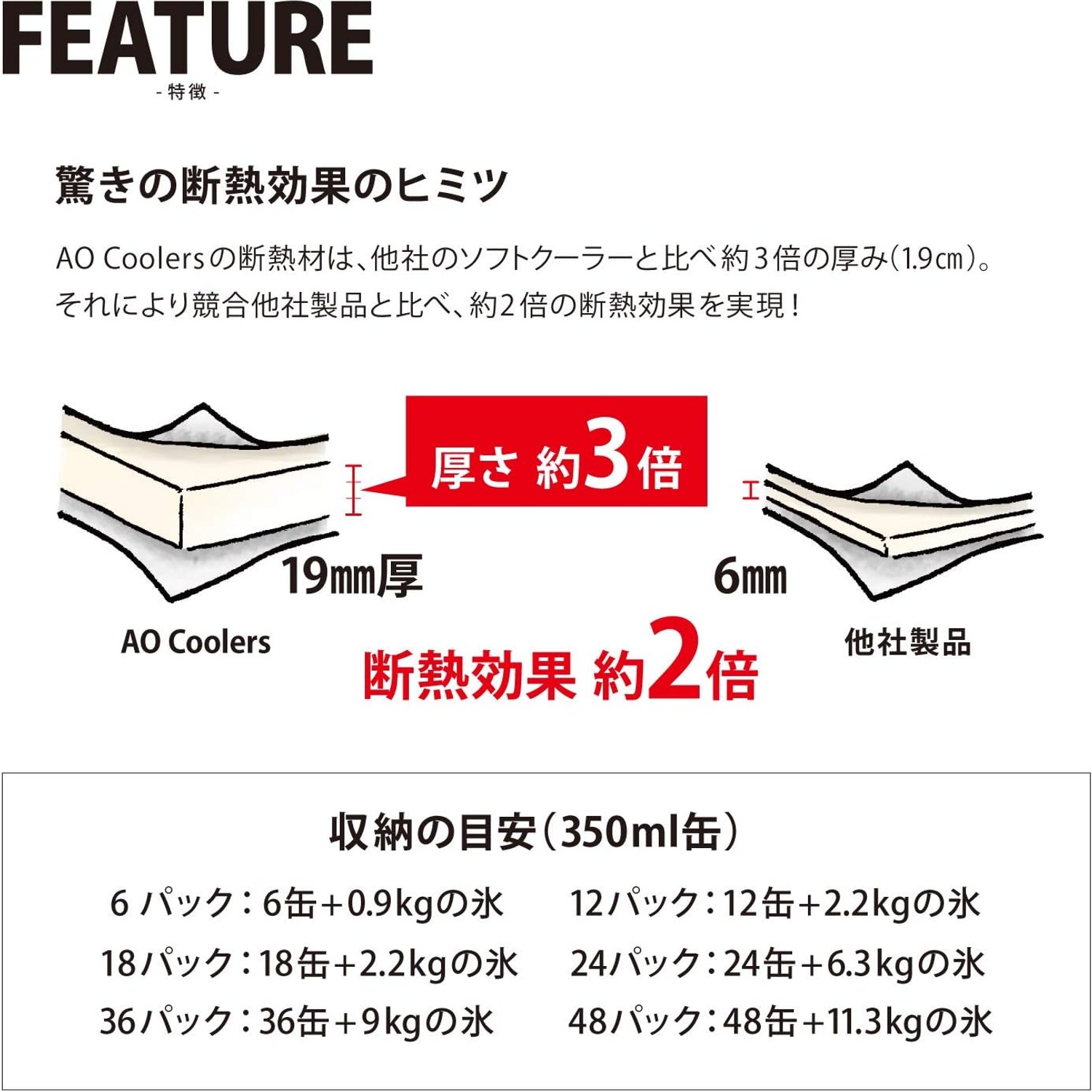
The reason is almost always the same. Cheap bags use thin foil-backed foam, a few millimetres thick, with a seam-sewn lining that lets melt water wick into the fabric. There is nothing much standing between the ice and the summer air. Once the ice is gone, the bag is just a bag.
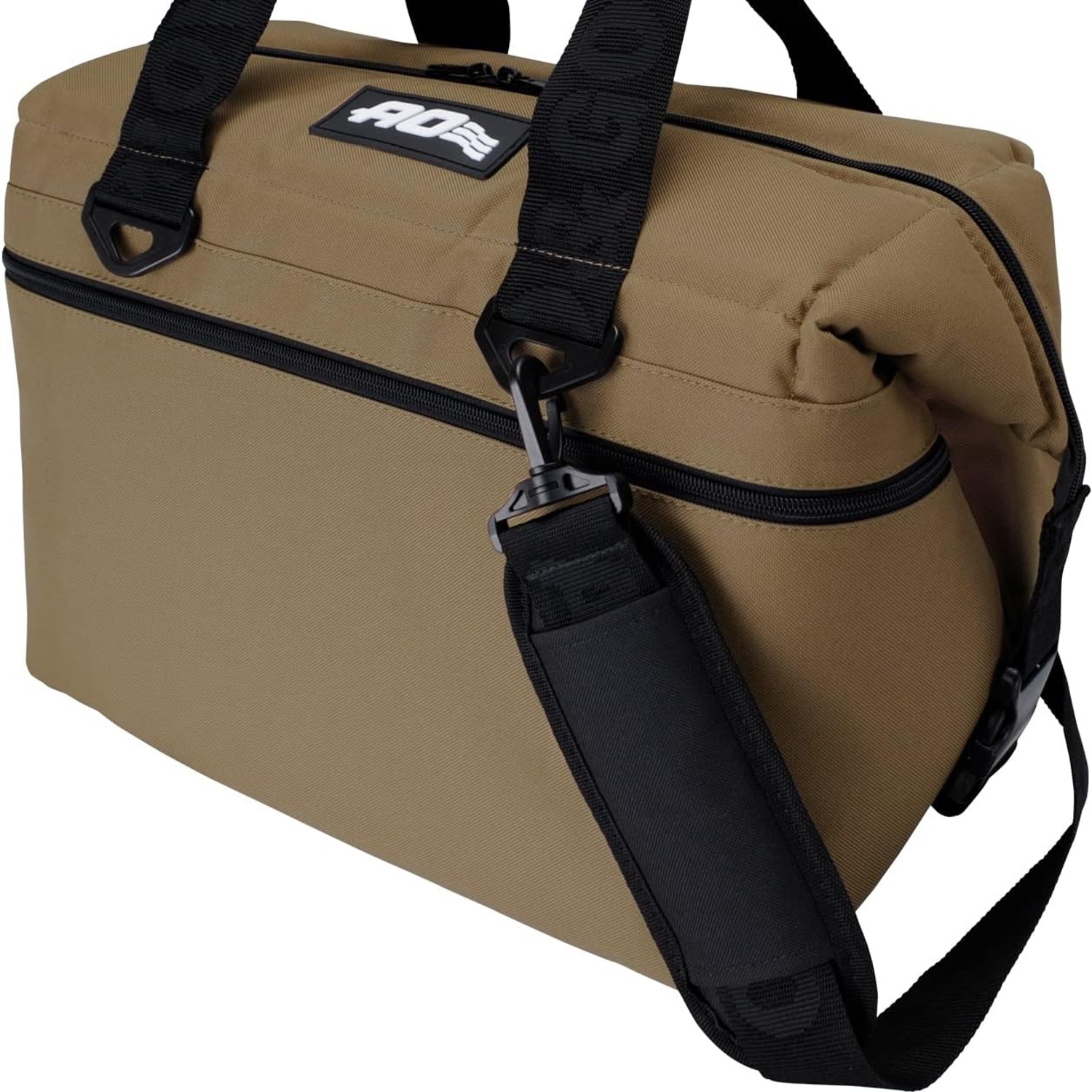
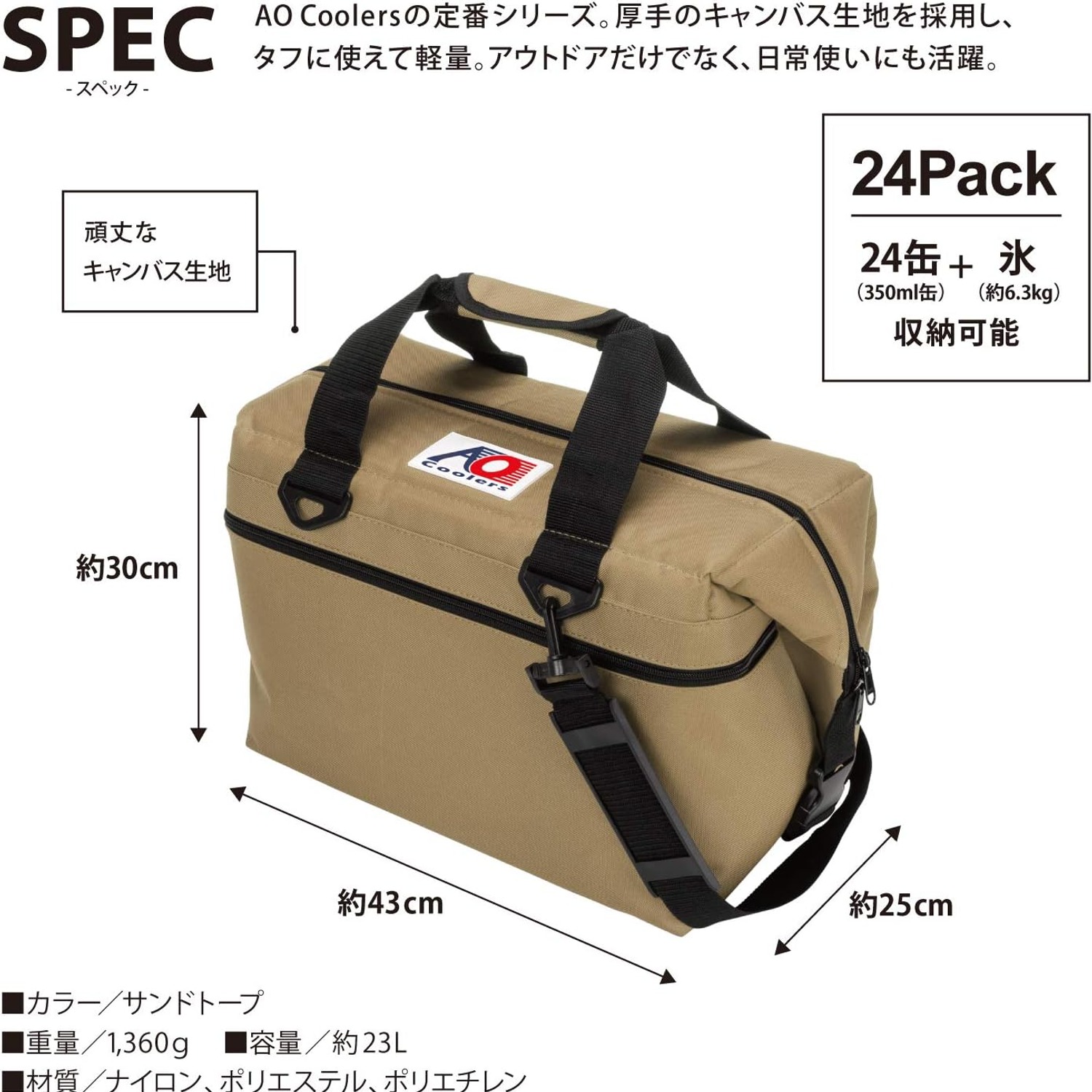
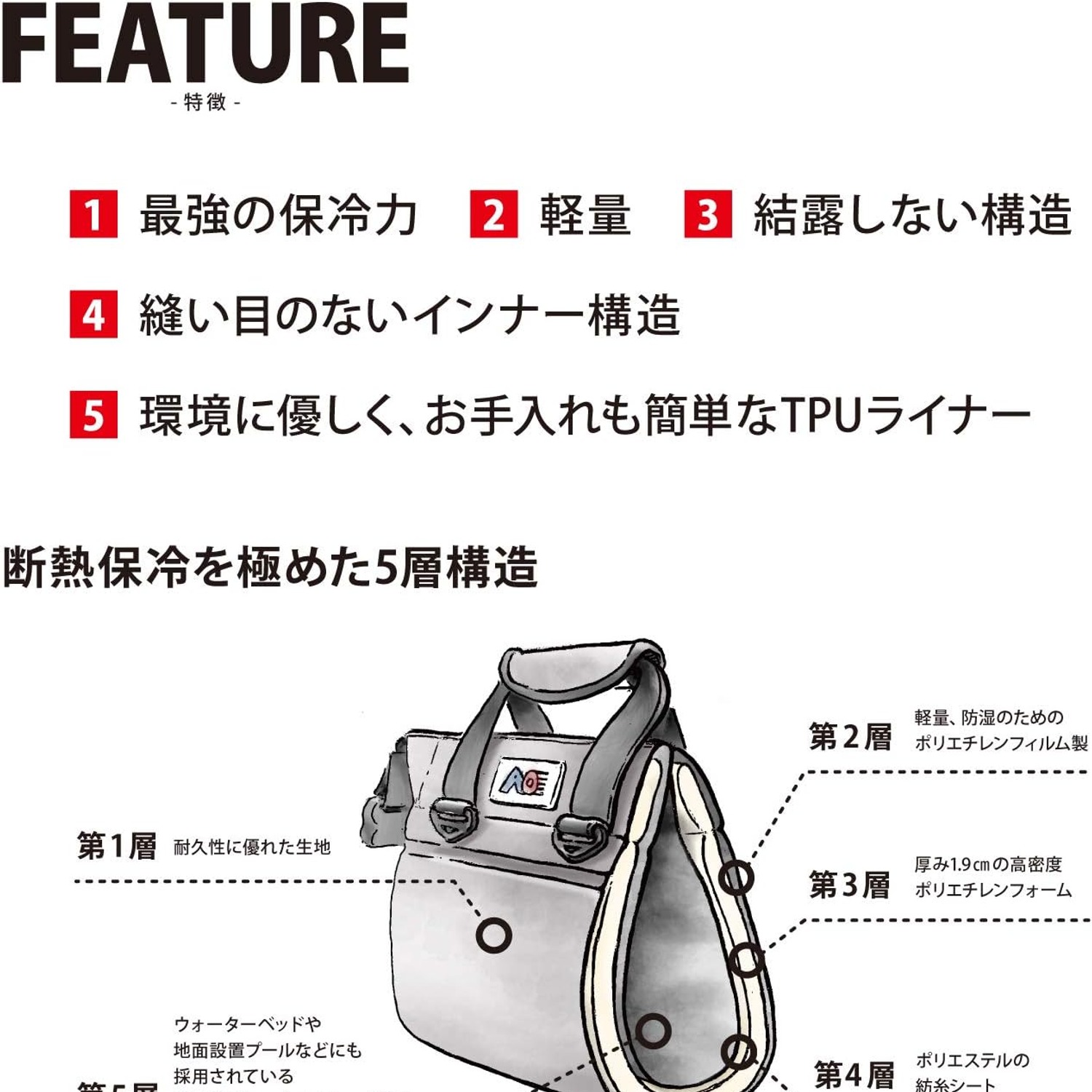
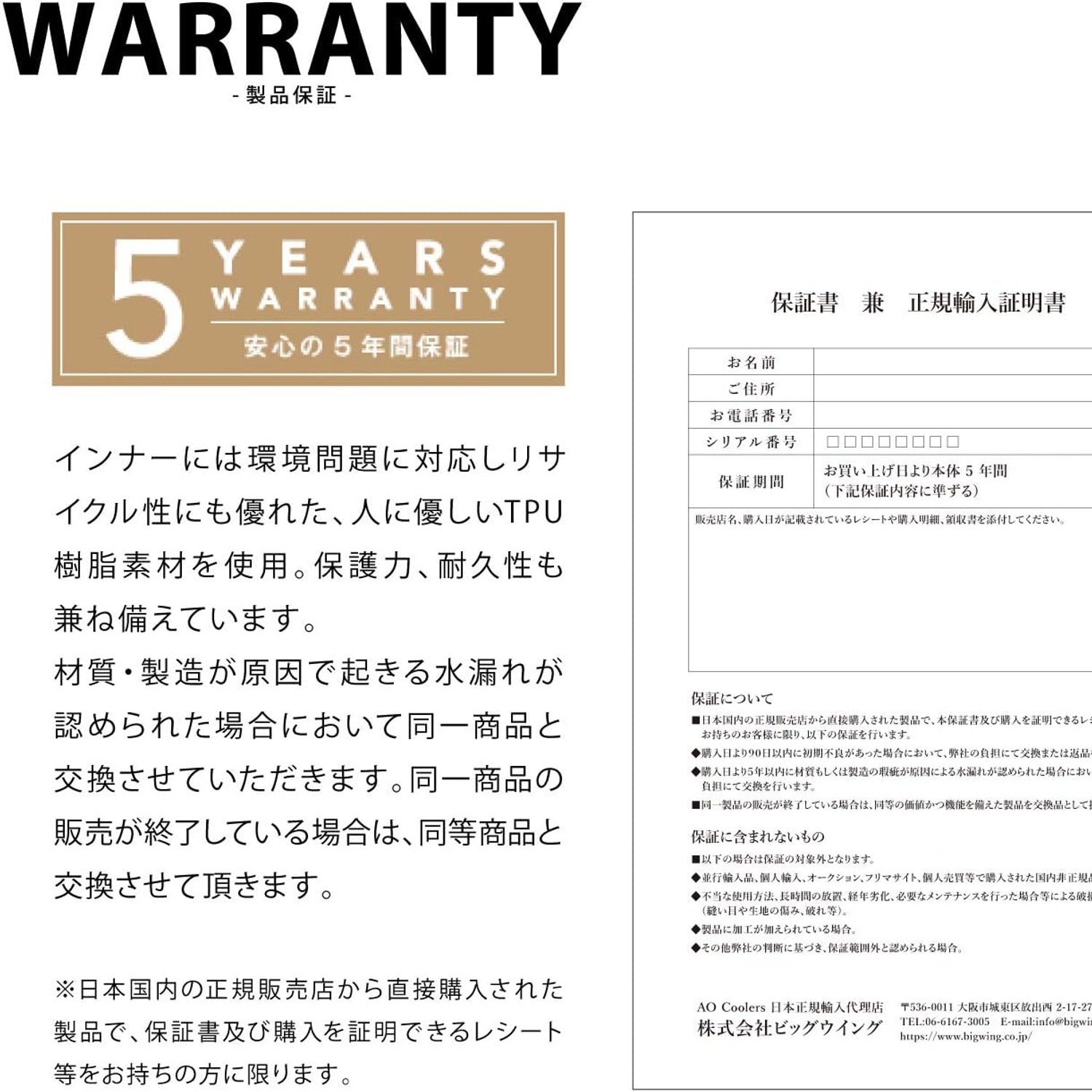
A proper soft cooler is built differently. The insulation is thicker and denser, the inner chamber is a sealed liner rather than stitched fabric, and the whole thing is designed around keeping a volume of cold air from mixing with the warm air outside. The AO Coolers Canvas Soft Cooler sits in that second category. It holds 23 litres, rated at 24 cans plus ice, and the chamber is lined with thermoplastic polyurethane rather than a thin plastic film.
How a soft cooler keeps cold in
There are three jobs going on inside any cooler, and understanding them changes how you pack.
The first job is insulation. Foam slows the transfer of heat from outside to inside. Thicker and denser foam slows it more. That is the whole trick, and it is why a cooler with a chunky wall will always beat a slim one at the same capacity.
The second job is containment. Ice does not keep things cold by magic. It absorbs heat as it melts, and that melt water is still very cold. A liner that holds the water in is doing useful work. The TPU lining here is the same broad type of material used for pool and water bed liners, so it is designed to hold water without seeping.
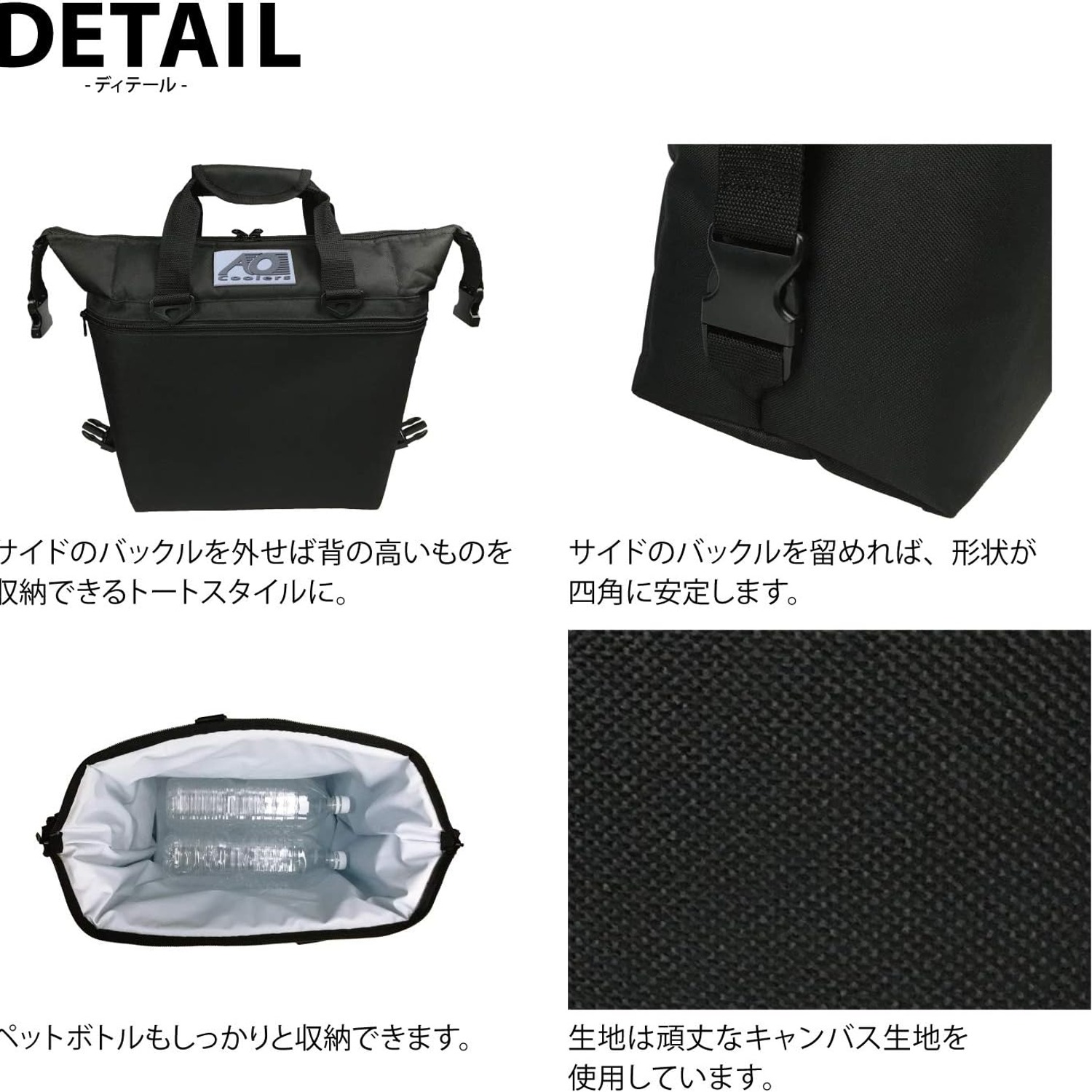
The third job is air management. Empty space inside a cooler is the enemy. Air warms up fast, and every gap you leave is a pocket of warm air sitting next to your drinks. Pack the bag full. If you do not have enough contents, fill the space with a towel or extra ice.
Open the lid as little as you can get away with. Every time it opens, the cold air falls out and warm air replaces it. That single habit makes more difference than most people realise.
Who this size suits
The 23 litre capacity is a sweet spot for a lot of situations. Twenty four cans plus ice covers an afternoon for a group of friends, a long day at a sports ground, or a family beach trip with drinks, fruit and a few containers of food.
With a chamber 43 cm wide, 30 cm high and 25 cm deep, you can stand bottles up rather than laying them down, which is a small detail that saves a lot of rearranging. Lay a couple of flat food containers across the bottom, stack cans on top, pour ice over the lot, and you are done.
It is not a four day remote camping cooler. If you are heading somewhere with no shops for a week, you want a large rigid unit as your base and something like this as the day bag you actually carry around. That pairing works well. The big one stays in the vehicle and stays closed, and the soft cooler takes what you need for the next few hours.
For fishing, this size is comfortable to carry down to a jetty or along a bank. For picnics, it is about as much as one person wants to carry with one hand while also holding a rug and a kid. For a car trunk, it fits without dominating the space.
Weight, and why it matters more than people think
The listed item weight is 225 grams. Empty, it weighs almost nothing. That sounds like a small point until you add up what goes inside.
Twenty four cans is roughly eight kilograms. Add a few kilos of ice and you are carrying something substantial. Every gram of cooler weight is a gram you are also carrying, so starting light genuinely helps. This is where a lightweight camping cooler beats a hard box of the same volume, which may weigh several kilos before you put anything in it.
The other weight benefit shows up at the end of the day. An empty soft cooler is trivial to carry back to the car, and it folds down to a fraction of its loaded size for the drive home.
Choosing between soft and hard
People ask this a lot, and the honest answer is that they do different jobs.
Choose a hard cooler when you need maximum ice retention over multiple days, when it will be knocked about in a ute tray or a boat, or when you want something that doubles as a bench. They are tougher and they hold cold longer, but they are heavy, bulky, and they take up the same room empty as they do full.
Choose a soft cooler when portability and storage matter. It carries more easily, fits into odd spaces in the car, and collapses flat at home. For day trips, that is nearly always the better trade. A lot of households end up owning both and using the soft one four times as often.
If you only buy one, think honestly about how you actually spend your weekends. Most people are doing day outings, not week-long expeditions.
Packing it properly
Pre-chill the bag. An hour before you leave, drop in a bag of ice or a couple of frozen packs and zip it shut. Tip that out and pack for real. You are cooling the foam itself, which otherwise spends the first hour stealing cold from your drinks.
Chill the contents first too. Putting room temperature cans into a cooler means the ice spends its energy cooling them down instead of keeping them cold. Fridge-cold cans into a pre-chilled bag is a completely different result.
Use block ice as well as cubes if you can. Blocks melt slower because there is less surface area. Cubes fill the gaps around your contents. Together they do a better job than either alone.
Pack heavy and cold at the bottom, lighter items on top. Keep anything you will reach for often near the lid so you are not rummaging with the bag wide open.
Looking after it
Care is simple, and doing it keeps the bag usable for years.
Drain and empty it the same day you use it. Wipe the lining with warm water and mild detergent, rinse, and wipe again. Then leave it open somewhere airy until it is fully dry inside. Damp foam left zipped shut is how coolers start to smell.
Do not machine wash it and do not tumble dry it. Avoid bleach and solvent cleaners on the canvas or the lining. If a smell does develop, a wipe with warm water and bicarbonate of soda usually sorts it, followed by a proper dry.
Store it unzipped in a dry cupboard. Do not stack heavy gear on top of it, since compressing the insulation for months on end is not kind to it.
The short version
If you want a cooler bag that holds a real amount of drinks, carries easily and disappears into a cupboard when the season ends, a 23 litre soft cooler is a sensible choice. This one is rated at 24 cans plus ice, weighs 225 grams empty, uses a thermoplastic polyurethane lined chamber, and comes in a plain sand taupe.
Pre-chill it, pack it full, keep the lid shut and dry it out afterwards. Do those four things and almost any decent cooler performs better than people expect. Do them with a well-insulated bag and you get the kind of day where the last drink is as cold as the first.