
The complete guide
Wheeled Cooler Buyer's Guide, How To Pick A Cooler You Will Actually Use
The problem with a cooler you have to carry
Everyone has owned one. A big plastic box with two side handles, loaded with ice and drinks, that becomes a two person job the moment it is full. It gets carried to the car, then dragged out again, then left near the boot because nobody wants to lug it the last hundred metres to the picnic spot. Over a season it goes from being useful gear to being the thing you leave at home.
Weight is the whole issue. Water is heavy. Add 26 litres of drinks and ice and you are hauling a real load, usually across grass, gravel or sand, usually with a chair under your other arm. A wheeled cooler fixes that by changing the job from lifting to pulling. You still have the same weight, but your legs do the work instead of your back and fingers.
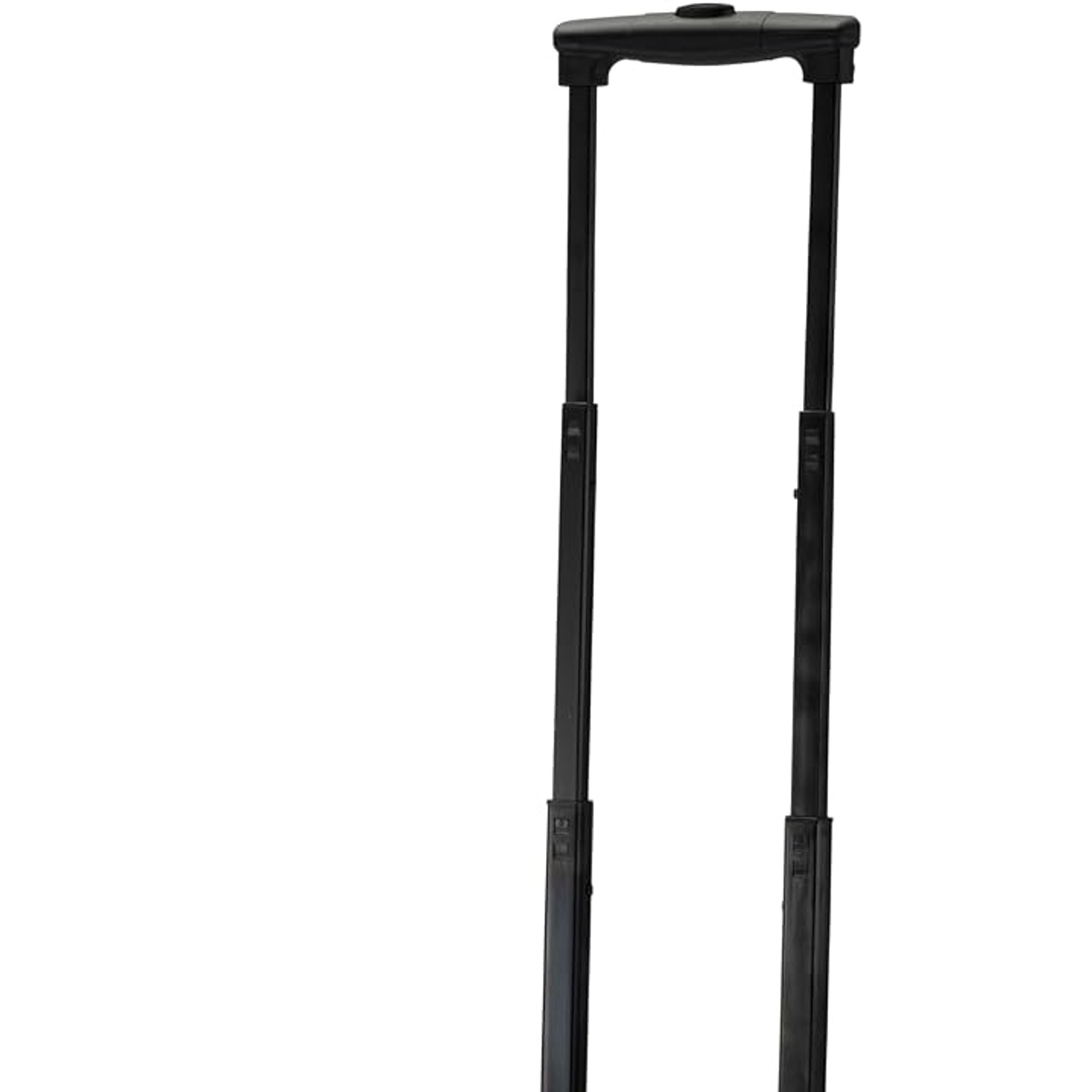
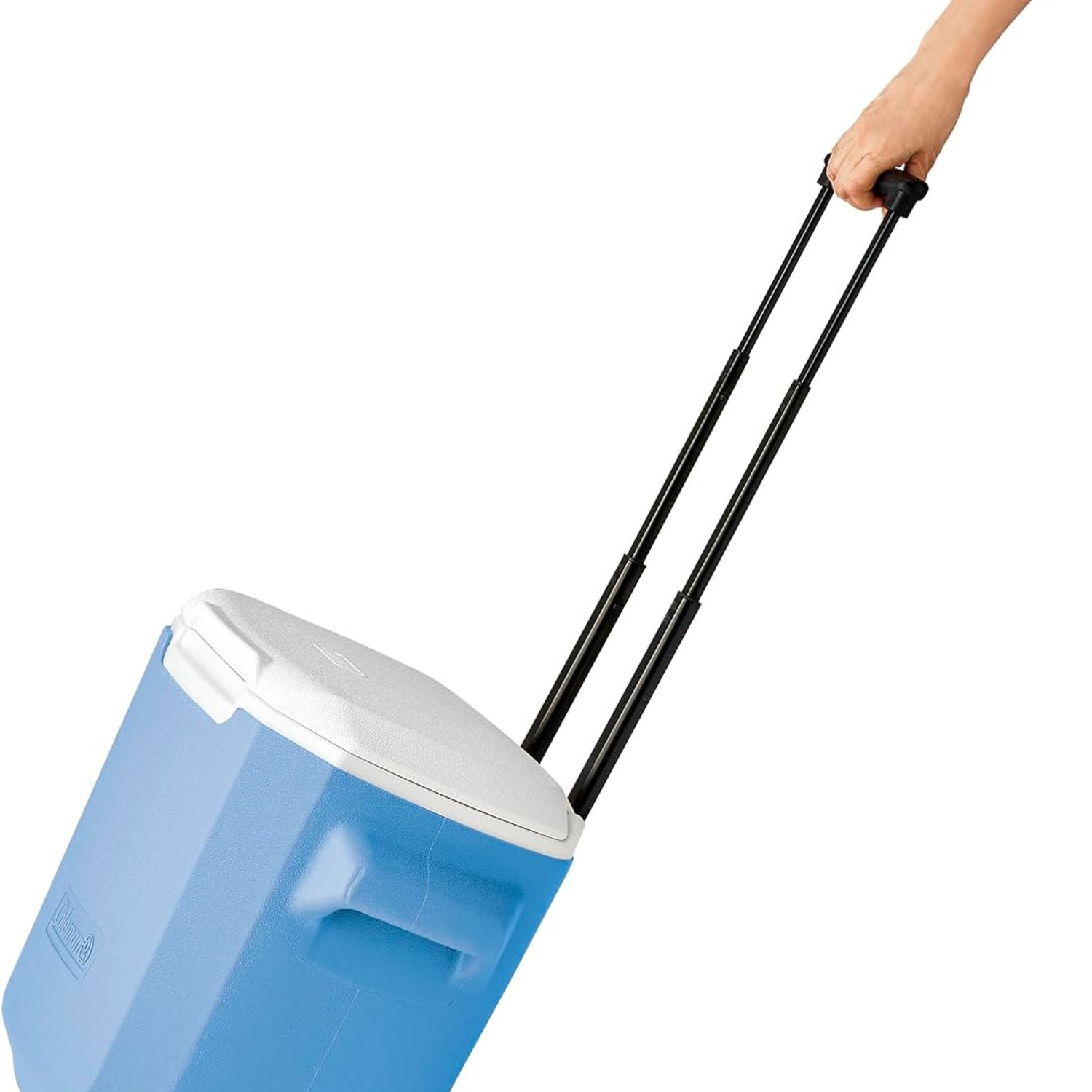
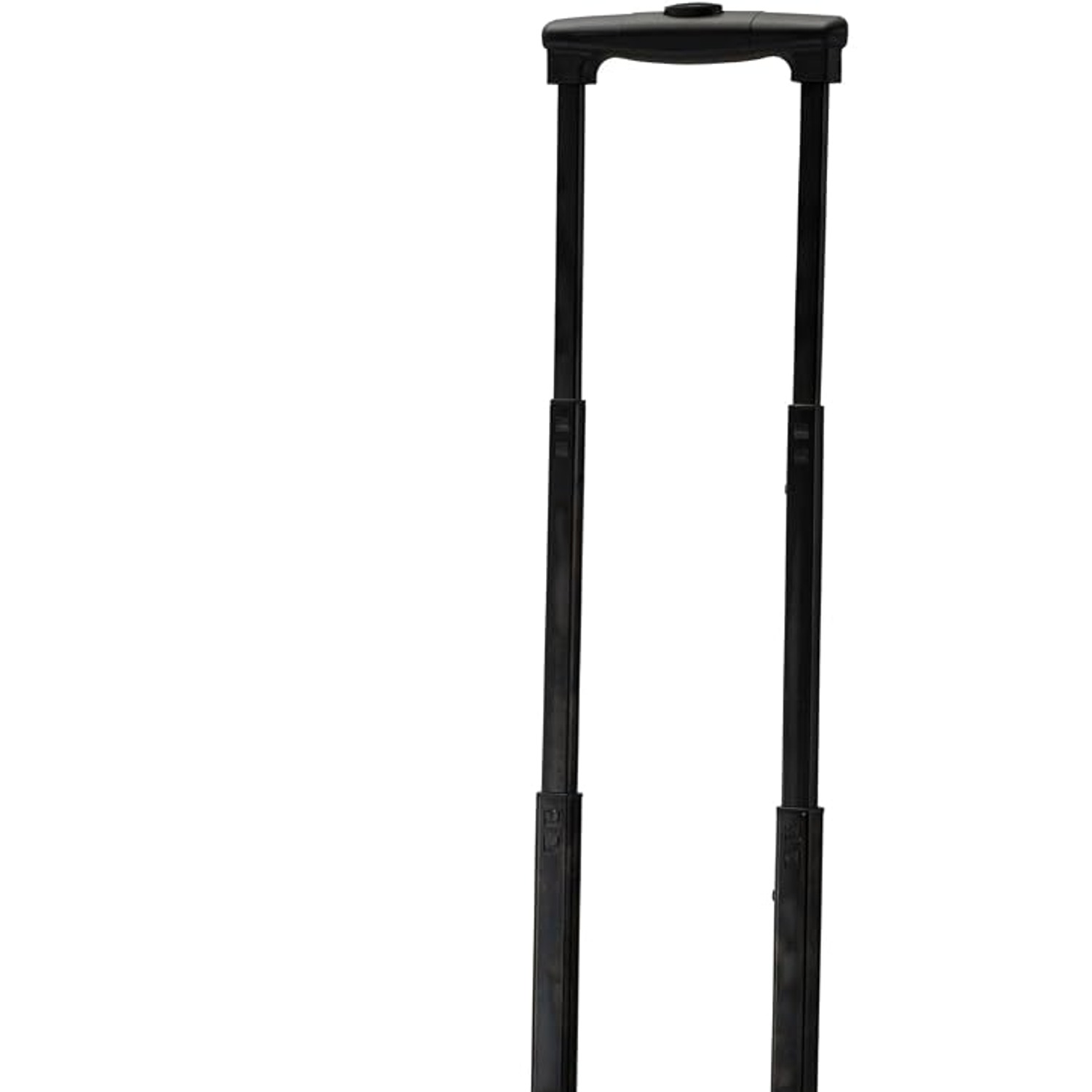
That is what this Coleman cooler is built around. It has wheels and a telescoping handle, so you extend the handle, tip it slightly and walk. When you get there, the handle pushes back down so the cooler sits flat and out of the way.
How a hard cooler actually keeps things cold
A cooler does not make anything cold. It only slows down how fast heat gets in. That sounds obvious, but it explains almost every mistake people make with coolers.
The walls here are polyethylene with polyethylene insulation, which is the standard build for a hard sided cooler. Thick plastic walls with insulation between them give heat a slow path to travel. Coleman rates this one at around two days of cold retention when used properly, and the phrase "used properly" is doing a lot of work.
Three habits matter most. First, start cold. A cooler that has been sitting in a hot garage spends its first few hours just cooling its own walls, and that energy comes straight out of your ice. Bring it inside the night before, or throw in a cheap bag of ice an hour early and tip the water out before you pack.
Second, fill it. Air is the enemy. Empty space in a cooler warms up fast and then warms everything around it. A full cooler holds temperature far better than a half empty one, so if you are short on contents, add more ice rather than leaving gaps.
Third, keep the lid shut. Every time the lid opens, cold air falls out and warm air pours in. On a hot day, ten quick openings costs more than you would think. Pack the drinks people grab most near the top, so nobody has to rummage.
Why the depth matters more than the number
Capacity numbers only tell you part of the story. Two coolers can both say 26 litres and behave completely differently depending on their shape.
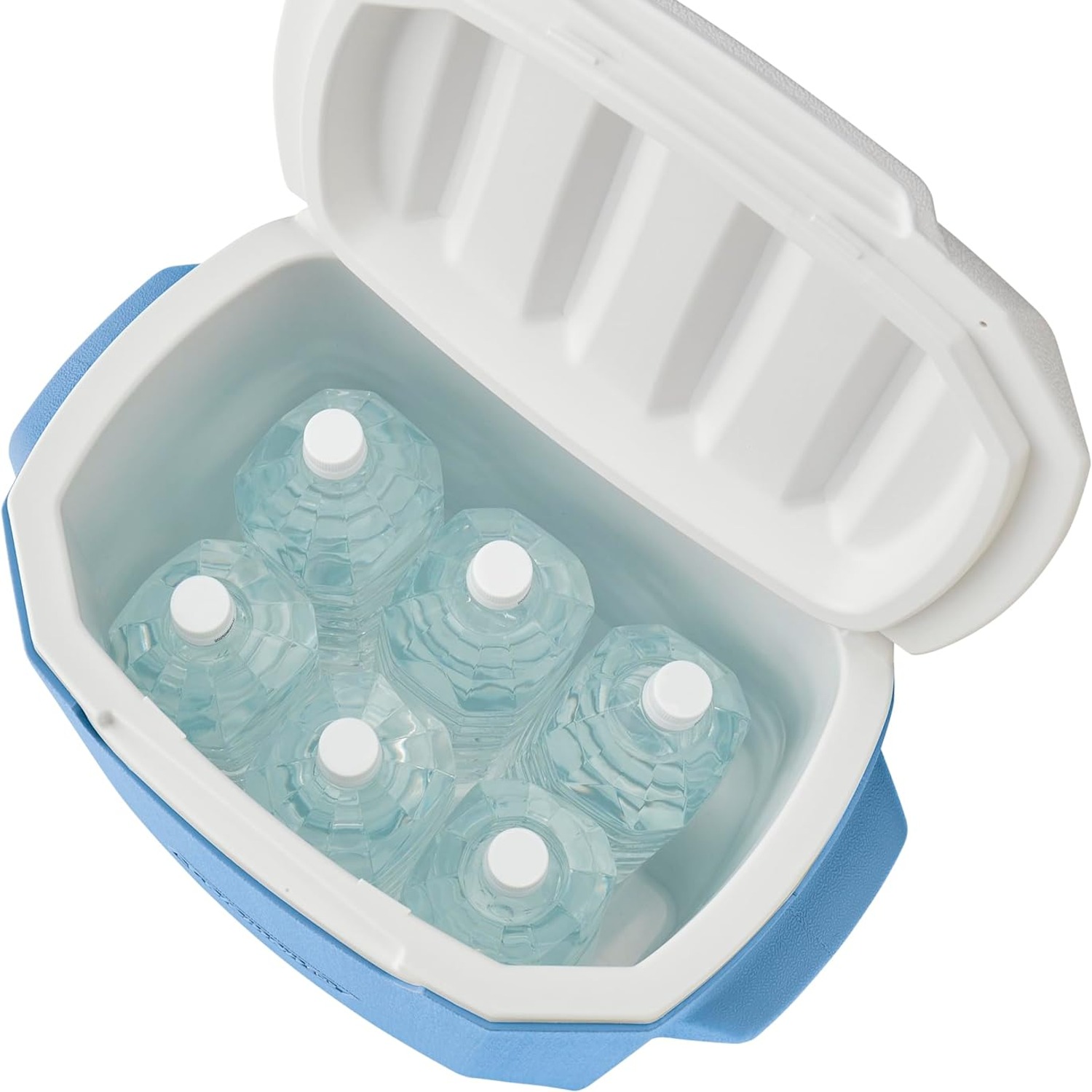
This one has a chamber depth of 14 inches. That is deep enough for 2 litre bottles to stand upright, and Coleman lists six of them as a fit. Standing bottles up is a genuine advantage. Lying down, large bottles roll every time the cooler moves, press against the lid, and sometimes weep around the cap. They also waste the vertical space, because you cannot stack much on top of a row of rolling cylinders.
Stand them up and the layout works. Bottles down the sides, ice packed into the gaps, and a flat top layer for food and smaller items. If you are looking at the best 26 litre cooler for drinks rather than food, chamber depth is the spec to check first.
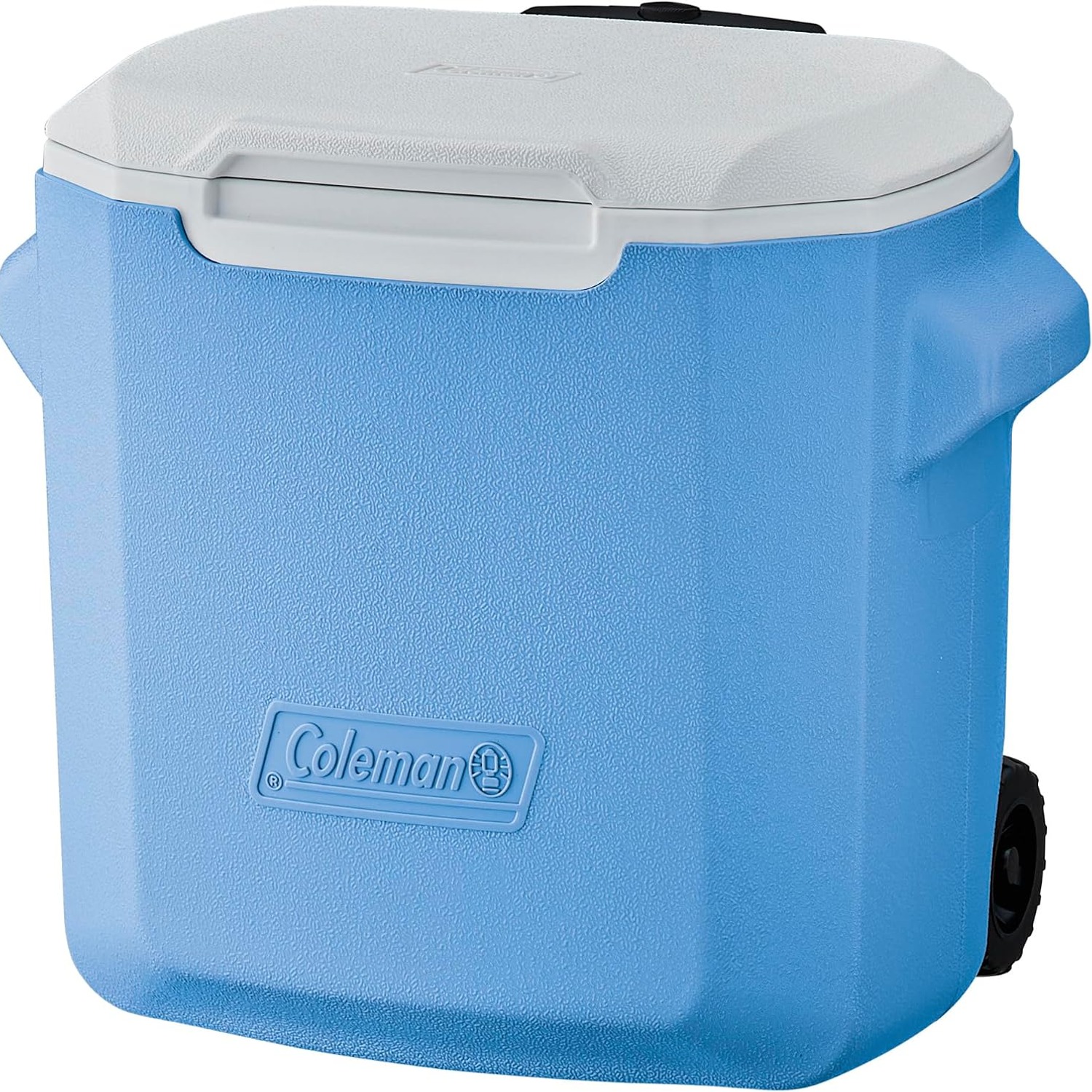
The outside measures 42 cm deep by 34 cm wide by 42 cm high with the handle down. That is a tidy footprint. It fits in most car boots next to bags and chairs, and it stands in a garage corner without claiming a whole shelf.
Who this size suits
Twenty six litres sits in a useful middle ground. It is bigger than a lunch cooler and smaller than the big camp boxes that need two people and a trailer.
It suits a couple or a small family on a weekend trip. It suits a sports parent who needs cold drinks on a sideline for a whole Saturday. It suits beach days, fishing mornings and picnics where you only need one meal and plenty of drinks. Coleman lists camping, picnics, beach trips, club activities and sports competitions as the intended uses, which matches that profile well.
Where it starts to stretch is a big group camping for several days. In that case, two coolers usually beats one huge one. Run a drinks cooler that people open constantly and a food cooler that stays shut, and the food stays cold far longer. A pair of medium coolers is also easier to lift into a car than one enormous one.
If you only ever pack a couple of sandwiches and two drinks, this is more cooler than you need. A soft bag would do. The wheels and hard shell earn their place when you are moving real weight over real distance.
How to choose between coolers
Start with the trip, not the product. Ask how many people, how many days and how far from the car. Those three answers tell you the size and whether you need wheels at all.
Then look at the ground you cross. Hard paths and short grass are easy for any wheeled cooler. Loose sand is harder work, and stairs mean you are carrying it regardless. If every trip of yours involves a flight of steps, wheels matter less than handles.
Check the handle style next. A telescoping handle that collapses flat is better for storage than a fixed tow bar, because the cooler takes up less room when it is parked. Here the handle pushes down out of the way, which is exactly what you want in a crowded boot.
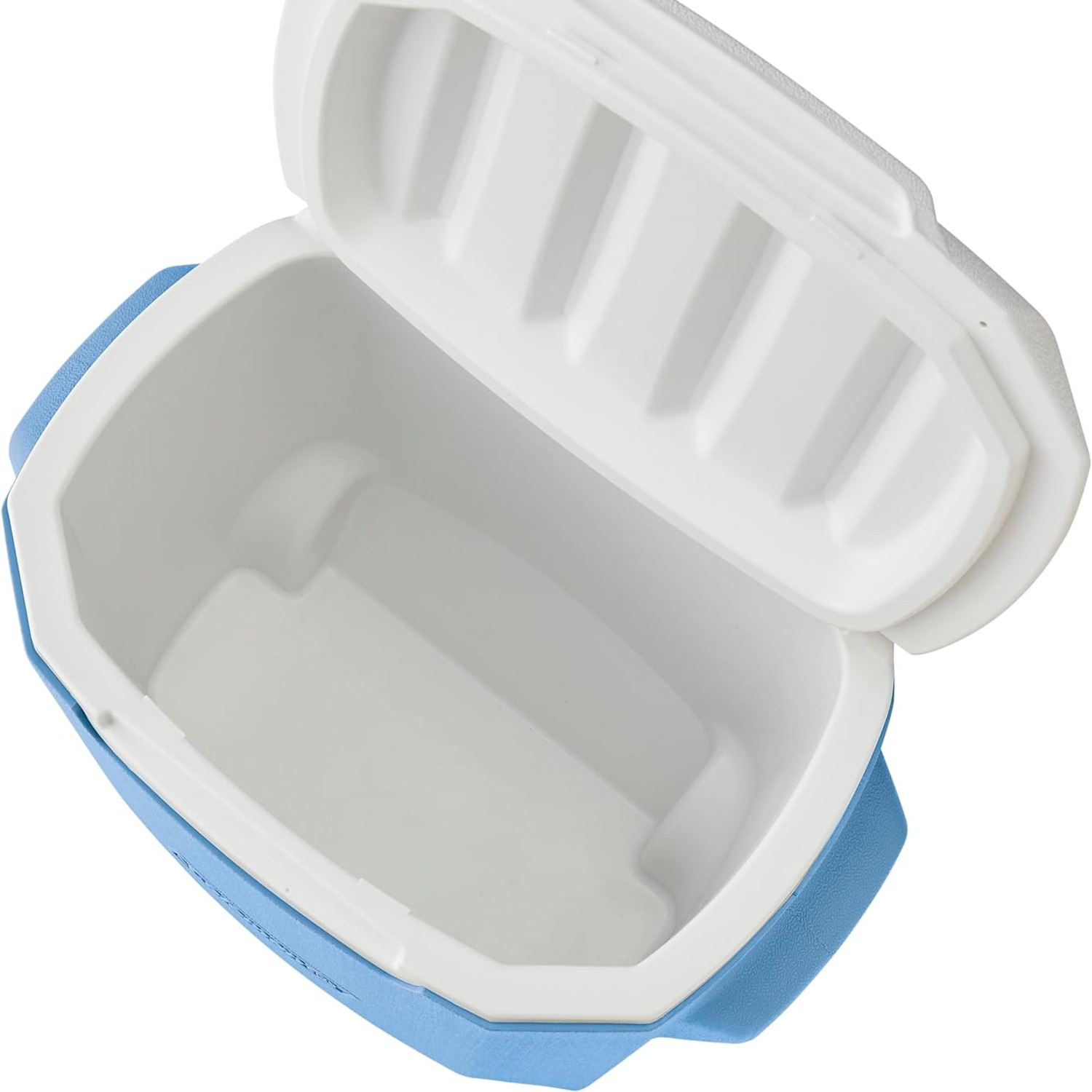
Finally, think about cleaning. A smooth plastic interior wipes out in a couple of minutes. Coleman suggests putting contents in a bag or container before use, which keeps crumbs and leaked juice from settling into corners. That small habit saves a lot of scrubbing later.
Looking after it
Care here is simple, and it is mostly about drying. Empty the cooler as soon as you get home, including any meltwater sitting in the base. Wipe the interior and the lid seal with warm water and a bit of mild dish soap, rinse, and then leave the lid propped open until every surface is dry.
Skip bleach, solvents and abrasive pads. They can dull and scratch the plastic, and scratches give smells somewhere to hide. Mild soap and patience work better.
Store it out of direct sunlight with the lid open a crack. A closed, damp cooler in a warm garage is how you get that stale smell that never quite leaves. Air moving through solves the problem before it starts.
Give the wheels and handle a look now and then. Grit works its way into moving parts, and a quick rinse after a beach or gravel trip keeps everything rolling. Salt water especially should be washed off rather than left to dry on.
The short version
This is a 26 litre Coleman hard cooler with wheels, a telescoping handle and a 14 inch deep chamber that takes six 2 litre bottles upright. Coleman rates it at about two days of cold retention when packed and used properly, and the polyethylene shell and insulation are built for normal outdoor knocks.
It is a good fit for weekend camping, picnics, beach days and long afternoons at the sports ground, particularly if the walk from the car is the part you have been dreading. Pre chill it, pack it full, keep the lid shut, and dry it out afterwards. Do those four things and it will see you through a lot of summers.