

The complete guide
Choosing a Lightweight Backpacking Tent That Earns Its Place in Your Pack
The problem with carrying the wrong tent
Almost everyone starts camping with a tent that was never designed to be carried anywhere. It lives in the shed, it comes out twice a year, and it goes from the car trunk to a patch of grass twenty metres away. That is fine. Those tents are roomy and cheap, and for a weekend by the car they do the job.
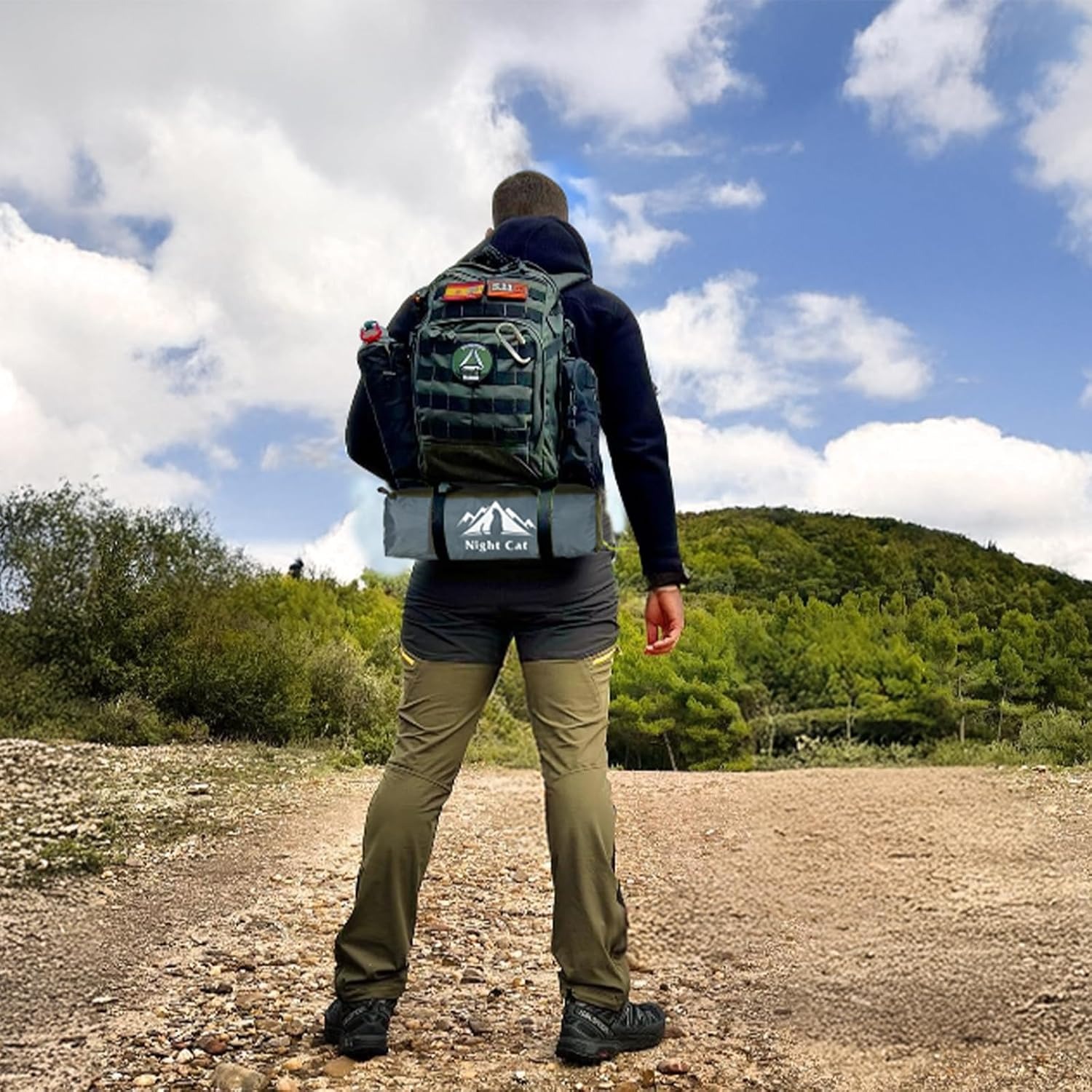
Then you decide to walk somewhere. Maybe it is a hut to hut route, a coastal track, or just a site that cars cannot reach. You strap the family dome to your pack and discover that five kilograms of polyester and steel changes a pleasant walk into a slog. By the second hour you are thinking about the tent instead of the view.
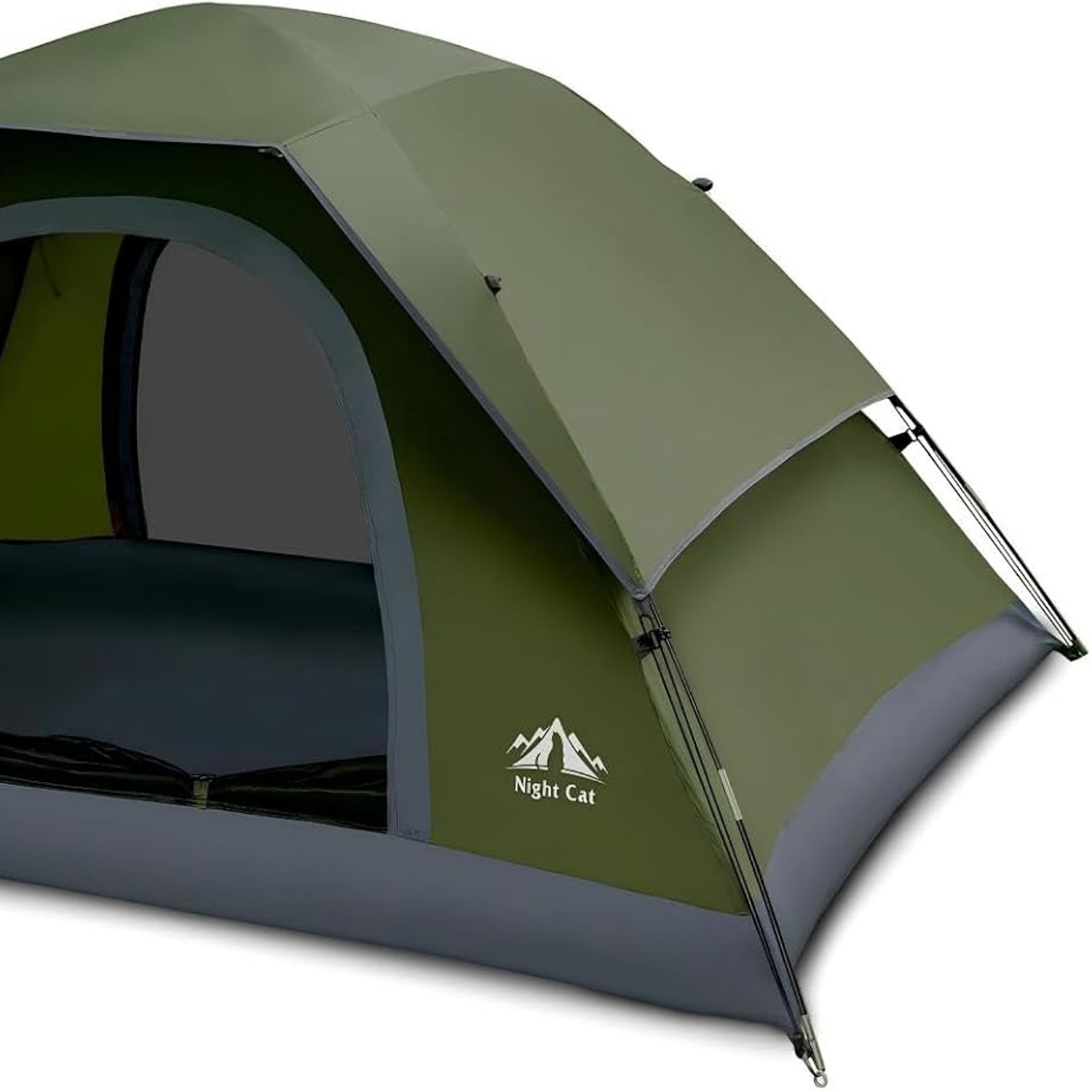
The fix is not complicated. It is picking a shelter built around the idea that someone has to carry it. That means a lower weight, a smaller packed size, poles that go up fast, and a waterproof rating that holds through a wet night. This Night Cat dome is built on exactly that brief, and it is worth understanding what each of those numbers actually means before you spend money.
What the weight figure really tells you
At 2.45 kg, this tent sits in a useful middle ground. It is not an ultralight shelter that costs four times as much and needs trekking poles to stand up. It is also nowhere near the weight of a car camping dome. For most walkers carrying food, water, a sleeping bag and a mat, 2.45 kg of shelter is an amount you stop noticing after the first kilometre.
Pay attention to the phrase minimum trail weight, which is also listed at 2.45 kg here. That tells you the figure includes the parts you genuinely need to pitch the thing, rather than a stripped back number that ignores stakes and guylines. Some brands quote a flattering weight that leaves out half the kit. Here, what you read is what goes on your back.
If you are splitting the load with a walking partner, one person can carry the fly and poles while the other takes the body and stakes. That brings the per person weight to just over a kilogram, which is a comfortable share for most people.
Reading the waterproof rating
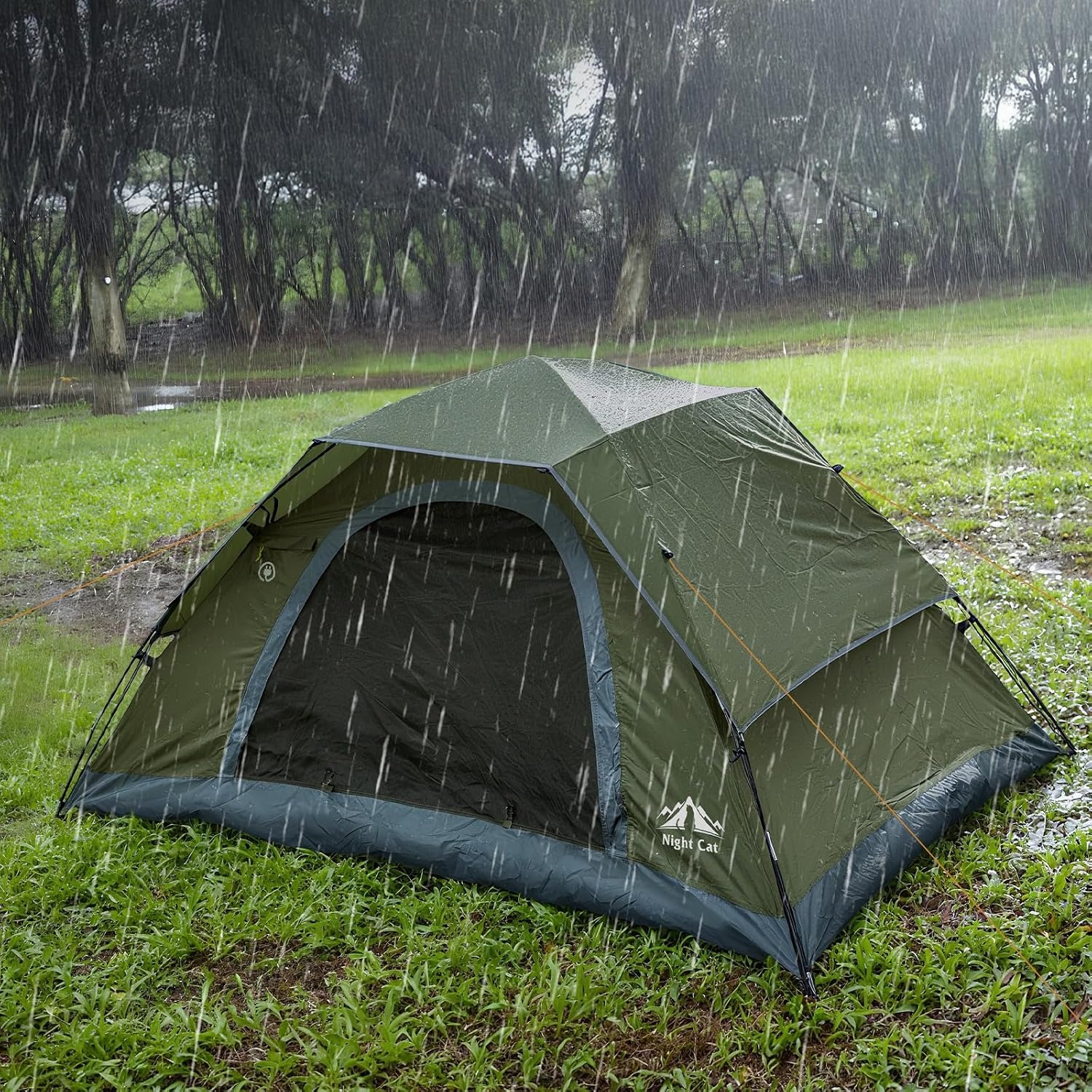
The number that matters in rain is the hydrostatic head, quoted here as 3000 mm for both the fly and the floor. It comes from a lab test where a tube of water sits on the fabric until moisture starts pushing through. Three metres of water pressure is a reasonable benchmark for a best waterproof camping tent in ordinary conditions.
For context, around 1500 mm is the usual minimum for anything claiming to be waterproof, and it will cope with a short shower. At 3000 mm you are into territory that handles sustained rain overnight. Beyond that, you get into expedition fabrics that cost a great deal more and weigh more too.
The floor deserves separate thought, and this tent handles it well. It uses 150D Oxford fabric, which is noticeably heavier than the fly. That matters because pressure drives water through fabric. A knee pressed into a wet patch of ground creates far more force than falling rain ever will, so a tougher floor is the right call. Adding a footprint underneath is still a cheap way to add years to its life.
Airflow, condensation and why two doors help
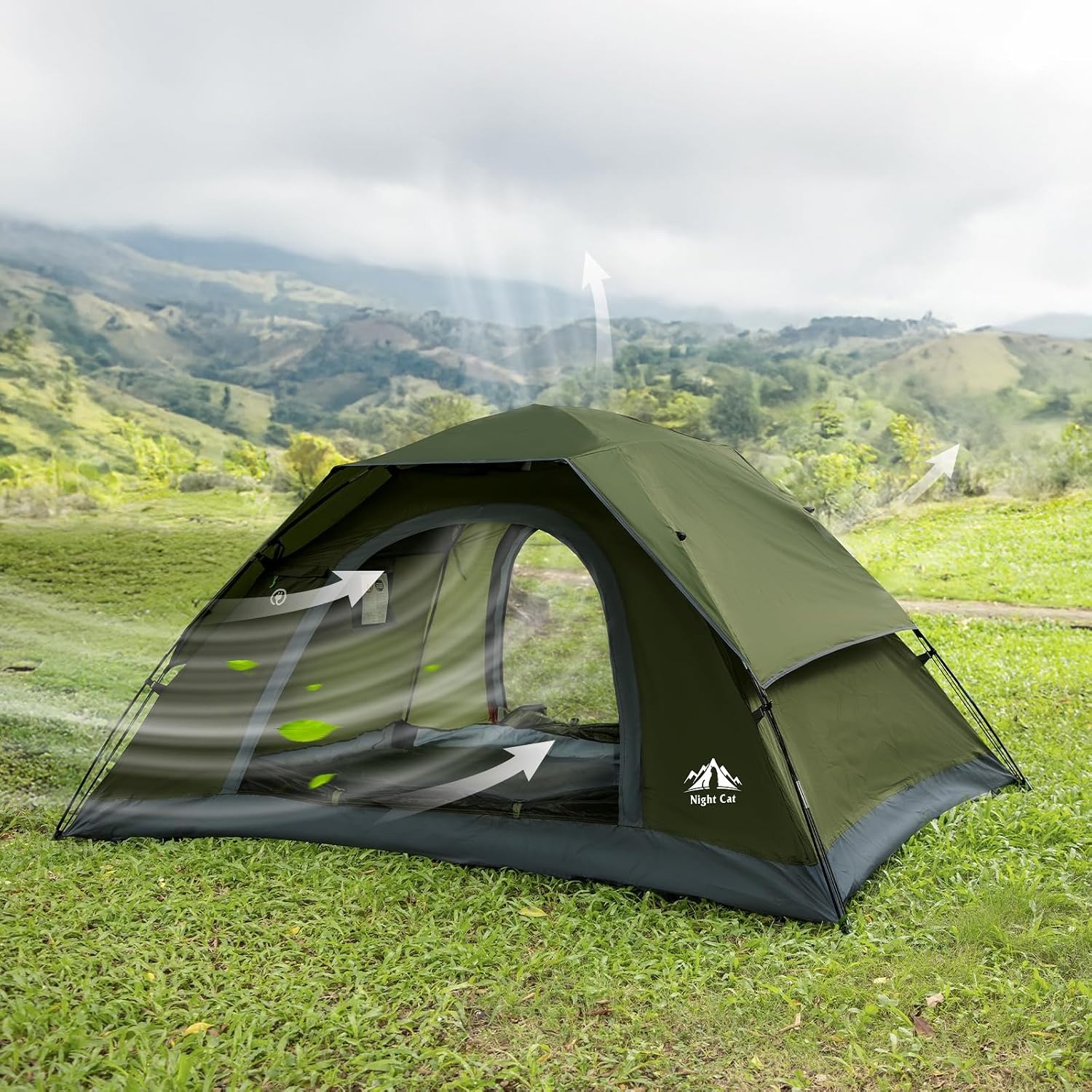
Condensation catches out more new campers than leaks do. You wake up, touch the inside of the fly, and find it damp. The natural conclusion is that the tent failed. Usually it did not. A sleeping adult breathes out a surprising volume of moisture over eight hours, and that water has to go somewhere. In a sealed tent it goes onto the coldest surface it can find.
The one and a half layer design here, combined with two zip doors, gives that moist air a way out. You can open one door partly, leave the other shut against the wind, and keep air moving gently through the night. On a mild evening, opening both turns the tent into something much more pleasant to sit in.
Two doors also solve a smaller but constant annoyance. You are not crawling over a partner, a pack or a pile of wet boots to get outside at two in the morning. For a best two door hiking tent at this size and weight, that convenience is worth more than it sounds on paper.
Setup, poles and standing up to wind
This is a freestanding tent with two fibreglass poles that clip to the body. Clips beat sleeves on almost every count for a walker. They are faster, they do not snag, and they let air circulate between the body and the fly. You can get the shape up alone, in wind, without threading anything through a narrow channel while the fabric flaps.
Freestanding means the tent holds its form before you drive a single peg. That is genuinely handy on a wooden platform, on sand, or on ground baked hard in summer. It also makes it easy to lift the pitched tent and move it half a metre when you find a rock under the floor.
You still want to peg it out properly. Ten aluminum stakes and four guylines come in the bag. In calm weather, the corners alone will do. When the forecast turns, use every guy point you have and set the low end into the prevailing wind. A two minute pitch is only an advantage if you spend one of those minutes thinking about which way the weather is coming from.
Who this tent suits
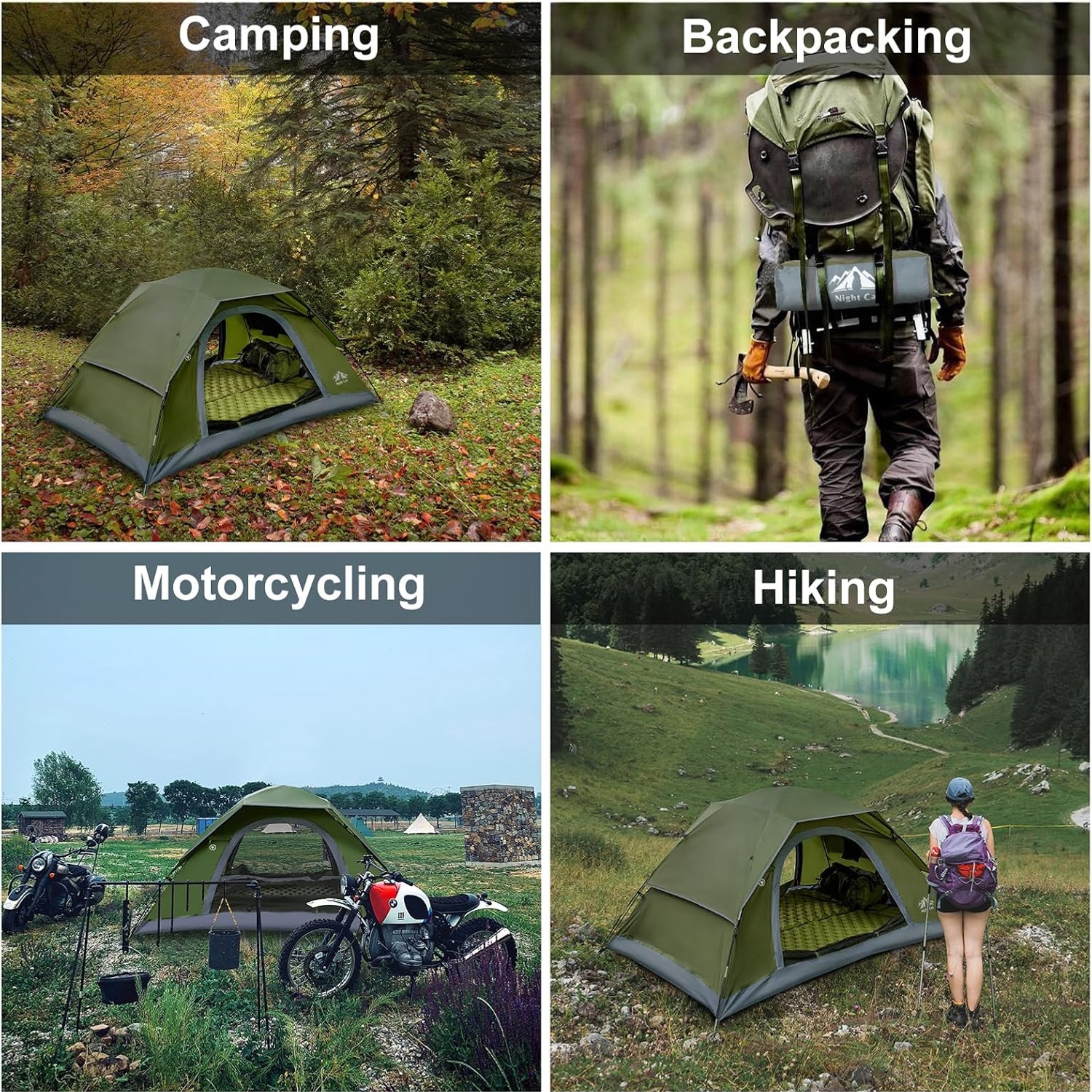
A solo walker is the obvious fit. The 220 cm by 150 cm floor gives one adult room to stretch out with a pack beside them rather than at their feet. Three square metres of floor and 110 cm of headroom means you can sit up, change clothes and sort gear without fighting the walls.
It also works well for a few other uses. Festival camping suits it, because the pack size is easy to carry across a field and the quick setup gets you to the music faster. Anglers like a small shelter they can throw up near the water. Motorcycle and bike tourers appreciate anything that compresses this small.
Who should look elsewhere? Two adults planning a long trip together will want more floor. Anyone heading into serious winter mountains needs a four season shelter with stronger poles and snow skirts. And if you only ever camp beside the car with family, a bigger dome will be more comfortable for the same money.
Looking after it
Care here is simple and the rules are worth following. Hand wash only, using cool water and a little mild soap on a sponge. Never put a tent in a washing machine or a tumble dryer, and keep bleach well away. Those treatments strip the waterproof coating faster than years of ordinary use.
Dry it fully before it goes into storage. This is the single biggest factor in how long a tent lasts. Mildew sets in within days inside a packed bag, and once the smell arrives it does not leave. If you get home late and the tent is wet, pitch it in the living room overnight rather than promising yourself you will deal with it at the weekend.
Keep grit out of the zips with a soft brush and a rinse. Check the fibreglass pole sections for splinters at the end of each season. After a couple of years of regular use, a spray on waterproofing refresh for the fly brings the beading back.
The short version
This is a 2.45 kg freestanding dome with a 3000 mm rating on both the fly and the 150D Oxford floor, two clip on fibreglass poles, two zip doors, ten aluminum stakes and four guylines. It pitches in about two minutes and gives one adult three square metres of floor with 110 cm of headroom.
If you want a compact trekking tent that handles real rain without punishing your shoulders, it does the job honestly. If you need space for two plus gear, or you are heading somewhere genuinely alpine, size up instead. For solo overnights, walk in sites, festivals and fishing trips, it is a straightforward bit of kit that gets out of the way and lets you enjoy the trip.