
The complete guide
How To Choose A Kids Sleeping Bag That Actually Keeps Them Warm
The problem with cheap kids sleeping bags
Most families discover sleeping bags the hard way. You buy something cheap for a one-night camp, your child is cold by midnight, and the next morning everyone is tired and nobody wants to go camping again. The bag gets shoved in the garage and the family writes off tent holidays.
The frustrating part is that the fix is usually small. Kids lose heat faster than adults because they have more skin surface for their body size, and they move a lot in their sleep, which pumps warm air out of a loose bag. A bag that is too big, has no hood, or sits straight on cold ground will feel thin no matter what the label says.
So the goal is not the warmest possible bag. It is a bag that fits, closes properly around the head, and gets used with a mat underneath. Get those three right and a three-season bag handles the nights most families camp on.
What this bag actually is
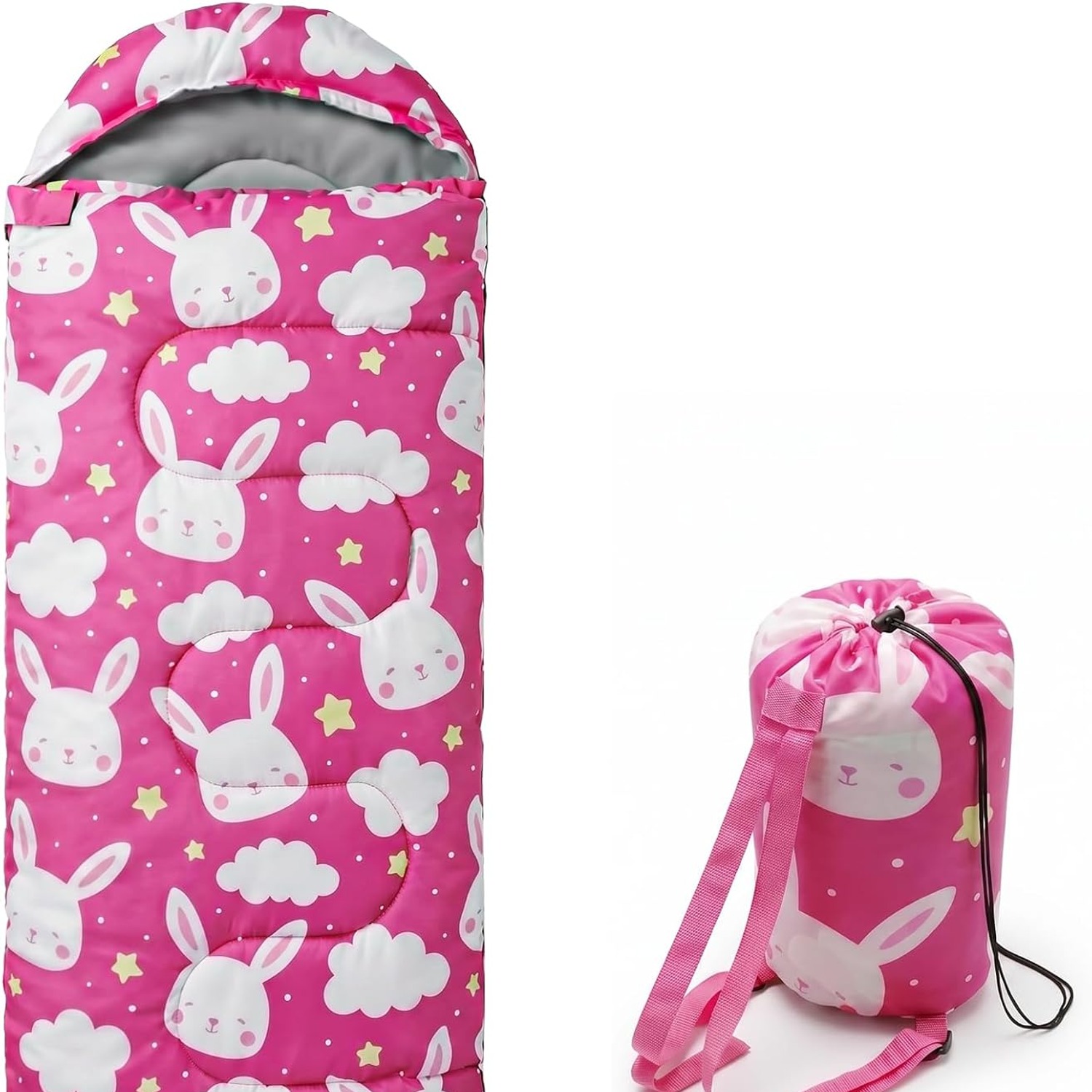
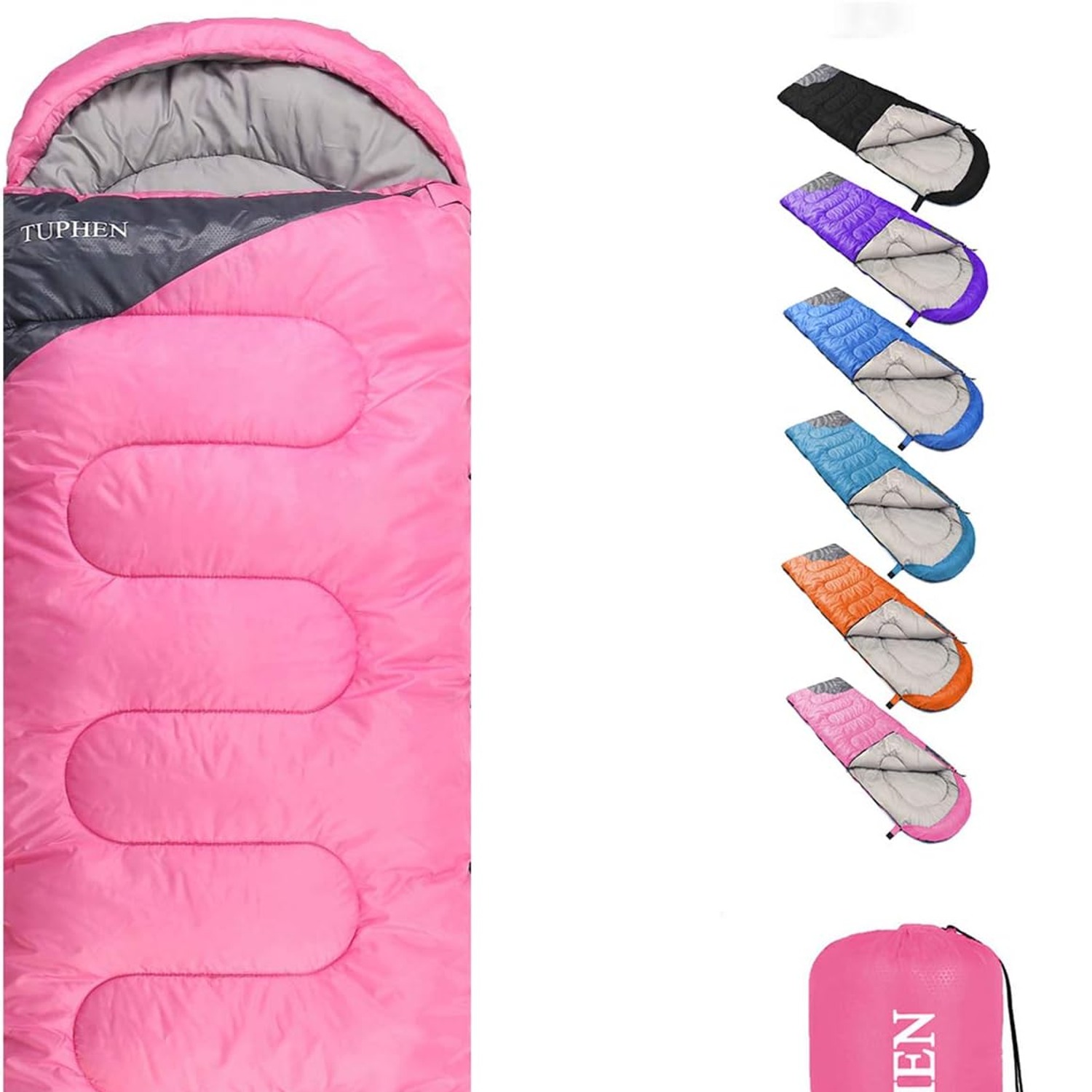
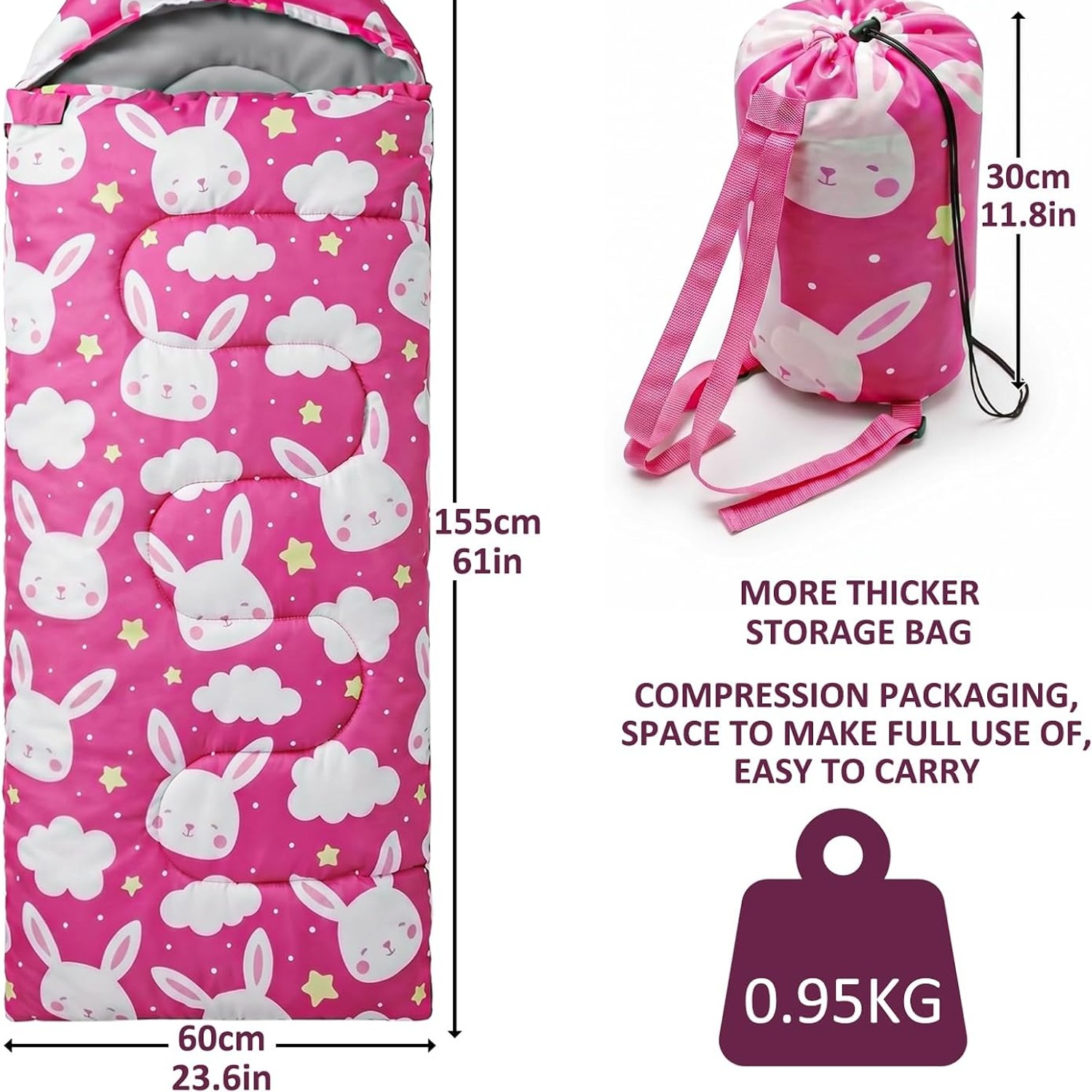
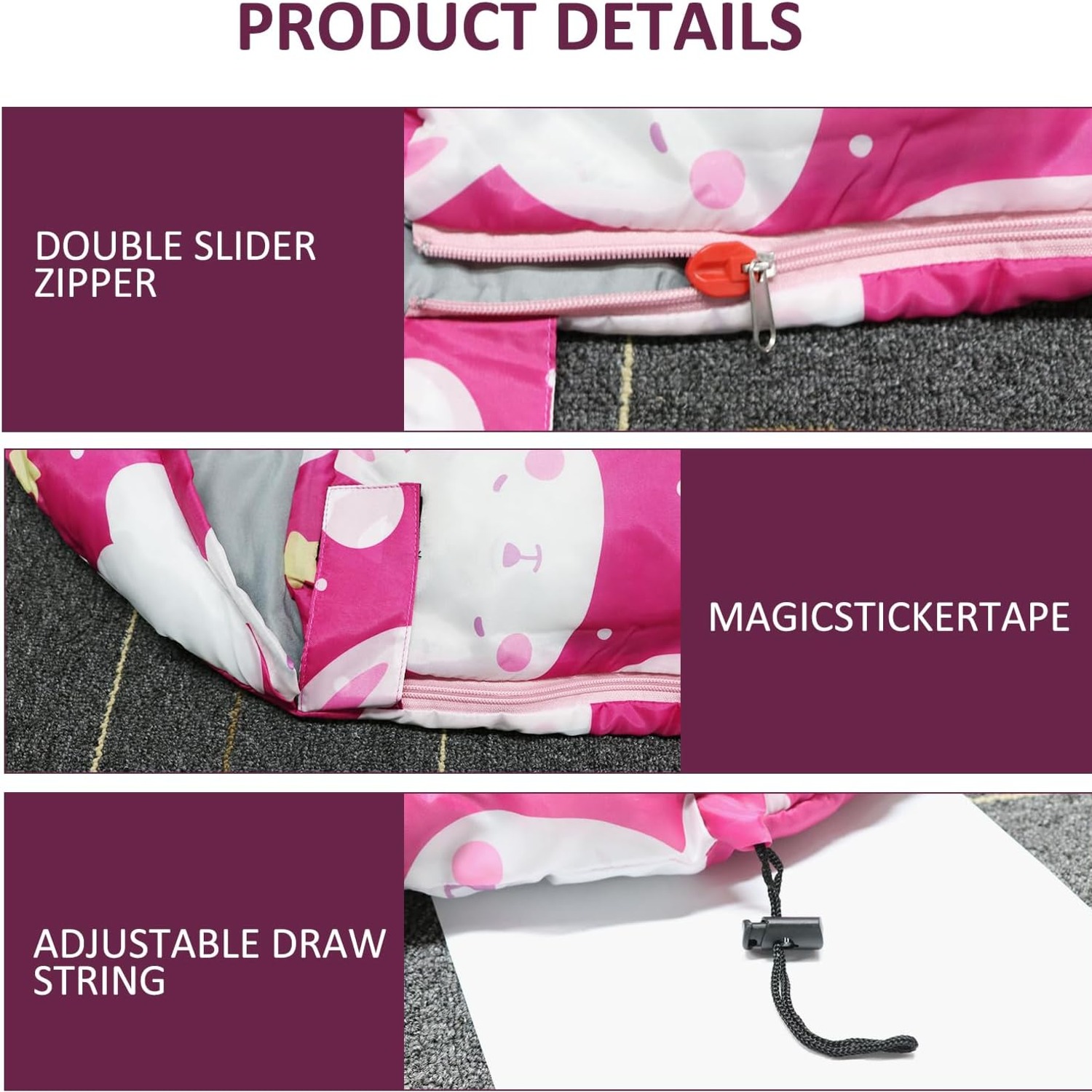
This is a single-person kids sleeping bag, 155 cm long and 60 cm wide, weighing 0.95 kg. The shell, lining and fill are polyester. It closes with a double-sided zip, has a hooded top with an adjustable drawcord, and comes with a carry bag.
It is rated for three seasons, meaning spring, summer and autumn. That is not marketing shorthand for "warm in anything". It means the bag is built for mild to cool nights, not frost.
The maximum recommended height is 155 cm. That is the single most important number on the page. A child who has outgrown the length will push their feet into the closed end, flatten the fill there, and get cold toes regardless of how good the rest of the bag is.
Fit matters more than the number on the tag
With adult bags people obsess over temperature ratings. With children, fit does more work.
A bag that is far too long leaves a big pocket of empty air at the bottom. Your child's body has to heat that air, and because the fill is not touching them down there it does not help. A bag that is slightly too short is worse again. The sweet spot is a bag your child nearly fills, with maybe 10 to 15 cm of room at the feet.
That is why a 155 cm bag covers such a wide age band. A seven-year-old and a twelve-year-old might both be comfortable in it, while a tall thirteen-year-old is already too big. Measure, do not guess from age.
Width matters too. At 60 cm this is a fitted shape rather than a wide rectangular bag. A narrower bag warms up faster because there is less air to heat. It also means a child who thrashes around at night is less likely to end up half out of it.
How the hood and the zip earn their keep
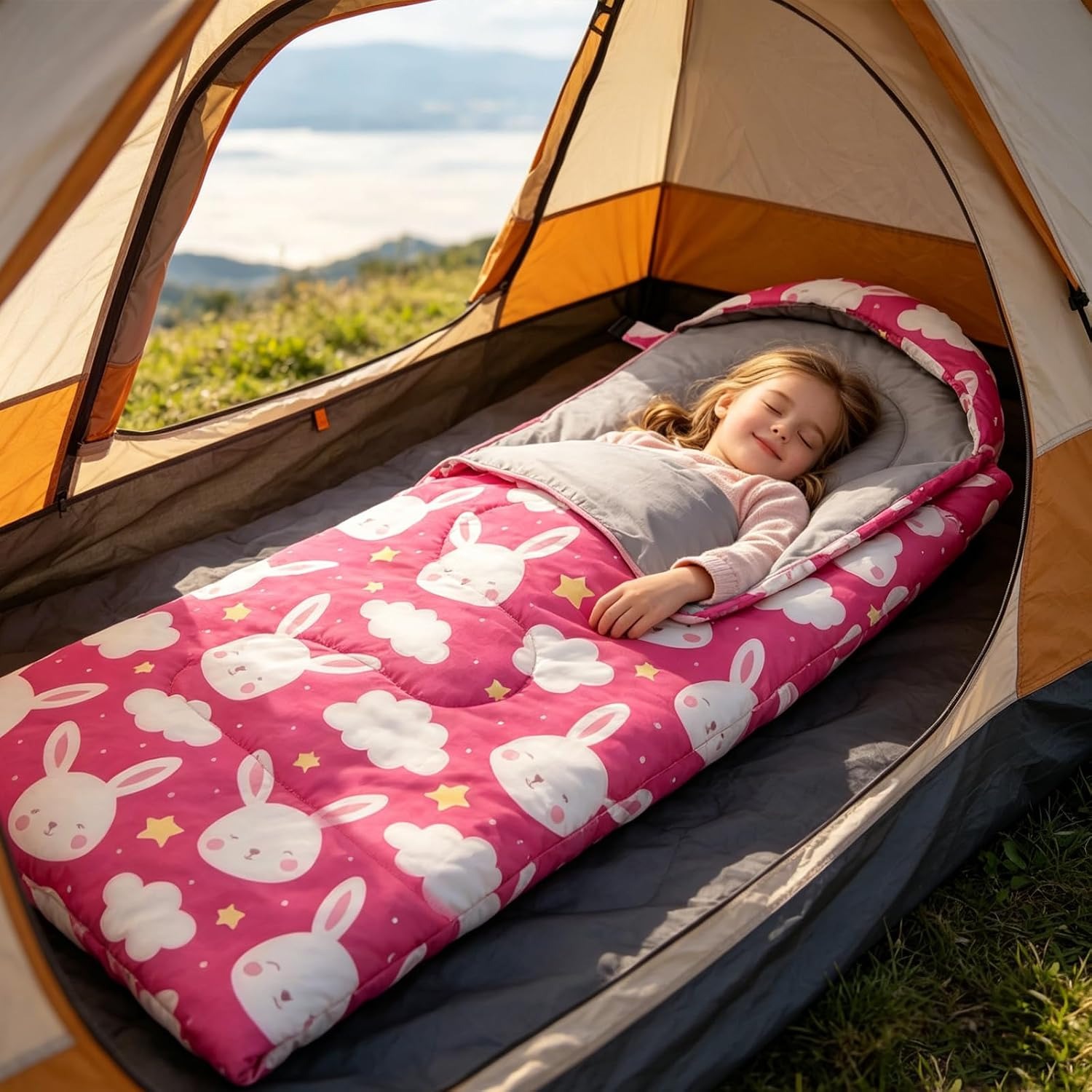
Something like a quarter of body heat goes out through the head and neck. An open-topped rectangular bag lets all of it straight out. The half-round hood here with its drawcord changes that. Your child pulls the cord, the opening closes down to just their face, and the warm air they have built up stays inside.
Show them how to use it before the trip. Plenty of kids never touch the drawcord because nobody mentioned it, and then they sleep cold with a perfectly good hood flopped behind their head.
The double-sided zip is the other practical feature. A single zip gives you two choices, open or closed. A double zip lets you unzip from the bottom, so a child who is too warm can stick their feet out and cool down without unzipping the whole bag. This is a real thing with kids. Children who overheat tend to kick the whole bag away in their sleep, then wake up genuinely cold an hour later. Venting the feet avoids that cycle.
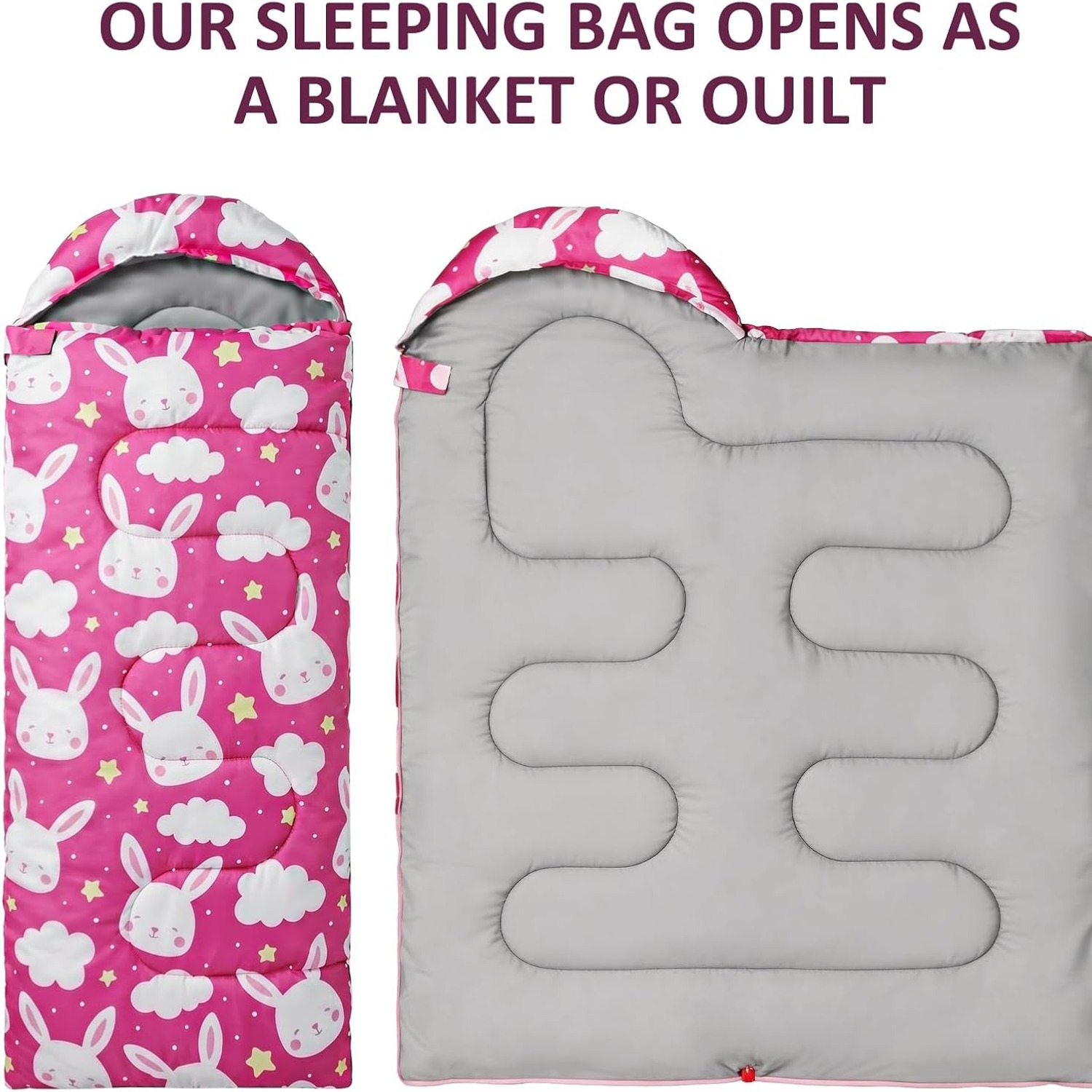
The zip also runs all the way open, which turns the bag into a flat quilt. That is handy for indoor use, lounge-room camping, long car trips and sleepovers where a bag feels like too much.
Weight, packing and the carry sack
At 0.95 kg this is light for a kids bag. That number matters for two reasons. First, if you are walking in from the car park, your child can carry their own bag, which they usually enjoy. Second, if you are the one carrying it on top of the tent, the food and everything else, saving a kilo is noticeable.
The carry sack with straps does the compressing. Show your child how to stuff it in rather than fold it neatly. Stuffing is faster, it distributes the fill differently each time (which is better for the bag long term), and it is a skill they can manage themselves at the end of a trip.
One important note. The carry sack is for transport, not storage. Keeping any synthetic bag tightly compressed for months flattens the fill and costs you warmth. Between trips, keep it loose in a cupboard or hanging in a large bag.
Who this suits
This is a good fit for families doing weekend camping in mild seasons, children heading off to scouts, guides or a school camp, and kids who do a lot of sleepovers and want their own bag. It also works as a backyard tent bag, a spare bed layer, and the thing that lives in the car trunk for unplanned overnighters at relatives.
It is not the right choice for alpine camping, snow trips or winter nights where temperatures drop hard. If that is your plan, buy a winter-rated bag instead and keep this for the warmer months.
Making it warmer when you need to
If a night turns colder than you expected, you have options before you give up on the trip.
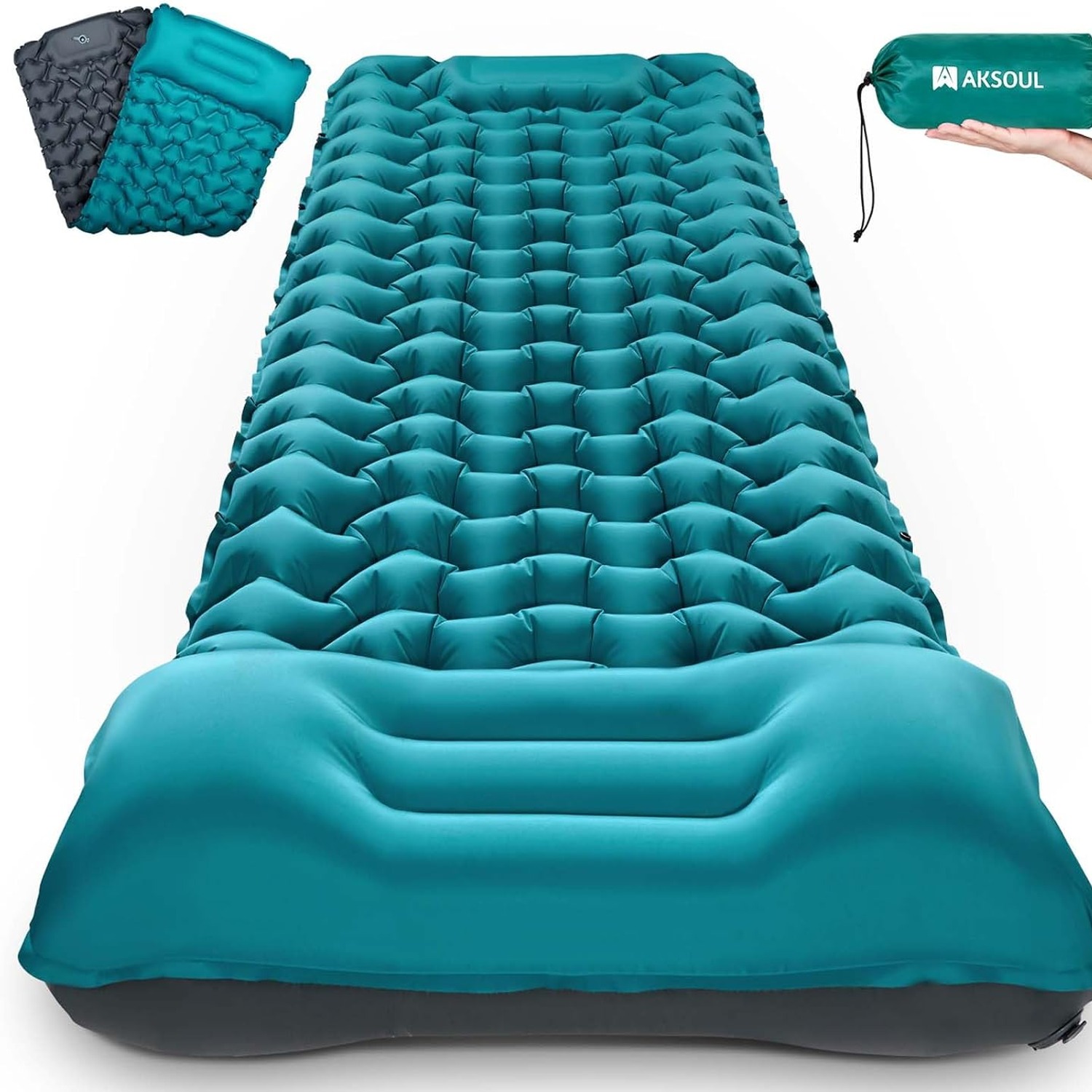
An insulated sleeping mat is the biggest single improvement. Cold ground pulls heat out of a body faster than cold air, and the fill underneath your child is squashed flat so it insulates very little. A mat fixes that.
A thin fleece or silk liner adds a layer and keeps the inside of the bag cleaner. Dry thermal sleepwear helps, and so does a beanie, which sounds fussy until you see how well it works. A hot drink before bed and a trip to the toilet right before zipping in both help more than people expect, because a full bladder makes bodies feel colder.
Avoid piling heavy blankets on top. They compress the fill and can make things worse rather than better.
Looking after it
Washing is straightforward. Zip the bag closed first so the zip teeth do not snag the fabric, use a cool gentle cycle with mild detergent, and skip the fabric softener. Hand washing works too if you would rather.
Drying is the step people rush. A polyester bag needs to be completely dry before it goes away, because any trapped damp turns into smell and can mark the lining. Air drying in the shade is safest. If you use a dryer, keep the heat low and check often.
Most of the time you will not need a full wash. Airing the bag outside for a few hours after a trip clears camping smell. Spot clean marks with a damp cloth. Washing a sleeping bag constantly wears it out faster than using it does.
The short version
Measure your child's height first and make sure they sit comfortably under the 155 cm maximum. Then plan to use this as what it is, a three-season bag for mild to cool nights, with a mat underneath and the hood actually pulled in.
Do that and you get a light, packable bag that a child can carry and manage on their own, with a zip that lets them adjust their own temperature during the night. That independence is half the reason kids end up liking camping, and a warm night is the other half.